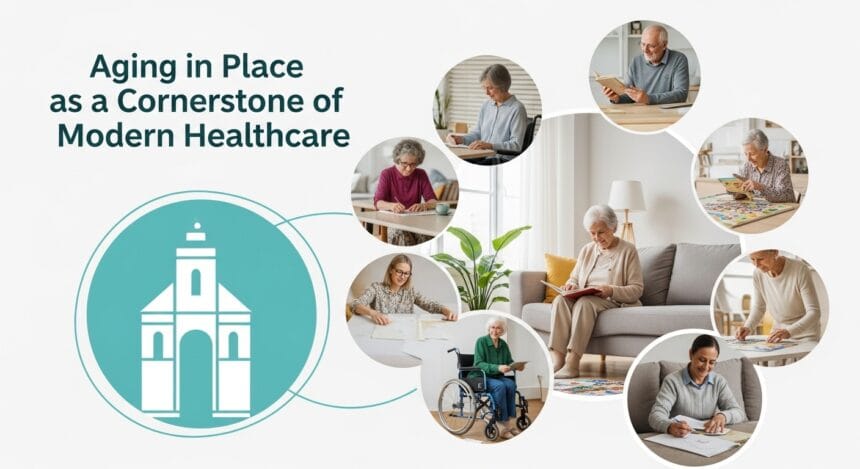
Aging in place means that you become older in your own home rather than in a hospital or nursing home. Many more are now considering this, and the healthcare system is beginning to take on this option more seriously than ever. This is changing because aging in place allows seniors to live in comfort, dignity and independence, as well as reducing the burden of health care.
As the world’s population matures, modern healthcare does not now only include hospitalization for illness. Now it is about prevention, daily support and long-term well-being. Aging in place fits right into this new paradigm.
Comfort, Safety, and Familiar Surroundings
Comfort is one of the main reasons aging in place is becoming more popular. Seniors feel safer and calmer at home. Even familiar rooms, routines, and neighbors can help to avoid stress and confusion, especially for older adults who may have difficulty remembering or moving around.
That is why home care for seniors is such an important part of modern healthcare. In lieu of moving into a hospital or care home, older adults receive support where they live. Caregivers can help with daily tasks, medication reminders, basic health screenings and personal care, all while leaving seniors in the place they love and know.
Wellness and wellness are now more important to health in the hands of health professionals. Seniors who feel at home and are well cared for are likely to be active, healthy and independent longer.
Lower Costs for Families and Healthcare Systems
Long-term care and hospital stays are costly. Aging in place can help address these costs. Seniors receiving home care have fewer emergency calls and less hospital stays.
This means less overcrowding and more resource use for healthcare systems. This means more affordable services to families. Simple home-based care is generally less costly than full time institutional care but provides good support.
This balance of cost makes aging in place a smart move for healthcare.
Technology Is Making Aging in Place Easier
A third reason why aging in place is growing is modern technology. Simple devices like health apps, wearables, and remote monitoring devices allow doctors and caregivers to monitor symptoms remotely.
These devices can check heart rate, movement, sleep and medication use. If something seems wrong, help can be sent very quickly. This enables families to avoid risks and remain secure.
Technology allows seniors to live independently and remain connected to health-care providers.
Better Quality of Life for Seniors
Aging in place promotes independence. Seniors are free to make their own decisions, to schedule themselves and to be connected to the local community. This sense of control increases confidence and happiness.
Engaging, socially and physically active can help to control loneliness and depression. Seniors are better able to function and perform when they feel respected and supported.
The modern healthcare system is realizing that quality of life is just as important as the results of medical treatment.
The Future of Healthcare Starts at Home
As healthcare changes, aging in place will become even more important. It allows for prevention, reduces costs, and improves seniors‘ lives.
Modern health care can better serve older adults by providing home-based, rather than hospital-based, care. We all deserve a healthier future, and it’s called age in place.