By using this site, you agree to the Privacy Policy and Terms of Use.
Accept
Health Works CollectiveHealth Works CollectiveHealth Works Collective
  • Health
    • Mental Health
  • Policy and Law
    • Global Healthcare
    • Medical Ethics
  • Medical Innovations
  • News
  • Wellness
  • Tech
Search
© 2023 HealthWorks Collective. All Rights Reserved.
Reading: Study on How “Jail Breaker” Cancer Cells Escape Tumors and Spread Through the Body
Share
Notification Show More
Font ResizerAa
Health Works CollectiveHealth Works Collective
Font ResizerAa
Search
Follow US
  • About
  • Contact
  • Privacy
© 2023 HealthWorks Collective. All Rights Reserved.
Health Works Collective > News > Study on How “Jail Breaker” Cancer Cells Escape Tumors and Spread Through the Body
News

Study on How “Jail Breaker” Cancer Cells Escape Tumors and Spread Through the Body

BarbaraDuck
BarbaraDuck
Share
2 Min Read
SHARE

This study including over 100 investigators from 20 institutions, substantiates some new findings about determining behavior patterns between metastatic cells and non-metastatic cells.  imageMetastatic cells are softer and can squeeze through smaller spaces.  Meta
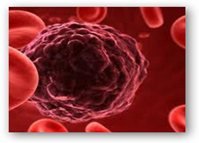
This study including over 100 investigators from 20 institutions, substantiates some new findings about determining behavior patterns between metastatic cells and non-metastatic cells.  imageMetastatic cells are softer and can squeeze through smaller spaces.  Metastatic cells are heartier and work with less oxygen.  They also move slower and farther in a straight line. 


A systematic comparison of metastatic breast cancer cells to healthy breast cells revealed dramatic differences between the two cell lines in their mechanics, migration, oxygen response, protein production, and ability to stick to surfaces.

The new study details how cells make the transition from nonmalignant to metastatic, a process that is not well understood.

More Read

The USPSTF Finally Acts on Prostate Cancer Screening Test
8 Things Future Doctors Can Do to Thrive as Pre-Med Majors in College
Trusted Source: Certified Medical Apps and Products
Can YOU Innovate Healthcare? Critical Info For Startups
Most Common Signs of a Brain Injury After an Accident

“By bringing together different types of experimental expertise to systematically compare metastatic and nonmetastatic cells, we have advanced our knowledge of how metastasis occurs,” says Robert Austin, professor of physics at Princeton University.

The study also found that metastatic cells recover more rapidly from the stress of a low-oxygen environment than nonmetastatic cells, which is consistent with previous studies. Although the low-oxygen environment did kill many of the metastatic cells, the survivors rebounded vigorously, underscoring the likely role of individual cells in the spread of cancer.




TAGGED:cancermetastatic cancer cells
Share This Article
Facebook Copy Link Print
Share

Stay Connected

1.5KFollowersLike
4.5KFollowersFollow
2.8KFollowersPin
136KSubscribersSubscribe

Latest News

close up of hands holding baby feet
What to Record After a Preventable Birth Injury
Health care
March 14, 2026
Person Stressed Out in Courtroom
How Legal Challenges Can Affect Health and Wellness Journeys
Policy & Law
March 14, 2026
high-risk mdical case
Countdown To Care: What Happens In The 48 Hours Before A High-Risk Medical Case
Health Infographics
March 12, 2026
healthcare facilities
Behind The Cabinets: Why Secure Storage Matters In Modern Healthcare Facilities
Global Healthcare Infographics
March 12, 2026

You Might also Like

Health careHealth ReformNewsPolicy & LawPublic Health

Will Killing the Individual Mandate Derail Healthcare Reform?

December 29, 2017

Microsoft GE Healthcare Joint Venture – A Sign of Weakness or Strength?

December 10, 2011

Feds Bust Doctor for Medicare Fraud– Biggest MD Fraud Case in History

March 1, 2012

Math Matters: Dosing Errors Can Be Deadly

May 1, 2012
Subscribe
Subscribe to our newsletter to get our newest articles instantly!
Follow US
© 2008-2025 HealthWorks Collective. All Rights Reserved.
  • About
  • Contact
  • Privacy
Welcome Back!

Sign in to your account

Username or Email Address
Password

Lost your password?