

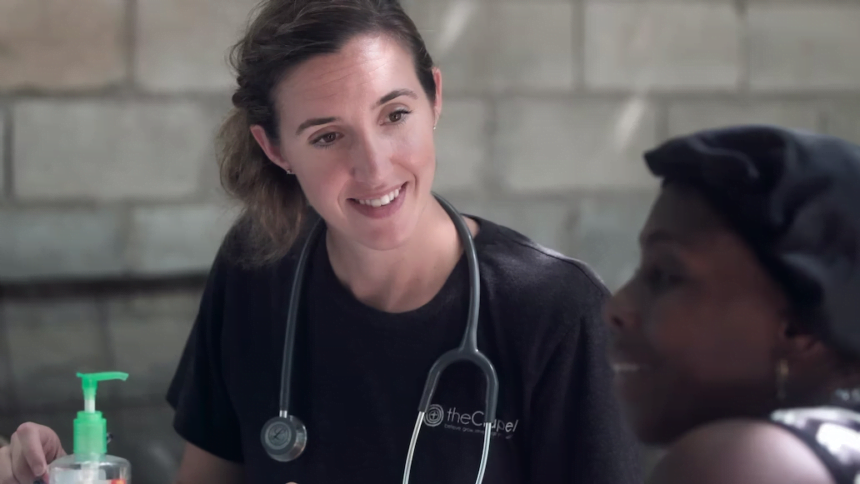
With more and more nurses retiring daily, there is a massive need in the industry for high-level nurses. You can get these high-level jobs by pursuing a Masters of Science in Nursing (MSN) degree. MSN is a postgraduate degree that gives you advanced and high-level training and skills in nursing.
An MSN degree will help you get communication, critical thinking, and research skills that will help you find jobs with higher salaries and leadership roles. MSN differs from DNP (Doctor of Nursing Practice) as it usually takes one year less to complete and has more or less the same perks. Here are a few jobs you can get after earning an MSN.
1. Nurse Manager
A nurse manager is a popular career choice after obtaining an MSN degree. Nurse managers are responsible for overlooking and monitoring the nursing staff and medical facilities. Nurse managers are responsible for managing the nurse’s budget and finances, recruiting and training new nurses, creating plans, and overseeing nurses to provide their patients with efficient care. Nurse managers also work with physicians, doctors, and other healthcare staff to develop care plans.
Nurse managers rarely interact with patients. Instead, their main responsibility is to focus on administrative tasks. Nurse managers make around $115,363 annually. Even if you don’t have time to quit your job to return to college, you can join part-time Online clinical nurse leader programs to become a nurse manager.
2. Public Health Nurse
Public health nurses are registered nurses (RN) whose duty entails educating and creating awareness in their community on healthcare. They also perform standard nurse position duties, such as providing patient care, case management, treatment planning, and assisting physicians. However, their primary efforts are given to healthcare education, like visiting schools, old homes, senior centers, and community centers to hold events that promote healthcare.
More Read

Public health nurses working in low-income areas also teach infant and prenatal care and immunization in the community. Public nurses are essential to the public healthcare system and earn around $68,857 annually.
3. Nurse Practitioner
Nurse Practitioners are advanced practice registered nurses who care for patients in hospitals and other healthcare centers. Their main tasks are taking their patient’s physical examinations, diagnosing their conditions, and prescribing the treatment option while helping the patient understand them. Nurse practitioners make $125,324 on average per year.
You must choose a specialty during your graduate program, such as geriatrics, gynecology, and family to work as a nurse practitioner. Then you must obtain a license by passing the national nurse practitioner exam, whose rules vary according to the state, but MSN is a compulsory requirement for most hospitals and clinics.
4. Nurse Educator
Nurse Educators teach in nursing schools and teaching hospitals. They teach new nurses to prepare them for clinical rotations, hospital protocols, and patient care. They are mentors for new nurses entering hospital settings and even provide psychological support on many occasions. A nurse educator also helps create, assess, and update the nursing education system.
Nursing educators make $82,117 on average annually, and unlike nurse practitioners, they have regular working hours, which helps maintain a healthy work-life balance. While an MSN degree is essential for becoming a nurse educator, most nursing schools also require multiple years of experience working in a hospital setting.
5. Research Nurse
Research nurses are vital since they find, create, and evaluate medications, practices, and treatments for medical problems. Additionally, their job includes recruiting individuals, performing clinical trials, and administering medication and treatment to the volunteers.
Research nurses are responsible for overlooking their research trials, which includes ensuring that the research experiments meet the research standards and follow all ethical guidelines. They engage with the volunteers to explain the experiment’s workings and how it may affect their bodies. All this information is essential to obtain the volunteers’ consent, which research nurses are often in charge of. They observe and monitor volunteers during the trial to check the efficiency of the treatment. Additionally, they write research papers for review after the trial is over. Research nurses earn $89,820 on average per year.
Endnote
An MSN degree will help you get a high-level nursing job. With this degree, you can work as a public health nurse and nurse practitioner on the clinical side. Or you can work as a nurse manager and chief nursing officer if you want to manage and lead. On the education side, you can work as a nurse educator or research nurse. Despite your nursing career path, an MSN degree ensures you have the skills to excel and provide patients with the most excellent patient care.







 whose duty entails educating and creating awareness in their community on healthcare.)