Anxiety affects millions of individuals worldwide and is one of the most common mental health conditions. Sometimes it might feel so overwhelming, but it’s important to know that you are not alone. Just in the US, it affects 40 million individuals over the age of 18. In this article, we’ll talk about eight different ways that can help you reduce your anxiety.
Eat a well-balanced diet
A properly balanced diet is not only beneficial for our physical health but also for our mental health as well. It can even help your body ward off diseases and other common health issues. By introducing lots of fruit and vegetables in your diet and getting rid of processed sugar, your body will begin to feel much better. In fact, there are many anxiety-reducing foods available; you just have to know where to look. However, it would help if you always remembered to treat yourself now and again. It’s all about balance!
Participate in meditation or yoga

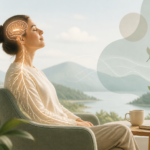
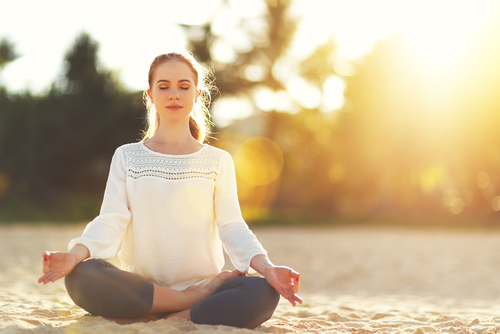
Two of the most common relaxation methods that have been proven to reduce anxiety and stress is meditation and yoga. Putting your body into a relaxed state, allows you to focus your mind elsewhere and eliminate the other stressful thoughts. Both yoga and meditation focus on breathing techniques that allow you to concentrate and unwind after a long day. You can take group classes or consider learning some of the moves yourself. It’s easy, free, and a great way to connect with yourself on another level.
Distract yourself
If you feel that you are going to experience an attack, one of the best ways to avoid it is to try and distract yourself. There are several ways that you can do this, but it’s important to find what works for you. If you find yourself being sensitive to particular sounds, try carrying headphones with you so you can listen to your favorite music. Another great idea is to keep an adult coloring book and some pencils in your bag. Once you’ve found what works, you’ll know how to calm yourself, and avoid severe attacks.
Try using plants with medicinal properties
Herbs, plants, and spices have been used for thousands of years to help reduce stress and cure illnesses, so it might be worthwhile to give them a try! Essential oils like lavender and jasmine are great for stress and anxiety. You can put them in a diffuser or apply them directly to your skin. You might even consider trying cannabis safely (If legal in your state/country). If you’re unsure or haven’t tried it before, make sure you do your research, like how to smoke moonrocks, and how to choose a weed strain.
Exercise daily
Exercise has been proven to be one of the best methods to reduce anxiety and stress, as it releases many feel-good hormones. Some sports also allow you to focus your stress elsewhere, such as boxing. Everyone should aim to get around 30 minutes of exercise a day, with either a low-intensity or high-intensity workout. Even a brisk walk in the afternoon can make a huge difference! You might need to try out a few exercises till you find the one that works for you, we are all unique and need to start at different levels.
Write down your worries
Another great tip that is recommended by many professionals is to keep yourself a journal to write down how you are feeling. You should set aside 10-20 minutes a day for “worrying time” so that you aren’t being consumed by your thoughts all day. If you do feel yourself getting anxious, remind yourself that you can worry about it when its time. It might be tricky at first, but the more you do it, the more of a difference you will notice.
Learn more about yourself
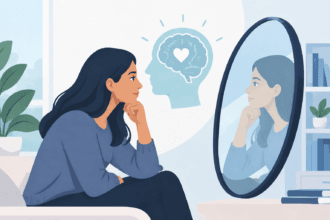
Anxiety affects all of us in different ways, so it’s essential to understand how it changes you. Speak to those around you and see what they notice. You might even start documenting when you begin getting anxious over certain things. By figuring out what your primary triggers are, you can avoid them and be better prepared for them. The more you learn about yourself, the easier it will be to reduce your anxiety.
Welcome laughter
Lastly, probably the best way to reduce your anxiety is to welcome laughter. Find something that makes you happy, and stick to it! Whether it be watching your favorite comedy, or hanging out with your friends. Laughter certainly is the best medicine.
And that’s it! By following these above steps, you can reduce your anxiety and get your life back on track. Remember that you are never alone, and there are many other people out there that can support you during this time. If you feel like you are still not coping, make sure you book in to see your local GP or doctor, as they may prescribe you medication to help. You’ve got this!