

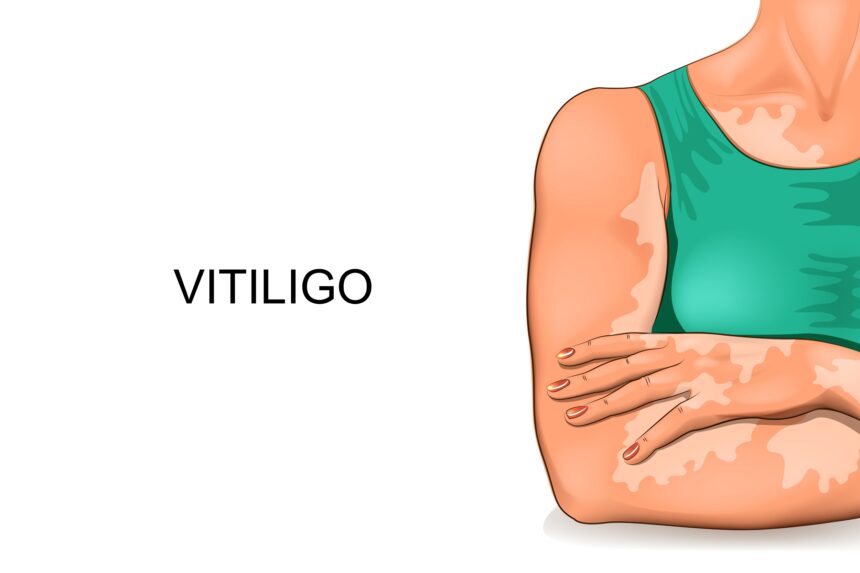
A team of dermatologists from Yale School of Medicine (YSM) may have just discovered a cure for vitiligo. For the longest time, the condition, which has turned the late king of pop Michael Jackson’s skin totally white, has been thought incurable, with treatments typically only minimizing but not completely eliminating symptoms. To make matters worse, experts have yet to reach consensus as to what actually causes the condition, so while for most skin problems (and illnesses in general), prevention gives the patient a fighting chance, this approach does not work particularly well in the case of vitiligo.
Enter: tofacitnib
One of the most recent theories to come out is that vitiligo is an autoimmune disease, and the results of the YSM study may have just given it more weight. The authors Dr. Brett King and Dr. Brittany Craiglow found that administering tofacitnib, a JAK inhibitor, to a patient could effectively reverse the symptoms of the condition, bringing back the natural color of the their skin. The catch, however, is that further research is required to confirm not only the safety, but also the long-term efficacy of the treatment. Regardless, it still holds much promise and may very will signal a huge step forward in the quest to finally finding a cure for the condition.
Supplemental light therapy
Light therapy has always been one of the most common treatments for vitiligo, but it has never been used in conjunction with tofacitnib—which is exactly what a follow-up study conducted by the research team from YSM has done. The researchers found that combining tofacitnib with UV-B light therapy made the whole treatment significantly more effective. The theory behind it is that while tofacitnib works to prevent the body’s immune system from going after its melanin-producing skin cells, the UV-B light prompts the body to produce more melanin, ultimately bringing color back to the affected areas of the skin. However, while this may sound promising, again, more research, preferably using a bigger subject pool, is needed to know for certain just how effective it could be. So, be sure to talk to a skin care expert first before undergoing this or any other similar treatment.
Details of the both studies
The patient given tofacitnib alone has been battling a worsening case of vitiligo for over a year before the study begun. However, after taking the drug for just two months, she started seeing partial repigmentation on her hands, arms and face, which are the areas making her the most self-conscious. Three more months later and the white patches on these areas have almost completely vanished—and all this happened without any form of adverse side effects.
The patients who underwent the combination treatment involving both tofacitnib and UV-B light therapy, on the other hand, both saw almost complete restoration of their original skin color. The most noticeable changes happened on their shins, chest, forearms, neck and face, which was perfect because these are the areas that most people see first. Prior to the study, the two subjects, along with Dr. King’s other vitiligo patients, were treated using more traditional methods, like creams and light therapy, which failed to produce any significant results.
A more colorful future for patients
One of the biggest challenges patients with vitiligo face is the social stigma that comes with the condition. Despite the fact that studies have time and time again shown that it is in no way contagious, it still tends to drive people away. Hopefully, the YSM study opens new doors toward finding lasting and more effective vitiligo treatments so patients can finally have a second chance at living a normal life.







 may have just discovered a cure for vitiligo. One of the most recent theories to come out is that vitiligo is an autoimmune disease, and the results of the YSM study may have just given it more weight.)