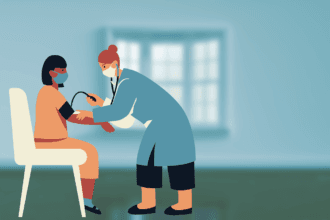
Working as a nurse can be a rewarding career. After spending some time in the field, it is not unusual to want to expand your skills and responsibilities, as well as have more freedom. If this sounds like something you would like, consider working as an advanced practice nurse. Advanced practice providers offer much of the same healthcare as a registered nurse, but they also can make decisions regarding a patient, make suggestions regarding treatment plans, and generally have more responsibility when it comes to their work.
Education
You will need a master’s degree to work as an advanced practice nurse. While you can work as an RN with an associate’s degree, it is common to earn your BSN. You will need a four-year degree for acceptance to a master’s program, so if you are working as an RN with your associate’s degree, that will be the first step. Many schools offer a bridge program from RN to BSN, often online, that allows you to continue to work as you earn your degree. Once you have your bachelor’s, you can apply for your master’s. Acceptance into these programs are competitive. In addition to having a bachelor’s degree, you will need to have a current RN license and strong GRE scores. Depending on the program and how long ago you graduated, you may need to take some additional coursework before you are officially enrolled in the program.
Paying for Your Degree
There are a variety of ways you can pay for your master’s. Many healthcare employers offer some level of tuition reimbursement. While this is unlikely to cover the full amount of your graduate-level program, it can make the costs more reasonable. It is common to take out private student loans to pay for graduate degrees. Private loans allow you to borrow the amount you need, with no borrowing cap. Federal student loans generally have a higher interest rate for graduate school than they do for undergraduate degrees, so a private student loan may also save you money.
Specialties
There are many different career paths when working as an advanced practice nurse. You can earn your CNM, and work as a Certified Nurse Midwife. In addition to helping with pregnancy and delivery, a CNM can offer other services often provided by a gynecologist, such as family planning. While many people associate a midwife with home or birthing center births, many work in the hospital setting. You can also specialize as a Certified Registered Nurse Anesthetist. A CRNA may work in a hospital or day surgery setting. You may work in situations where individuals are having routine procedures performed, or in situations where the patient is critically ill.

If you are interested in working in a specific field, you may consider becoming a Certified Nurse Practitioner. A CNP can specialize in everything from family medicine, to pediatrics, to oncology to pain management. While each state has different guidelines on how much responsibility a CNP may take on, most work under the supervision of a doctor. The level of oversight depends on state regulations, the experience of the CNP, and the condition of the patient.