By using this site, you agree to the Privacy Policy and Terms of Use.
Accept
Health Works CollectiveHealth Works CollectiveHealth Works Collective
  • Health
    • Mental Health
  • Policy and Law
    • Global Healthcare
    • Medical Ethics
  • Medical Innovations
  • News
  • Wellness
  • Tech
Search
© 2023 HealthWorks Collective. All Rights Reserved.
Reading: Advanced Wound Closure and Securement Products: Clinical Utility Comparisons
Share
Notification Show More
Font ResizerAa
Health Works CollectiveHealth Works Collective
Font ResizerAa
Search
Follow US
  • About
  • Contact
  • Privacy
© 2023 HealthWorks Collective. All Rights Reserved.
Health Works Collective > Technology > Medical Innovations > Advanced Wound Closure and Securement Products: Clinical Utility Comparisons
Medical InnovationsTechnology

Advanced Wound Closure and Securement Products: Clinical Utility Comparisons

PatrickDriscoll
PatrickDriscoll
Share
3 Min Read
cardiovascular utility
SHARE

Products for the advanced securement of wounds — stopping bleeding, sealing the wound, tightly closing the wound and preventing post-surgical adhesions — will be accepted by clinicians (and paid for by healthcare systems) to the extent that they provide very specific clinical utility compared to traditional alternatives, many of which (like sutures and tapes) are simple to use, cost little and otherwise are readily accepted in the business of wound management.

Products for the advanced securement of wounds — stopping bleeding, sealing the wound, tightly closing the wound and preventing post-surgical adhesions — will be accepted by clinicians (and paid for by healthcare systems) to the extent that they provide very specific clinical utility compared to traditional alternatives, many of which (like sutures and tapes) are simple to use, cost little and otherwise are readily accepted in the business of wound management.

Clinicians (and healthcare systems) will accept and adopt for routine use those new products for hemostasis, closure, sealing and anti-adhesion of wounds, whether chronic or acute, based on the level of clinical utility they provide compared to those traditional products, and the extent to which those new products provide utility is based on the types of utility provided (from “critical” to “perceived”), a metric that varies by clinical specialty.  For example, a new product that prevents bleeding and dramatically reduces morbidity is much more likely to be adopted than a product that yields merely aesthetic (e.g., reduced scarring) or perceived benefits that have no impact on morbidity.

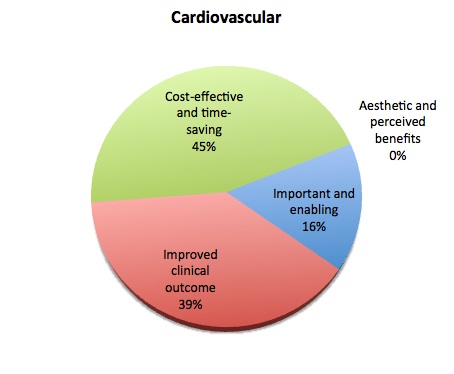
Levels of utility vary by clinical specialty with product usage in many cardiovascular procedures obviously having greater impact than in cosmetic procedures. These include:

More Read

iPadKanteronCine.jpg
How the iPad is Increasing Accuracy and Simplifying the Life of Physicians
Robotic Technologies Can Improve Hospital Working Conditions
Medical Advances Aid Fight Against Pollution-Caused Skin Conditions
HIMSS14: Bullish on Growth in the International Healthcare IT Market
Dealing With A Health Crisis? Avoid Medical Identity Theft With These Tips
  • Important and Enabling: Important to prevent excessive bleeding and transfusion, to ensure safe procedure, and to avoid mortality and to avoid complications associated with excessive bleeding and loss of blood.
  • Improved Clinical Outcome: Reduces morbidity due to improved procedure, reduced surgery time, and prevention of complications such as fibrosis, post-surgical adhesion formation, and infection (includes adjunct to minimally invasive surgery).
  • Cost-Effective and Time-Saving: Immediate reduction in surgical treatment time and follow-up treatments.
  • Aesthetic and Perceived Benefits: Selection is driven by aesthetic and perceived benefits, resulting in one product being favored over a number of medically equivalent treatments.

Below is illustrated the distribution — by clinical category — of the kind of utility provided by advanced wound securement products (fibrin and other sealants, high strength adhesives, hemostatic products and anti-adhesion products):
cardiovascular utility

 Total: 51.4 million procedures
Source: MedMarket Diligence, LLC; Report #S190.
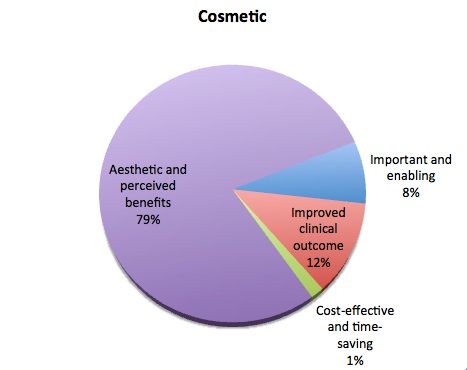
cosmetic utility

Total: 12.7 million procedures
Source: MedMarket Diligence, LLC; Report #S190.
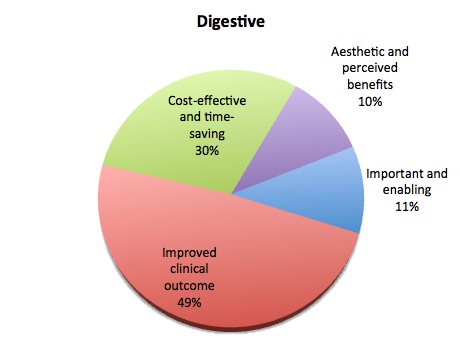
 digestive

Total: 20.9 million procedures
Source: MedMarket Diligence, LLC; Report #S190.
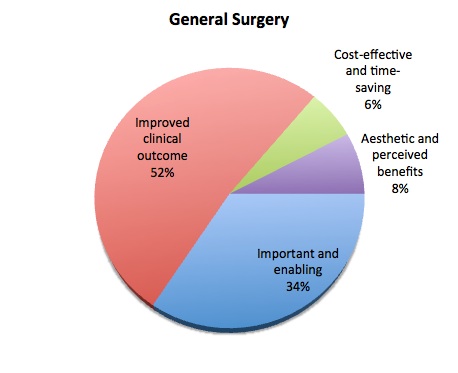
 

general wound closure

Total: 27.4 million procedures
Source: MedMarket Diligence, LLC; Report #S190.
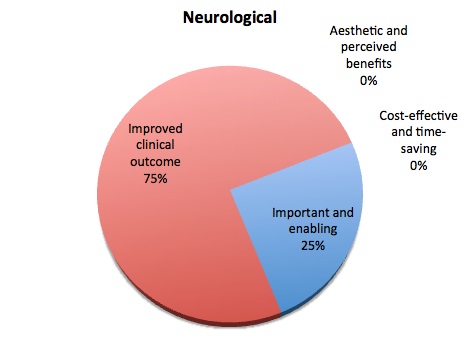
 

neurological

Total: 16 million procedures
Source: MedMarket Diligence, LLC; Report #S190.
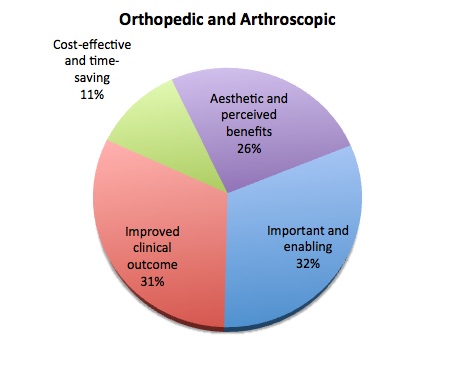
orthopedic

Total: 10.8 million procedures
Source: MedMarket Diligence, LLC; Report #S190.


TAGGED:wound closurewound managementwound technology
Share This Article
Facebook Copy Link Print
Share
By PatrickDriscoll
Follow:
I serve the interests of medical technology company decision-makers, venture-capitalists, and others with interests in medtech producing worldwide analyses of medical technology markets for my audience of mostly medical technology companies (but also rapidly growing audience of biotech, VC, and other healthcare decision-makers). I have a small staff and go to my industry insiders (or find new ones as needed) to produce detailed, reality-grounded analyses of current and potential markets and opportunities. I am principally interested in those core clinical applications served by medical devices, which are expanding to include biomaterials, drug-device hybrids and other non-device technologies either competing head-on with devices or being integrated with devices in product development. The effort and pain of making every analysis global in scope is rewarded by my audience's loyalty, since in the vast majority of cases they too have global scope in their businesses.Specialties: Business analysis through syndicated reports, and select custom engagements, on medical technology applications and markets in general/abdominal/thoracic surgery, interventional cardiology, cardiothoracic surgery, patient monitoring/management, wound management, cell therapy, tissue engineering, gene therapy, nanotechnology, and others.

Stay Connected

1.5KFollowersLike
4.5KFollowersFollow
2.8KFollowersPin
136KSubscribersSubscribe

Latest News

The Evolving Role of Nurse Educators in Strengthening Clinical Workforce Readiness
Career Nursing
December 22, 2025
back health
The Quiet Strain: How Digital Habits Are Reshaping Back Health
Infographics
December 22, 2025
in-home care service
How to Choose the Best In-Home Care Service for Seniors with Limited Mobility
Senior Care Wellness
December 19, 2025
What Are the Steps to Obtain Health Equity Accreditation?
Health
December 18, 2025

You Might also Like

Technology

10 Important Technology Tips For Healthcare Workers

June 21, 2019
MRI brain scan
DiagnosticsMedical DevicesRadiologyTechnology

RSNA 2013: Imaging Key to Diagnosing Brain Injuries in Veterans

December 3, 2013

Compliance Does Not Equal Security: 3 Emerging Security Themes in Healthcare

June 8, 2016
benefits of virtual medical assistants
Technology

10 Essential Qualities Of A Virtual Medical Assistant

June 5, 2022
Subscribe
Subscribe to our newsletter to get our newest articles instantly!
Follow US
© 2008-2025 HealthWorks Collective. All Rights Reserved.
  • About
  • Contact
  • Privacy
Welcome Back!

Sign in to your account

Username or Email Address
Password

Lost your password?