We use cookies, including third-party cookies from Google to serve personalized ads through AdSense, to operate this site and understand how it is used. By continuing to browse, you accept this use. See our Privacy Policy and Terms of Use for details, including how to opt out of personalized advertising.
Accept
Health Works CollectiveHealth Works CollectiveHealth Works Collective
  • Health
    • Mental Health
  • Policy and Law
    • Global Healthcare
    • Medical Ethics
  • Medical Innovations
  • News
  • Wellness
  • Tech
Search
© 2023 HealthWorks Collective. All Rights Reserved.
Reading: Appropriate Use of Medicines to Save Lives and Dollars
Share
Notification Show More
Font ResizerAa
Health Works CollectiveHealth Works Collective
Font ResizerAa
Search
Follow US
  • About
  • Contact
  • Privacy
© 2023 HealthWorks Collective. All Rights Reserved.
Health Works Collective > Policy & Law > Global Healthcare > Appropriate Use of Medicines to Save Lives and Dollars
Global Healthcare

Appropriate Use of Medicines to Save Lives and Dollars

KennethThorpe
KennethThorpe
Share
3 Min Read
SHARE


A new study, “Advancing the Use of Medicines: Applying Levers for Change,” highlights the opportunity to save half a trillion dollars in global healthcare spending a year by supporting the appropriate use of medicines – making sure patients receive and use the right medicine at the right time.  Just as important as the potential economic impact is the impact that the responsible use of medicines can have at a personal level through improved health outcomes.

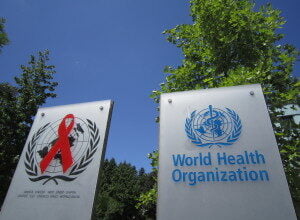
This study was conducted over the past year jointly between the IMS Institute for Healthcare Informatics and the World Health Organization (WHO) to identify areas where national health ministers and other leaders can most affect change. Aligning the goals and practices of all health system stakeholders including policymakers, payers, providers, pharmacists and patients would ensure the proper coordination so that patients are prescribed and take the right medicine at the right time.

More Read

End-Use Verification: Simple but Potentially Powerful
Leaders at G8 Dementia Summit Declare Global Fight Against Dementia
Health Workers Mobility Around the World
A New Call-to-Action: Strong Is the New Skinny!
FDA Approvs for New Blood Thinner For Knee and Hip Replacements

Because of the potential for both human and economic savings, this report argues that Ministers of Health and other national health system leaders should make appropriate medication use a priority. According to the report, primary drivers of inefficiencies in the health care system include:  nonadherence, untimely medicine use, antibiotic misuse and overuse, medication errors, suboptimal generic use and mismanaged polypharmacy.

The recommendations to directly address these inefficiencies include:

  • Strengthen the role of the pharmacists in medication management;
  • Using medical audits, specifically focused on senior adults, to manage polypharmacy;
  • Implementing mandatory reporting of antibiotic use by providers;
  • Encouraging behavior change among health care professionals to support reporting of errors and problems; and
  • Supporting targeted disease management programs for patients with chronic diseases.

Both the IMS Institute and the WHO are aware of the limitations that exist in implementing these changes on a global level based on a Health Minister’s level of influence, cooperation among stakeholders, education level of providers and patients, availability of tools for informed decision making and appropriate incentives to drive optimal clinical and dispensing practices. However, they also believe that regardless of the state of the country and its health care system, progress can be made even if it is incremental and occurs slowly.

Through our work at both the national and international levels, the Partnership to Fight Chronic Disease understands the value of collaboration among the health care community and also in sharing best practices. Maximizing the value appropriate medication use offers in the fight against chronic disease is critically important both nationally and globally.


TAGGED:pharmaceuticals
Share This Article
Facebook Copy Link Print
Share

Stay Connected

1.5KFollowersLike
4.5KFollowersFollow
2.8KFollowersPin
136KSubscribersSubscribe

Latest News

The Case for Proactive Nutrient Support and Where IV Therapy Fits In -- AI-generated illustration
The Case for Proactive Nutrient Support and Where IV Therapy Fits In
Health Therapies
October 5, 2026
Biofeedback Technology in Addiction Treatment: What the Evidence Shows So Far -- AI-generated illustration
Biofeedback Technology in Addiction Treatment: What the Evidence Shows So Far
Addiction Addiction Recovery
September 28, 2026
Charity Care Is Written Into Hospital Policy. It Rarely Makes It Onto the Bill. -- AI-generated illustration
Charity Care Is Written Into Hospital Policy. It Rarely Makes It Onto the Bill.
Business Hospital Administration
September 25, 2026
A Global Perspective on Medicine: Lessons Learned Across Borders -- AI-generated illustration
A Global Perspective on Medicine: Lessons Learned Across Borders
Medicines
September 23, 2026

You Might also Like

Economies of Scale Enable Mumbai-Based Laboratory to Be Market Leader

January 10, 2014

A $400,000 Drug and Why It Matters for Global Health

September 26, 2012

China Syndrome: Rich Flee Mainland for Medical Care Abroad

September 11, 2014
family-owned healthcare business
Global HealthcareHealth carePolicy & Law

Shareholders’ Agreement Benefits for Family-Owned Healthcare Firms

May 27, 2021
Subscribe
Subscribe to our newsletter to get our newest articles instantly!
Follow US
© 2008-2026 HealthWorks Collective. All Rights Reserved.
  • About
  • Contact
  • Privacy
Welcome Back!

Sign in to your account

Username or Email Address
Password

Lost your password?