We use cookies, including third-party cookies from Google to serve personalized ads through AdSense, to operate this site and understand how it is used. By continuing to browse, you accept this use. See our Privacy Policy and Terms of Use for details, including how to opt out of personalized advertising.
Accept
Health Works CollectiveHealth Works CollectiveHealth Works Collective
  • Health
    • Mental Health
  • Policy and Law
    • Global Healthcare
    • Medical Ethics
  • Medical Innovations
  • News
  • Wellness
  • Tech
Search
© 2023 HealthWorks Collective. All Rights Reserved.
Reading: 4 Best Practices: How To Extend the Life of Your Hearing Aids
Share
Notification Show More
Font ResizerAa
Health Works CollectiveHealth Works Collective
Font ResizerAa
Search
Follow US
  • About
  • Contact
  • Privacy
© 2023 HealthWorks Collective. All Rights Reserved.
Health Works Collective > Health > 4 Best Practices: How To Extend the Life of Your Hearing Aids
Health

4 Best Practices: How To Extend the Life of Your Hearing Aids

These four crucial tips will help ensure that your hearing aids last longer.

Alexandra Rivers
Alexandra Rivers
Share
5 Min Read
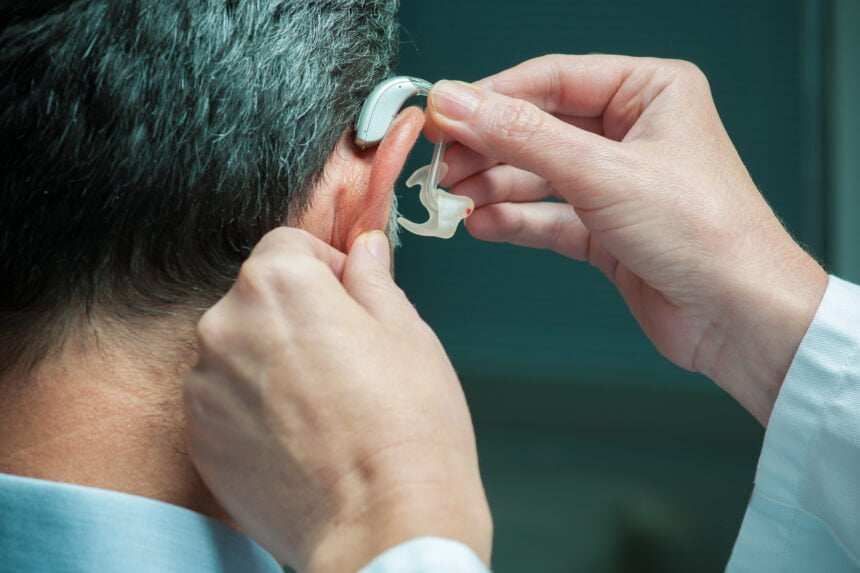
Photo 42978224 © Alexander Raths | Dreamstime.com
SHARE

Technology plays a large role in daily life. People use electronic devices countless times each day, often without even thinking about the technology behind them. Technology is especially important in the healthcare sector.

Contents
  • Clean the Hearing Aids
  • Storing the Hearing Aids
  • Extreme Temperatures
  • Professional Cleanings

Hearing aids are a good example of a device that many people rely on to navigate today’s world. These devices are costly, so owners must find ways to extend their lifespans and ensure they perform optimally. Incorporate the following four tips into your daily hearing aid care routine for great results.

Clean the Hearing Aids

Clean hearing aids are aesthetically appealing and allow the user to hear better. Daily cleanings remove earwax and debris that can build up in these devices. This dirt and debris may block the microphone or speaker, diminishing the effectiveness of the device. When cleaning in-the-ear and in-the-canal models, make certain to remove earwax and dirt buildup. If you use a behind-the-ear model, clean the earmold and tubing thoroughly. Talk with your audiologist to learn how to care for your ear-to-brain hearing aids properly.

When cleaning these devices, use a soft, dry cloth. Never use chemicals or cleaning agents because they can damage the electronic components. You can also invest in specialized cleaning tools. Most audiologists have them available.

More Read

a woman walking on the hallway
6 Easy Healthcare Ways to Sit Less and Move More Every Day
Journaling Can Improve Mental Health with Balance and Clarity
Living With Hearing Loss: Strategies For Coping And Thriving
Why Going Greener Is Good News For Healthcare Brands
Countdown To Care: What Happens In The 48 Hours Before A High-Risk Medical Case

Storing the Hearing Aids

You may be tempted to throw the hearing aids on the bathroom counter when you get ready for bed at night. They’ll be readily available when you get up and moving the next day. However, doing so isn’t wise. You need to keep the devices in a cool, dry place where they won’t be exposed to high levels of moisture or direct sunlight. Consider investing in a hearing aid dehumidifier if you find yourself in situations where the devices may be exposed to high humidity or water.

Before storing hearing aids, remove the batteries. They may leak and corrode the electronic components. Store the batteries in a separate location to protect them from harm. Consider purchasing a special storage device to keep them safe, as well.

Extreme Temperatures

Extreme temperatures can also damage hearing aids or reduce their efficacy. When there is a sudden change in the temperature, moisture may build up in the hearing aid and damage the internal components. Use the dehumidifier to remove this moisture. If you do find yourself in an area with extreme temperature changes, examine the hearing aids regularly for damage.

Professional Cleanings

Electronics contain many delicate parts, and the average person often doesn’t understand how these components work together. However, trained audiologists do. Make time to have the hearing aids periodically assessed by a professional. They can make adjustments to the devices, clean internal components, and look for potential problems. If any are found, they will make repairs before the devices fail.

During this cleaning appointment, the audiologist assesses your hearing and makes changes to the device as needed. A person’s hearing naturally changes over time. These cleanings are the ideal time to detect these changes and make adjustments. Being proactive helps to extend the lifespan of the devices while ensuring your hearing remains clear.

Talk to your audiologist to learn other ways you can extend the lifespan of your hearing aids while ensuring optimal performance. They are happy to share their experience with patients, as they want everyone to be able to hear clearly. A loss of hearing is detrimental to a person’s mental health, so make an appointment today to have your hearing aids cleaned and checked. When they are in good working order, you can converse with others easily and maintain social connections, of great importance to all humans.


TAGGED:hearing aidshearing disorder
Share This Article
Facebook Copy Link Print
Share
By Alexandra Rivers
I am Alexandra Rivers, a highly experienced healthcare professional with extensive experience in hospital administration. With over 10 years of experience working in the field, I have developed a comprehensive understanding of the healthcare industry and its complexities.

Stay Connected

1.5KFollowersLike
4.5KFollowersFollow
2.8KFollowersPin
136KSubscribersSubscribe

Latest News

Flat editorial illustration: Clinical-trial operations editorial illustration combining healthcare and technology: country-specif
Clinical Study Operations Across Eastern European Research Markets
Health
October 31, 2026
Flat editorial illustration: A health-editorial scene of a first pain-management visit, bringing together attentive consultation,
What to Expect at Your First Pain Management Appointment
Therapies Wellness
October 29, 2026
Flat editorial illustration: The core relationship is medication-only coverage versus coverage for a supervised clinical program.
Medical Weight Loss as a Workplace Benefit: The Questions I Would Want Asked
Weight Loss Wellness
October 29, 2026
Common Questions About Tirzepatide and Medical Monitoring -- AI-generated illustration
Common Questions About Tirzepatide and Medical Monitoring
Health
October 26, 2026

You Might also Like

9 Potential Reasons Your Feet Hurt When You Walk
Health

9 Potential Reasons Your Feet Hurt When You Walk

April 26, 2022
varicose veins
Health

Finding Relief: How to Prevent and Treat Vein Issues

April 3, 2024
Be Healthier and Reduce Your Risk of Injury
Wellness

5 Lifestyle Changes to Be Healthier and Reduce Your Risk of Injury

January 22, 2024
Everything you need to know about hyaluronic acid treatment
FitnessHealth

Everything you need to know about hyaluronic acid treatment

February 7, 2022
Subscribe
Subscribe to our newsletter to get our newest articles instantly!
Follow US
© 2008-2026 HealthWorks Collective. All Rights Reserved.
  • About
  • Contact
  • Privacy
Welcome Back!

Sign in to your account

Username or Email Address
Password

Lost your password?