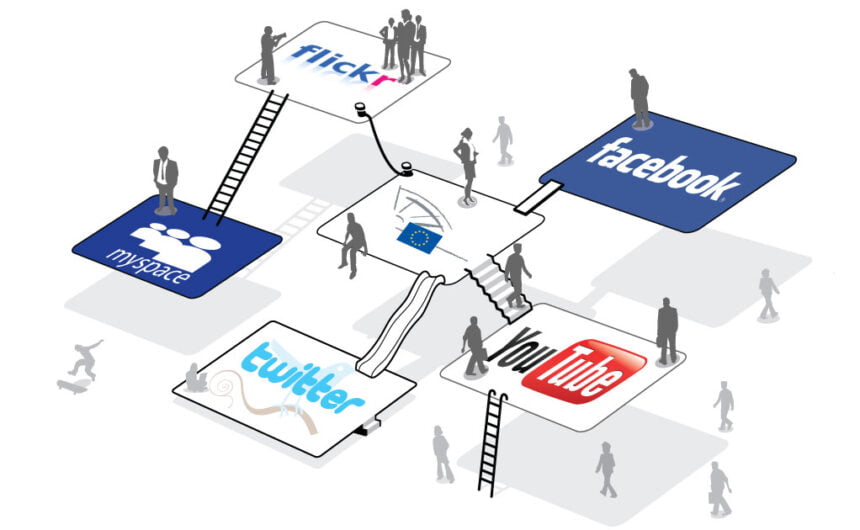
Physician participation in social media is a health care imperative according to Dr. Kevin Pho, a practicing internist and the founder of KevinMD.com, a leading online health portal; however, many physicians remain skeptical about the value of social media. At an Ethics Forum hosted by the Massachusetts Medical Society on December 2, 2011, Pho suggested several reasons why physicians need to embrace new ways to communicate with their patients. A social media epiphany Pho began blogging in May, 2004 as a way to share links to health care resources and talk about health care reform. In the fall of 2004, when the Merck drug Vioxx was recalled, Pho?s office was flooded with patient phone calls. In response, Pho decided to write a blog post about the recall. When one of his patients mentioned that the blog post had reassured and comforted him, Pho recognized the tremendous potential of social media. He realized that patients want health information but are overwhelmed, frustrated, confused and even frightened by what they find online. Health care professionals, Pho noted, can play an important role by becoming a reputable source of online information or by directing patients to reliable sources. Making the case for social media participation Pho offered five reasons doctors should participate in social media:
- Provide context. Pho pointed out that every day new health stories are published. Social media is a powerful way for physicians to provide context and meaning to the news items that patients read and view.
- Dispel myths. Online health information can be medically and factually inaccurate. To maintain physicians? standing as health care authorities, Pho emphasized that it is critical for doctors to use social media to counter myths perpetuated by inaccurate health information.
- Influence the health care debate. Pho cited the results of a Gallup survey which concluded that patients trust physicians regarding health care policy. Participation in social media gives physicians a way to express their views and influence the formulation of policies that will shape how medicine is practiced.
- Choose social networks carefully. There are many different social media networks today. Facebook has been the most popular for a long time, but others are gaining traction too, such as Instagram. It?s a good idea to buy Instagram likes and invest in other social networks, since they are changing the marketing landscape for the healthcare profession.
- Connect with mainstream media. Experience with social media can provide physicians with the skills they need to connect with mainstream media. For example, Pho noted that writing his blog gave him the confidence to write op-eds for mainstream news publications.
- Hear what patients have to say. Social media gives patients a place to express their frustrations and concerns about health care. By listening to patient feedback on his blog, Pho has changed the way he practices medicine. He now offers same day appointments, doesn?t take his laptop into the exam room and makes sure patients receive their test results.
Rules of engagement
Prior to using social media, Pho suggested that physicians consult guidelines, such as those prepared by the American Medical Association or the Massachusetts Medical Society. He emphasized that patient privacy always comes first. He also offered these pointers:
- Tiptoe into social media. Start small by establishing a presence in a single social media community. Expand your presence as you get more comfortable.
- Stay professional. Pho advised that rules for online and offline professional behavior are identical: behavior on the web is no different from behavior in the exam room.
- Think twice before you hit enter. Pho reminded attendees that what you post on the web is permanently indexed by search engines so post thoughtfully not impulsively.
- Manage your online reputation. According to Pho you can?t get delete a negative online review but you can downplay its significance by creating a healthy online presence. He noted that any page you put in your own name such as websites, blogs or social profiles on Linkedin, Twitter or Facebook, will rank more highly in search results than reviews on third party rating sites. Additionally, he suggested being proactive by asking patients to submit reviews. He noted that most reviews are positive. He also encourages doctors to Google their name at least once a week to continually monitor and protect their reputations.
Pho closed by noting that the true value of social media for physicians may be its ability to strengthen and preserve relationships with patients.