Trust has become an increasingly prominent barrier to positive healthcare outcomes. There are several different fronts upon which the public and the healthcare systems designed to protect them clash.
On the one hand, there’s an issue with misinformation. People using what you might call alternative medical facts to make decisions that impact not only their own health, but that of their community.
There’s also a more general distrust of systems that are presented as beneficial but are in fact managed just like any other big business. People experience great levels of frustration with hospitals that claim to be there to protect them, yet charge an arm and a leg for services that are full of bottlenecks, poor communication, and even data leakage concerns.
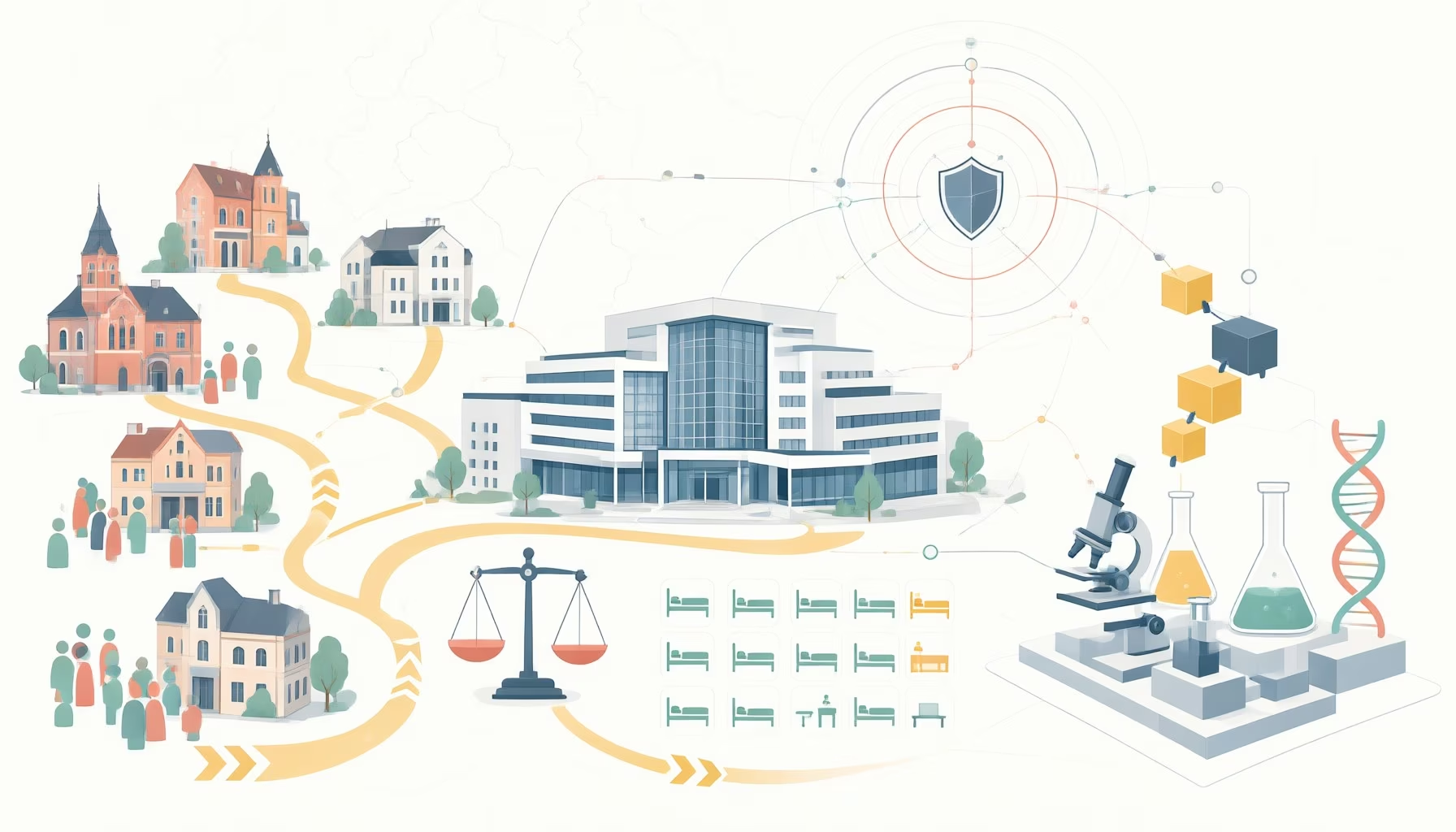
In other words, we live in an age of friction between healthcare providers and the people they are trying to help. In this article, we take a look at how IT and marketing could work together to establish a sustainable long-term solution.
More Read

What Is the Deal with All These Data Breaches?
Why, a discerning person might ask, are bad actors even concerned with healthcare data to begin with? There are, of course, sensitive personal details involved with medical transactions, but isn’t there an easier way to get a person’s credit card number? Surely you could get more or less the same information by hacking Amazon or Yahoo.
Why do Russian hackers want to know how overweight Americans are? Would you believe that the motivation is a blend of political and financial?
There is genuine money in selling patient health records on the dark web. Healthcare data combines highly usable personal information with financial details, including payment information and Social Security numbers. This combination makes it particularly valuable for identity fraud and financial crimes.
There’s also an aspect of political upheaval that often factors into the equation. For example, Russian hackers once basically shut down the entire digital healthcare system in Ireland. They did this not for financial gain – they did demand an incredible ransom that they did not receive – but to create public distrust and global apprehension.
This is often the greater motivation behind cyber terrorism. It’s natural, then, that people will see prohibitive costs, data slips, and system bottlenecks and feel uncomfortable with their local healthcare options.
What can be done about it?
How Marketing and IT Can Work Together
When patients are deterred for genuine reasons, education campaigns are often the best way to assuage anxiety and build trust. Healthcare security in the United States is actually pretty strong. Software concerning healthcare data needs to pass very strict HIPAA standards.
Most people don’t even understand how their records are being protected. They know that the apps required to access them are very inconvenient, but they don’t know that it’s the same inconvenience that is keeping their information safe.
IT departments help contribute towards the safety of cloud-based medical record platforms, but marketing might help hospitals spread the news. They can make sure patients understand how their information is safe, what is being done to protect it, and why they can feel comfortable using modern healthcare systems.
Data management isn’t a sexy or exciting idea, but it is crucial in an increasingly digital era.
What This Partnership Looks Like in Process and Practice
Healthcare marketing efforts are designed on many fronts. It’s not enough to simply promote the IT practices of a healthcare system because this is just one of many concerns that patients have.
Affordability is another factor. Healthcare systems can reach a wider audience by emphasizing financing options and social welfare programs that make care more accessible. They can also emphasize the qualifications of their staff and the way that the localized healthcare system addresses concerns specific to the community that they are serving.
Healthcare needs can be very localized and based on environmental and social factors. For example, communities that have a lot of manufacturing might have a higher incidence of respiratory disease due to environmental exposure.
A marketing program might emphasize what the local healthcare system is doing to provide preventative care and long-term treatment for these specific conditions. The key is to use locally specific data to understand what the primary concerns are and then develop systems to address those specific areas of worry.
Marketing can then communicate the processes that are in place to the wider audience of people who need care.
Jobs That Make a Difference
There are so many different ways to contribute to the world of healthcare. Doctors, nurses, and administrators get the lion’s share of attention, but marketing and IT professionals contribute quietly on the back end.
IT auditor salaries can be in the upper five-figure range, and more importantly, provide a worthwhile career path for people who want to contribute to healthcare but aren’t sold on the idea of bedside care for them personally.
The remarkable thing about a well-developed healthcare system is that it creates dozens of different types of jobs. There are so many people needed to make it possible for patients to receive the care that they need. If you are interested in a career in healthcare, there are many different ways to contribute.