

.JPG)
Despite our professed values, everything has a price.
We value life, but our society is unwilling to lower the highway speed limit to 40 mph, which would surely save lives. The price of our collective inconvenience and economic impact is too high.
We value life, but our society is unwilling to lower the highway speed limit to 40 mph, which would surely save lives. The price of our collective inconvenience and economic impact is too high.
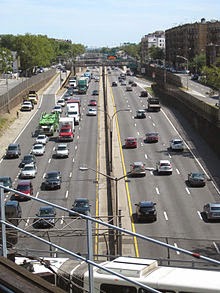
Lower Speed Limit and Save Lives?
We leave no soldier on the battlefield, but this military value cannot be viewed in isolation. We are told this week by our commander-in-chief and his acolytes that rescuing a captured soldier is worthy regardless of the price. We are told that negotiating with terrorists, breaking the law by not notifying congress and the release of 5 hardened Taliban detainees is a reasonable price for the return of a captured sergeant. I feel that the price exacted was too high, although admittedly my view would be different if the sergeant were in my family. For those who argue that no price is too high to rescue one of our own, should we have surrendered to the Nazis in World War II in return for some captured U.S. soldiers? So, the noble principle of leaving no soldier on the battlefield is not absolute and needs context.
We want a secure nation, but at what price? There’s a tension in America between security and civil liberties that is ongoing. North Korea is a very secure state, but we wouldn’t be willing to pay the price that Korean citizens are forced to pay. We willingly tolerate some level of insecurity here in order to preserve our personal freedoms and rights.
We strive for quality medical care for all, but at what price? We expect timely access to medical specialists, diagnostic testing on demand, the newest medications, affordable prescriptions and second opinions on request. We don’t object to the price as someone else is picking up the bill. But the aggregate cost of rampant over-diagnosis and over-treatment affects every one of us. Decades of draining the system and providing medical care without limit and spending more money per capita than other nations that have healthier citizenry have exacted a heavy price called Obamacare. Like the military, we aim to rescue every patient. But, can we? What are we willing to give up to accomplish this mission?






.JPG &description=Leave+No+Patient+on+the+Battlefield)