 The latest data at the Henry J. Kaiser Family Foundation shows that there were 17,364 U.S. medical school graduates in 2011. These new doctors were taught the latest techniques in medical care.
The latest data at the Henry J. Kaiser Family Foundation shows that there were 17,364 U.S. medical school graduates in 2011. These new doctors were taught the latest techniques in medical care. While they all entered medicine with a desire to help people, compassion and empathy are sometimes not part of the curriculum — leading to the unfortunate belief in patients that their doctors just don’t care.
The Absence of Compassion in Medical Education
Emory University Medical Education says that medical schools have been the place for medical students to learn to be exceptional health care technicians. Taking histories, ordering tests, interpreting results and prescribing treatment were the focus of the medical school curriculum. What patients experienced was the delivery of high quality technical medicine, without the humane component of empathy.
It was not that students weren’t compassionate. But without the academic support, they were left to observe how their physician mentors behaved, many of whom were also taught an approach to health care delivery that maintained an emotional distance. The students retain their compassion internally but learn to not exhibit it outwardly to the patient.
The Effectiveness of Teaching Compassion
A study was performed and reported in Academic Medicine that examined the impact of teaching compassion as an element of health care delivery. Five medical schools participated with the goal of determining if participants were later perceived to be more humanistic teachers. The results showed that with an academic emphasis on humanistic medicine, the physicians were seen as more compassionate professionals.
The Accreditation Council for Graduate Medical Education (ACGME) in 1999 required medical schools to adopt a new emphasis on compassionate care and professionalism.
The Obstacles to the Expression of Compassion
Physicians feel compassion, but at the same time, must deal with a number of other emotions. A physician in a hospital speaking with a patient about a serious illness is also faced with:
- Managed care concerns
- Large patient loads
- HIPPA concerns
- History with similar patient diagnoses
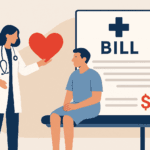
The effort to keep all of this organized in their mind, yet not displayed to the patient, leads patients to believe their doctor is not attentive to their needs. The expression of compassion in spite of all this is the ongoing challenge of any physician. While most people know when they can use get well cards, sympathy gifts or personal visits to those with an illness, the physician has limited options to express compassion. Sometimes, it is easier to be abrupt and move on to the next patient.
Helping Physicians Focus
Recently, the practice of mindfulness was introduced to the medical community. Mindfulness is about focusing on the current moment while not allowing all of the other thoughts to distract from that awareness.
A study reported in the Annals of Family Medicine involved 30 physicians who went through a short course about mindfulness. The physicians were then evaluated in three areas:
- Job satisfaction
- Quality of life
- Compassion toward patients
All participants showed a more positive score in each of these areas than before their mindfulness studies. After nine months, the physicians also showed less depression, stress and anxiety. Their feelings of burnout were also significantly less than those without mindfulness training. The study recommended this approach as a way to improve a physician’s ability to juggle many concerns and appear in a more compassionate light to patients.
(Medical education / shutterstock)