By using this site, you agree to the Privacy Policy and Terms of Use.
Accept
Health Works CollectiveHealth Works CollectiveHealth Works Collective
  • Health
    • Mental Health
  • Policy and Law
    • Global Healthcare
    • Medical Ethics
  • Medical Innovations
  • News
  • Wellness
  • Tech
Search
© 2023 HealthWorks Collective. All Rights Reserved.
Reading: Preventing Contamination In Healthcare Facilities Starts With Hygiene
Share
Notification Show More
Font ResizerAa
Health Works CollectiveHealth Works Collective
Font ResizerAa
Search
Follow US
  • About
  • Contact
  • Privacy
© 2023 HealthWorks Collective. All Rights Reserved.
Health Works Collective > Policy & Law > Global Healthcare > Preventing Contamination In Healthcare Facilities Starts With Hygiene
Global HealthcareInfographics

Preventing Contamination In Healthcare Facilities Starts With Hygiene

Stop outbreaks at the source: Why consistent hand hygiene, surface disinfection, and PPE are non-negotiable in protecting vulnerable patients.

Annie Qureshi
Annie Qureshi
Share
3 Min Read
healthcare facilities
Microsoft Stock Images
SHARE

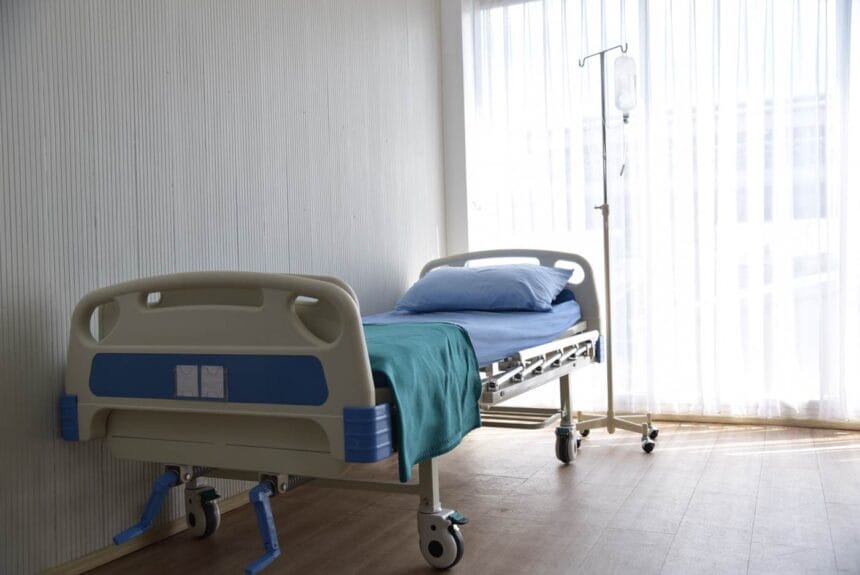
Preventing contamination in healthcare environments is a constant priority. Surfaces, equipment, clothing, and even the air can carry infectious agents. In settings where patients are vulnerable and medical staff are constantly in motion, hygiene protocols form the first and last line of defense. Without consistent attention to cleanliness, even routine procedures can lead to unnecessary risk.

Contents
  • The Importance of Hand Hygiene
  • Surface and Equipment Disinfection
  • Linen and Clothing Hygiene
  • Maintaining a Safe Environment

The Importance of Hand Hygiene

Hand hygiene is still one of the most effective ways to prevent the spread of illness. It is not just about frequency, but technique and consistency. Healthcare workers touch dozens of surfaces and people each hour. Each point of contact becomes a potential transfer. Effective policies require washing or sanitizing before and after every patient interaction, after contact with bodily fluids, and after removing gloves. Compliance rates often fall short, so frequent training and visibility into hygiene behaviors remain necessary.

Surface and Equipment Disinfection

Surfaces in medical settings may look clean but can harbor dangerous microbes. Bed rails, doorknobs, carts, monitors, and shared tools all contribute to cross-contamination if not properly sanitized. Disinfectants must be used according to their intended dwell times and reapplication schedules. Disposable covers and single-use supplies are part of the strategy, but they are not substitutes for disciplined cleaning practices.

Linen and Clothing Hygiene

Hospital linens, gowns, and staff uniforms can also spread contaminants if not cleaned correctly. Temperature-controlled washing and separation of soiled items are standard, but maintaining consistency at scale is difficult. Partnering with a reliable wash and fold laundry service allows facilities to uphold hygiene standards while offloading logistical burdens. This ensures that contaminated fabrics are not processed alongside clean ones and that they meet healthcare-grade sanitation thresholds.

More Read

Dehydration Poses Serious Risks For Older Adults
Why Dehydration Poses Serious Risks For Older Adults
Vaccines in the Pipeline and Vaccine Economics
NCD Prevention in India: Setting an Example
European Obesity Drug and Device Markets
We Are Ruining Our Children’s Future Health

Maintaining a Safe Environment

Every part of a healthcare facility contributes to its overall hygiene profile. Clean hallways, well-maintained HVAC systems, safe disposal practices, and proper food handling are all part of reducing exposure. Training is essential, but reinforcement through signage, audits, and accessible resources ensures long-term habit formation.

Cleanliness in healthcare settings is not just about compliance. It is about creating an environment where healing is possible and risk is minimized. With consistent hygiene practices, supported by reliable partnerships and informed staff, facilities can reduce the likelihood of contamination and improve safety for everyone inside. Check out the infographic below to learn more.


TAGGED:hand hygienehealthcare facilitiespreventing contamination
Share This Article
Facebook Copy Link Print
Share

Stay Connected

1.5KFollowersLike
4.5KFollowersFollow
2.8KFollowersPin
136KSubscribersSubscribe

Latest News

patient care
Independent Practices Must Keep Human Connection at the Core of Patient Communication
Health
April 29, 2026
6 Best ABA Software Tools That Help Clinics Reduce Administrative Work
Hospital Administration Medical Innovations
April 29, 2026
Best Video Systems for Health Care
How to Choose the Best Video Systems for Health Care
Global Healthcare Technology
April 22, 2026
How Workplace Hygiene Impacts Community Health Outcomes 
Health
April 21, 2026

You Might also Like

BusinessGlobal Healthcare

CVAC Wellness Systems Has Developed a Natural Method for Enhancing Physical Condition

December 20, 2011

Coal Plant Clean-Up: Health Benefits Exceed Industry Costs

December 2, 2011
Image
BusinessGlobal HealthcareHealth Reform

Paying Bills: A Novel Idea in Southern Europe

June 28, 2013
Global HealthcareMedical Education

How To Choose A Private Stem Cell Clinic Without Being A Fraud Victim

February 26, 2019
Subscribe
Subscribe to our newsletter to get our newest articles instantly!
Follow US
© 2008-2025 HealthWorks Collective. All Rights Reserved.
  • About
  • Contact
  • Privacy
Welcome Back!

Sign in to your account

Username or Email Address
Password

Lost your password?