By using this site, you agree to the Privacy Policy and Terms of Use.
Accept
Health Works CollectiveHealth Works CollectiveHealth Works Collective
  • Health
    • Mental Health
  • Policy and Law
    • Global Healthcare
    • Medical Ethics
  • Medical Innovations
  • News
  • Wellness
  • Tech
Search
© 2023 HealthWorks Collective. All Rights Reserved.
Reading: Beyond Nutrition: Everyday Foods That Support Whole-Body Health
Share
Notification Show More
Font ResizerAa
Health Works CollectiveHealth Works Collective
Font ResizerAa
Search
Follow US
  • About
  • Contact
  • Privacy
© 2023 HealthWorks Collective. All Rights Reserved.
Health Works Collective > Health > Beyond Nutrition: Everyday Foods That Support Whole-Body Health
HealthInfographics

Beyond Nutrition: Everyday Foods That Support Whole-Body Health

Nourish more than your body—fuel your health with everyday healing foods! 🍠🥦 Simple bites, big benefits. #FunctionalNutrition

Aaron Barriga
Aaron Barriga
Share
3 Min Read
beyond nutrition
Microsoft Stock Images
SHARE

Access to healthcare is not a uniform experience. For marginalized and underserved populations, securing even basic medical services can involve barriers that those in well-resourced communities rarely face. From geography and income to discrimination and systemic disconnection, these obstacles compound over time, resulting in disproportionate rates of chronic illness, reduced life expectancy, and poor mental health outcomes.

Contents
  • The Impact of Place and Policy
  • Invisible Labor, Essential Support
  • Equity Requires Infrastructure

The Impact of Place and Policy

Where someone lives still plays an outsized role in their access to care. Rural areas often lack sufficient medical professionals, specialists, and clinics. Public transportation may be limited or nonexistent, forcing residents to rely on infrequent or costly alternatives to reach faraway health centers. In urban areas, the concentration of services might appear high, but insurance restrictions, long wait times, and distrust shaped by past negative experiences reduce the likelihood that residents will seek or continue care.

Policy decisions can either close or widen these gaps. Medicaid expansion, for instance, has led to increased coverage in some states, while others have held back, leaving low-income adults without options. Programs that support community clinics or extend telehealth services into remote zip codes have shown promise, but scale remains limited. Language access, cultural sensitivity, and continuity of care are additional layers that often go unaddressed in mainstream systems.

Invisible Labor, Essential Support

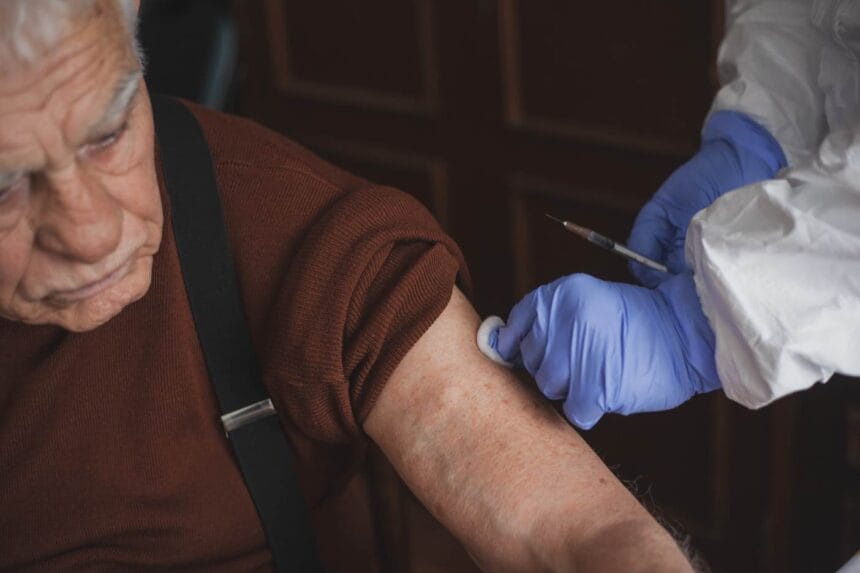
Many families rely on informal caregiving to support their loved ones, especially older adults or people living with disabilities. In lower-income households, this responsibility may fall to a relative who must juggle employment, transportation, and care responsibilities without outside support. Programs that recognize the role of a paid family caregiver offer meaningful relief and increase the chances that vulnerable individuals can remain in their homes safely and with dignity. However, access to such support varies widely by location and policy structure.

More Read

travel nurse
How To Start A Career As A Travel Nurse: A Step-By-Step Guide
Why is Financial Management in Healthcare Important, and What Role do Nursing Leaders Play in This?
The 4 Steps To Take If You Get Sick While Living As An Expat
6 Ways to Improve Patient Satisfaction Within Hospitals
Beyond the Clinic: Medical Surveys Are a Roadmap to Passive Income for Doctors

Equity Requires Infrastructure

Solving these access gaps is not just about expanding clinics or recruiting more staff. It requires a focus on structural equity. This includes recognizing the health impact of housing, food security, childcare, and employment. It means investing in public health programs that listen to the communities they serve and adapt based on feedback and results. Incentives for providers to serve high-need areas, along with technology that can bridge gaps without creating new ones, are essential.

Healthcare systems that commit to equity cannot afford to overlook those who live in the margins. The cost of inaction is measured in preventable disease, family instability, and avoidable death. True progress means everyone, regardless of income, race, ZIP code, or citizenship status, can access care that treats them as a person, not a problem. Look over the infographic below to learn more.

Infographic Embed Code:

TAGGED:nutrition
Share This Article
Facebook Copy Link Print
Share
By Aaron Barriga
Follow:
Aaron Barriga is the online marketing manager for Insight Vision Center. With a knack for understanding medical procedures, and an interest in eye and vision health, Aaron loves to share what he knows and what he learns. He blogs to inform readers about the latest eye care technology and other topics related to eye care, especially LASIK. Aaron loves collecting coasters from the different bars and restaurants he visits during his travels.

Stay Connected

1.5KFollowersLike
4.5KFollowersFollow
2.8KFollowersPin
136KSubscribersSubscribe

Latest News

The Clinical and Interpersonal Skills That Define Excellence in Patient-Centered Care
Health
June 2, 2026
The Advanced Nursing Credentials That Open Doors to Leadership Roles
Nursing
June 2, 2026
The Advanced Practice Nursing Roles Worth Knowing About Before You Specialize
Nursing
June 2, 2026
Language Access in Healthcare: What Hospitals Still Get Wrong in 2026
Hospital Administration Technology
May 29, 2026

You Might also Like

Symptoms
Health

10 Seemingly Innocent Symptoms That Could Signal an Underlying Illness

January 31, 2024
How Can Brain Injury Lead To Dangerous Long-Term Effects?
Health

How Can Brain Injury Lead To Dangerous Long-Term Effects?

August 29, 2022
take the right steps to fight brain fog
Health

How to Get Rid of Brain Fog & Reduce Memory Loss

May 10, 2022
Sleep Disorders
Global HealthcareHealth

Using Valerian Root and Melatonin Together for Sleep Disorders

October 13, 2021
Subscribe
Subscribe to our newsletter to get our newest articles instantly!
Follow US
© 2008-2025 HealthWorks Collective. All Rights Reserved.
  • About
  • Contact
  • Privacy
Welcome Back!

Sign in to your account

Username or Email Address
Password

Lost your password?