Anxiety, panic attacks, depression and sleep disorders are at an all-time high, and it’s not hard to see why. Professionals are under intense economic pressure in 2023, and the landscape doesn’t appear to be improving. Combine that with social media culture and the rise of online envy, and it becomes apparent that we are in an epidemic.
Here is an overview of anxiety in young adults, plus some tips for improving your anxiety naturopathically.
Young Professionals Are Suffering From Anxiety at an Unprecedented Clip
Anxiety is a mental health disorder that affects people of all ages and backgrounds. However, recent studies have shown that young professionals are particularly susceptible to anxiety. In fact, research indicates that the percentage of young professionals suffering from anxiety has been on the rise in recent years.
One of the primary reasons for this increase is the high-pressure environment that many young professionals find themselves in. Housing costs are up, interest rates are high, places with the best jobs often have the worst public schools (or the most expensive private schools), and we have more distrust in our government than ever before.
More Read

According to a survey conducted by the American Psychological Association, 48% of millennials report experiencing anxiety or depression, and 75% of them said that work was a significant source of stress. Similarly, a study by the Mental Health Foundation found that 74% of adults between the ages of 18 and 34 have felt so stressed that they have been overwhelmed or unable to cope. Take the recent tech layoffs in Silicon Valley, for instance – the tech employment bubble is bursting, leading many young engineers and project managers to seek anxiety therapy from a naturopathic doctor, functional medicine practitioner, nutritionist, or other holistic health professional.
The consequences of anxiety among young professionals can be significant, including decreased productivity, absenteeism, and even job loss. Therefore, it is crucial that employers prioritize the mental health of their employees and provide resources and support for those struggling with anxiety.
Anxiety Causes Tangible Health Problems
Anxiety is a mental health disorder that can have significant health ramifications if left untreated. Anxiety can affect a person’s physical, emotional, and psychological health, and can impact their quality of life in many ways.
One of the most common physical health consequences of anxiety is sleep disturbance. Anxiety can make it difficult to fall asleep or stay asleep, leading to insomnia and daytime fatigue. This lack of sleep can further exacerbate feelings of anxiety, creating a vicious cycle.
Anxiety can also cause digestive issues, including stomach pain, diarrhea, and nausea. These symptoms are related to the body’s stress response, which can activate the “fight or flight” response and trigger the release of stress hormones that affect digestion.
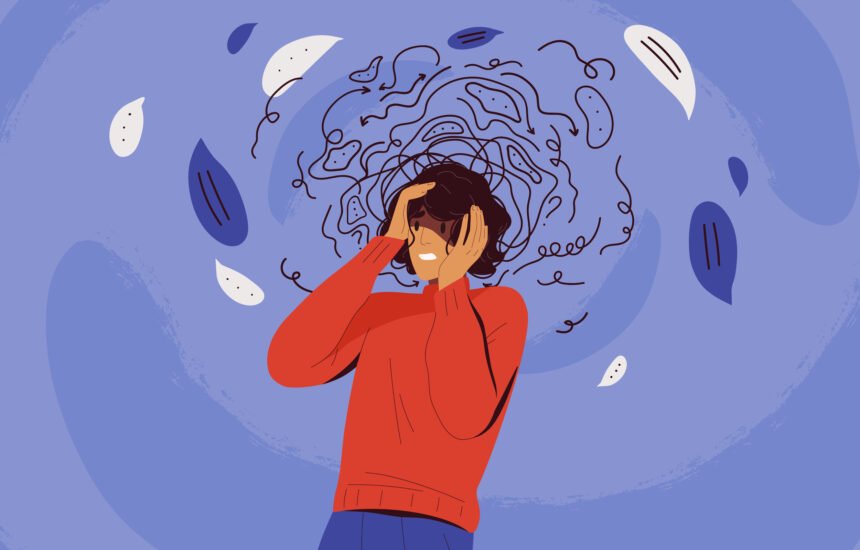
In addition to physical symptoms, anxiety can also impact a person’s emotional and psychological health. Anxiety can lead to feelings of irritability, restlessness, and difficulty concentrating. It can also cause feelings of fear or panic, which can be overwhelming and debilitating.
Anxiety can also increase the risk of developing other mental health disorders, such as depression or substance abuse. Furthermore, chronic anxiety can increase the risk of developing cardiovascular disease and other chronic health conditions.
Naturopathic Remedies Can Help Symptoms With Side Effects
If you suffer from anxiety, and especially if you are dealing with panic attacks, you need to address the issue head-on. However, you probably don’t want to become dependent on pharmaceuticals. These methods can help without the side effects, and it’s always recommended that you consult with a functional medicine doctor before you start to self-diagnose.
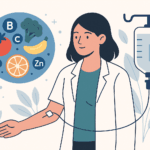
Some herbal supplements, such as chamomile and valerian root, have been shown to have a calming effect on the body and may reduce anxiety symptoms. Ginger is another popular holistic remedy that many doctors recommend. Regular exercise can help reduce stress and anxiety by releasing endorphins, which are feel-good hormones that promote a sense of well-being. Mindfulness practices, such as meditation and yoga, can also help reduce anxiety by promoting relaxation and reducing stress levels. Perhaps most importantly, a healthy diet that includes plenty of fruits, vegetables, and whole grains can help reduce inflammation in the body, which has been linked to anxiety.
You’re Not Alone, and You Can Address the Problem
There’s no need to suffer from anxiety on your own. Seek out medical help, and do your best to avoid dependence on costly and addictive pharmaceutical products.