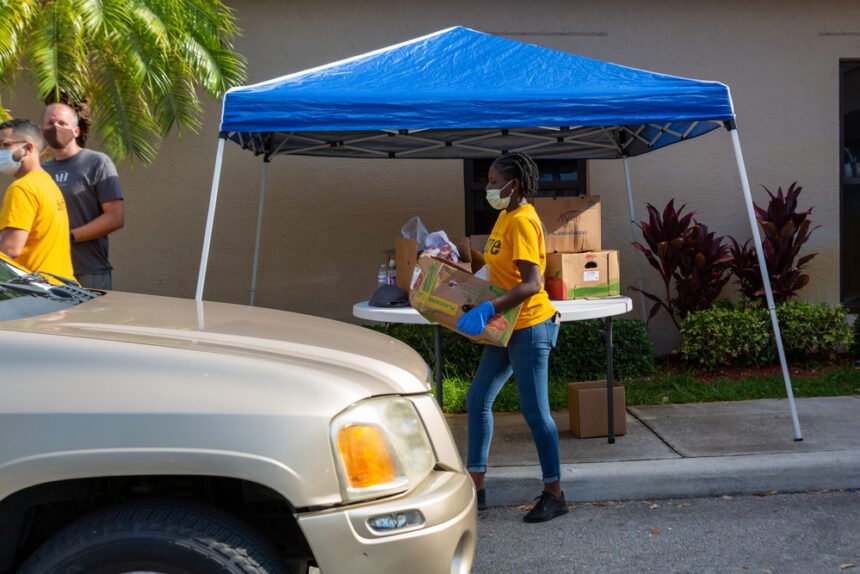
A common and growing trend in the United States and globally is a lack of access to food. Food Insecurity, as it is called, threatens many households globally. Taking action at both the local community level and the global level, even in the smallest ways can make a world of difference for an individual suffering from food insecurity and hunger. This article will discuss a handful of philanthropic ways to address the growing problem of food insecurity.
What Is Food Insecurity?
Feeding America, a leading nonprofit that combats food insecurity in the US, defines food insecurity as “a household’s inability to provide enough food for every person to live an active, healthy lifestyle. According to the US Department of Agriculture (USDA), the difference between hunger and food insecurity is that hunger is an individual-level physiological response while food insecurity is a household-level socio-economic condition that stems from limited or uncertain access to food. Food insecurity can lead to hunger.
How Food Insecurity Impacts The Community
In the United States alone, roughly 35 million households suffered from hunger in 2019, while nearly 15 million homes were food insecure in 2018. Due to the coronavirus pandemic, Feeding America estimates that 50 million homes could be food insecure by the end of 2020. Globally an estimated 821 million individuals suffer from hunger, according to the United Nations. Food insecurity hinders child development, increases risk of chronic health conditions like asthma and anemia and hurts the mental, physical and behavioral health of children. For adults, food insecurity has been linked to many illnesses including diabetes and heart disease. In both populations, food insecurity hurts future economic prosperity.
How Can Philanthropy Be A Solution To Food Insecurity?
While there isn’t one single way to combat food insecurity, philanthropy offers direct and measurable outcomes and there are many ways people and organizations contribute their time, money and expertise to fight food insecurity. Philanthropic organizations including nonprofits and NGOs are tackling food insecurity in a myriad of ways.

These initiatives work on food access, that is making sure households and individuals have access to healthy food. They also focus on food recovery, meaning keeping food out of landfills as well as some of the root causes of food insecurity, namely poverty and joblessness. This latter point is an emerging trend in the battle against food insecurity, as addressing the root causes helps to curb the future possibility of food insecurity re-emerging for an individual or household.
How To Combat Food Insecurity In Your Community
With food insecurity on the rise in the United States and globally, now is as important a time as ever to get involved to fight food insecurity in your own neighborhood. Though far from exhaustive, this list of activities below make a meaningful difference to curb hunger and food insecurity.
Volunteer at a food bank: Food banks store and distribute millions of pounds of food into the community. They typically need help sorting through food donations and “inventory” to get items prepared to be delivered to community members or food pantries.
Organize a food drive: Collecting items to be sent to a local food bank or to a specific person or family in need is a great way to engage others around tackling food insecurity.
Plant a community garden: According to Feeding America, 23% of food insecure individuals in the United States grow some of their own food. Depending on where you live, gardens can be a great year-round or seasonal source of nutrition.
Support an existing nonprofit: Feeding America and Mary’s Meals are two leading nonprofits that have a vast network of partners across the globe. Donate, either monetarily or with your time or skills to support their efforts. Pay special attention to nonprofits that prioritize ending poverty as an intervention to ending food insecurity.
Advocate for school lunch programs: Subsidized lunch programs offer free or low-cost lunches to students. Sometimes this is the only meal children will get in a day. Push to keep school lunch programs active.
Doing Your Part
Whether supporting a nonprofit, building an initiative in your own back yard like a community garden or food drive or something else, taking just one small action to help end food insecurity makes a difference.