We use cookies, including third-party cookies from Google to serve personalized ads through AdSense, to operate this site and understand how it is used. By continuing to browse, you accept this use. See our Privacy Policy and Terms of Use for details, including how to opt out of personalized advertising.
Accept
Health Works CollectiveHealth Works CollectiveHealth Works Collective
  • Health
    • Mental Health
  • Policy and Law
    • Global Healthcare
    • Medical Ethics
  • Medical Innovations
  • News
  • Wellness
  • Tech
Search
© 2023 HealthWorks Collective. All Rights Reserved.
Reading: Physicians Too Aggressive in Ordering Prostate Screenings
Share
Notification Show More
Font ResizerAa
Health Works CollectiveHealth Works Collective
Font ResizerAa
Search
Follow US
  • About
  • Contact
  • Privacy
© 2023 HealthWorks Collective. All Rights Reserved.
Health Works Collective > Diagnostics > Physicians Too Aggressive in Ordering Prostate Screenings
Diagnostics

Physicians Too Aggressive in Ordering Prostate Screenings

Anthony Cirillo
Anthony Cirillo
Share
2 Min Read
SHARE
Many elderly men may be undergoing unnecessary—and perhaps complicating—prostate cancer screenings, according to a study on the use of prostate-specific antigen (PSA)-based screening methods in the United States. Researchers reported that nearly half of men in their seventies underwent PSA screening in the past year, almost double the screening rate of men in their early fifties.
Many elderly men may be undergoing unnecessary—and perhaps complicating—prostate cancer screenings, according to a study on the use of prostate-specific antigen (PSA)-based screening methods in the United States. Researchers reported that nearly half of men in their seventies underwent PSA screening in the past year, almost double the screening rate of men in their early fifties. Men aged 85 and older were screened just as often as men in their early fifties.

Researchers said in a release: “We’re concerned these screenings may prompt cancer treatment among elderly men who ultimately have a very low likelihood of benefiting the patient and paradoxically can cause more harm than good.”

Potential complications include incontinence, impotence, and bowel dysfunction, according to researchers.
  • The PSA screening rate was 24% in men ages 50 to 54, increasing with age until a peak of 45.5% in ages 70 to 74.
     
  • Screening rates then declined with age, with 24.6% of men 85 or older reporting being screened.
The researchers suggested that physicians should be more selective in recommending PSA testing for older men, particularly those with a limited life expectancy.

I agree with the researchers that the side effects of the test, especially if there is no cancer, out weigh the benefit. Though I also sense some age bias going on as well. What is not said is what they are thinking, essentially these people are going to die soon anyway so why go through costly and needless treatments. That is fine until it is your family member or yourself facing a diagnosis.


TAGGED:diagnosticsprostate screenings
Share This Article
Facebook Copy Link Print
Share

Stay Connected

1.5KFollowersLike
4.5KFollowersFollow
2.8KFollowersPin
136KSubscribersSubscribe

Latest News

Flat editorial illustration: Healthcare ethics-and-law training, shown through a coached clinical role-play where structured disc
Medical Ethics and the Law: The Training Behind Professionals Who Resolve Healthcare Disputes
Uncategorized
November 6, 2026
Flat editorial illustration: The article connects routine occupational health screening with early exposure detection and better
What Routine Workplace Health Monitoring in Medical Environments Actually Prevents
Uncategorized
November 6, 2026
Flat editorial illustration: The article contrasts structured prelicensure education with ongoing, practice-focused development f
Academic vs. Clinical Education: How Teaching Settings Shape Nursing Learners and Outcomes
Uncategorized
November 6, 2026
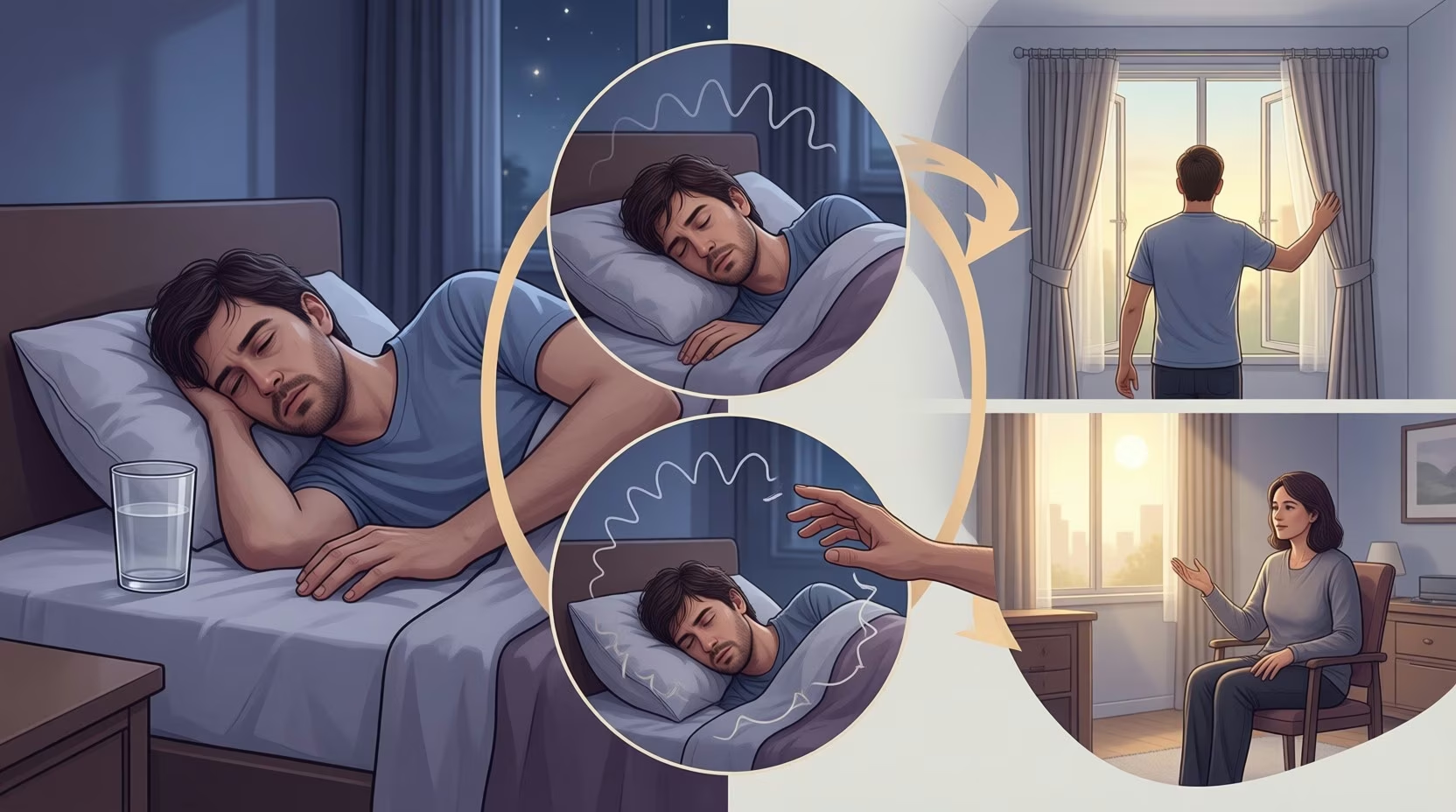
Flat editorial illustration: Health-editorial illustration of the two-way relationship between substance use and disrupted sleep,
How Sleep Disruption Feeds the Addiction Cycle and What You Can Do About It
Addiction Recovery Mental Health Wellness
November 6, 2026

You Might also Like

Image
DiagnosticsNewsTechnology

IBM’s Super Computer, Watson , Goes to Medical School: Artificial Intelligence in Clinical Decision Support

February 28, 2013

“Tomosynthesis” a Key Area of Focus at RSNA 2013

December 6, 2013

First Light Develops Screening to Prevent Infections

March 11, 2011
DiagnosticsMedical EducationMedical EthicsPublic Health

Lack of Listening Is the Core Problem in American Health Care

April 17, 2014
Subscribe
Subscribe to our newsletter to get our newest articles instantly!
Follow US
© 2008-2026 HealthWorks Collective. All Rights Reserved.
  • About
  • Contact
  • Privacy
Welcome Back!

Sign in to your account

Username or Email Address
Password

Lost your password?