By using this site, you agree to the Privacy Policy and Terms of Use.
Accept
Health Works CollectiveHealth Works CollectiveHealth Works Collective
  • Health
    • Mental Health
  • Policy and Law
    • Global Healthcare
    • Medical Ethics
  • Medical Innovations
  • News
  • Wellness
  • Tech
Search
© 2023 HealthWorks Collective. All Rights Reserved.
Reading: Protecting Your Brain Through The Decades: Strategies For Lifelong Cognitive Health
Share
Notification Show More
Font ResizerAa
Health Works CollectiveHealth Works Collective
Font ResizerAa
Search
Follow US
  • About
  • Contact
  • Privacy
© 2023 HealthWorks Collective. All Rights Reserved.
Health Works Collective > Health > Protecting Your Brain Through The Decades: Strategies For Lifelong Cognitive Health
HealthInfographics

Protecting Your Brain Through The Decades: Strategies For Lifelong Cognitive Health

Your brain deserves lifelong care! Explore effective strategies to enhance cognitive health and protect your mind for decades to come.

Aaron Barriga
Aaron Barriga
Share
2 Min Read
Cognitive Health
Licensed Photo from DepositPhotos - 683541652
SHARE

The brain is an incredible organ that governs everything from memory to movement, and protecting it is vital at every stage of life. As people age, natural changes occur in the brain, but maintaining cognitive health is possible with proactive steps. Healthcare professionals play a critical role in guiding patients toward habits that promote brain health over the decades.

Contents
  • Focus on Nutrition and Physical Activity
  • Prioritize Mental and Social Engagement
  • Support Rest and Stress Management

Focus on Nutrition and Physical Activity

Nutrition and physical activity are foundational to brain health. A diet rich in antioxidants, healthy fats, and vitamins supports cognitive function. Foods like leafy greens, berries, nuts, and fish are especially beneficial. Coupled with regular physical activity, these habits boost blood flow to the brain and encourage neuroplasticity. These choices can reduce the risk of conditions that affect cognition, including cardiovascular disease and dysautonomia, which can have complex neurological impacts.

Prioritize Mental and Social Engagement

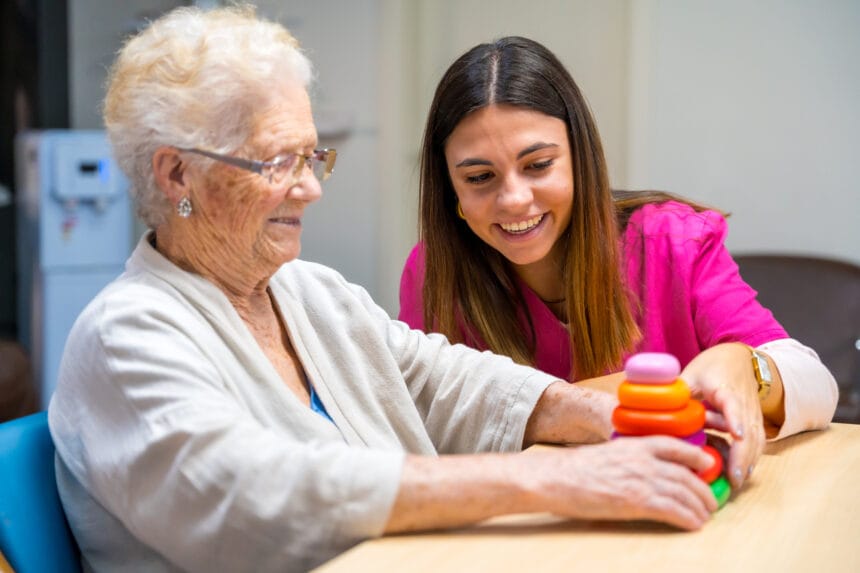
Staying mentally and socially active is essential for preserving brain health. Encourage patients to challenge their minds with activities like puzzles, learning new skills, or engaging in creative hobbies. Social interactions also stimulate cognitive functions, reducing the risk of age-related decline. Strong community ties can significantly impact mental well-being and cognitive resilience.

Support Rest and Stress Management

Quality sleep and stress management are key to brain protection. Sleep allows the brain to repair itself, consolidate memories, and clear toxins. Chronic stress, on the other hand, can accelerate cognitive decline by affecting areas like the hippocampus. Teaching patients relaxation techniques, such as meditation or deep breathing, can make a significant difference.

More Read

post-surgical recovery
Your Guide To Key Milestones In At Home Post-Surgical Recovery
DEI Challenges for Neurodivergent Workers in Healthcare
Gut Health in Athletes: Nutrition, Hydration, and Performance Optimization
Treating Accidental Spinal Cord Injuries with Technology
Why Front Desk Delays Continue To Challenge Urban Healthcare Clinics

Protecting the brain requires a lifelong commitment to healthy habits. With consistent effort, individuals can support their cognitive health, ensuring they continue to thrive across the decades. As healthcare professionals, promoting these strategies empowers patients to take charge of their brain health and overall well-being. For more information, feel free to check out the accompanying resource.


TAGGED:cognitive health
Share This Article
Facebook Copy Link Print
Share
By Aaron Barriga
Follow:
Aaron Barriga is the online marketing manager for Insight Vision Center. With a knack for understanding medical procedures, and an interest in eye and vision health, Aaron loves to share what he knows and what he learns. He blogs to inform readers about the latest eye care technology and other topics related to eye care, especially LASIK. Aaron loves collecting coasters from the different bars and restaurants he visits during his travels.

Stay Connected

1.5KFollowersLike
4.5KFollowersFollow
2.8KFollowersPin
136KSubscribersSubscribe

Latest News

The Riskiest Part of Getting Sick Isn't the Diagnosis. It's the Handoff
The Riskiest Part of Getting Sick Isn’t the Diagnosis. It’s the Handoff
Health
July 20, 2026
Patient Acquisition and digital-marketing
The Future of Patient Acquisition: Modern SEO & Digital Marketing for Dermatology Practices
Health Marketing Medical Innovations Technology
July 20, 2026
a person putting a bandage on a woman s head
The Long-Term Health Consequences of Untreated Personal Injuries
Health care
July 17, 2026
medicare mistakes seniors usually make
The Hidden Healthcare Costs Seniors Should Plan For
Global Healthcare Senior Care
July 15, 2026

You Might also Like

boosting your metabolism may help slow aging
Health

The Miracle of Fast Metabolism: Slowing Down the Aging Process

August 13, 2023
broken hip recovery
Health

4 Ways to Recover from a Broken Hip

March 14, 2023
Chocolate Protein
FitnessHealth

Chocolate Protein: The Sweet Secret to a Healthy Body

October 6, 2022
understanding the teens burnout
HealthInfographics

Understanding Teen Burnout And Its Lasting Effects

April 14, 2026
Subscribe
Subscribe to our newsletter to get our newest articles instantly!
Follow US
© 2008-2026 HealthWorks Collective. All Rights Reserved.
  • About
  • Contact
  • Privacy
Welcome Back!

Sign in to your account

Username or Email Address
Password

Lost your password?