

The amount of sleep an adult needs varies from person to person and can depend on a number of factors, including age, lifestyle, and overall health. However, most adults need between 7 and 9 hours of sleep per night to function at their best.
The National Sleep Foundation recommends that adults aim for 7-9 hours of sleep per night, while the Centers for Disease Control and Prevention (CDC) recommends 7 or more hours. These recommendations are based on research that has shown that getting enough sleep is important for both physical and mental health.
The Benefits of Getting Enough Sleep
Getting enough sleep is essential for good health and well-being. Some of the benefits of getting enough sleep include:
- Improved memory and cognitive function: Sleep helps consolidate memories and allows the brain to process and organize information. Research has shown that people who get enough sleep tend to perform better on tasks that require attention, concentration, and problem-solving skills.
- Improved physical health: Sleep is important for the repair and restoration of the body. During sleep, the body produces proteins and other substances that help protect against infection and disease. Getting enough sleep can also help reduce the risk of developing conditions such as obesity, diabetes, and heart disease.
- Improved mood and mental health: Sleep is important for regulating mood and emotional well-being. People who get enough sleep tend to be more alert, focused, and productive, and are less likely to experience mood disturbances such as irritability, anxiety, and depression.
Factors That Affect Sleep Needs
There are several factors that can affect an individual’s sleep needs, including:
More Read
- Age: As we age, our sleep needs change. Babies and young children need more sleep than adults, while older adults may need less sleep. The National Sleep Foundation recommends the following sleep ranges for different age groups:
- Infants (4-12 months): 12-16 hours per day
- Children (1-2 years): 11-14 hours per day
- Children (3-5 years): 10-13 hours per day
- Children (6-12 years): 9-11 hours per day
- Teens (14-17 years): 8-10 hours per day
- Adults (18-64 years): 7-9 hours per day
- Older adults (65+ years): 7-8 hours per day
- Lifestyle: A person’s lifestyle can also affect their sleep needs. People who engage in physical activity or who have physically demanding jobs may need more sleep to allow their bodies to recover. Similarly, people who have irregular work schedules or who travel frequently may find it difficult to maintain a consistent sleep schedule, which can affect their sleep needs.
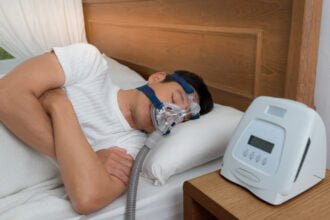
- Health conditions: Certain health conditions can also affect sleep needs. For example, people with sleep disorders such as insomnia or sleep apnea may need more sleep to feel rested and alert during the day. On the other hand, some medications and medical treatments may disrupt sleep, leading to a need for more or less sleep.
Tracking Your Sleep
There are many different sleep tracking apps available, and each app has its own features and capabilities. Some popular sleep tracking apps include Sleep++, Basis and Pillow.
Meeting Your Sleep Needs
To meet your sleep needs, it is important to prioritize sleep and make it a priority in your daily routine. Some tips for getting enough sleep include:
- Establishing a consistent sleep schedule: Try to go to bed and wake up at the same time every day, even on weekends. This can help regulate your body’s internal clock and make it easier to fall asleep and stay asleep.
- Creating a relaxing bedtime routine: Spend the last hour before bed engaging in relaxing activities, such as reading or listening to soothing music. This can help prepare your body and mind for sleep.
- Make sure your bedroom is cool, dark, and quiet, and avoid screens (such as phones, laptops, and TVs) for at least an hour before bed. Invest in a bed temperature control system to regulate your sleep temperature all night long.
- Reduce stress: Practice relaxation techniques, such as deep breathing or meditation, to help reduce stress.