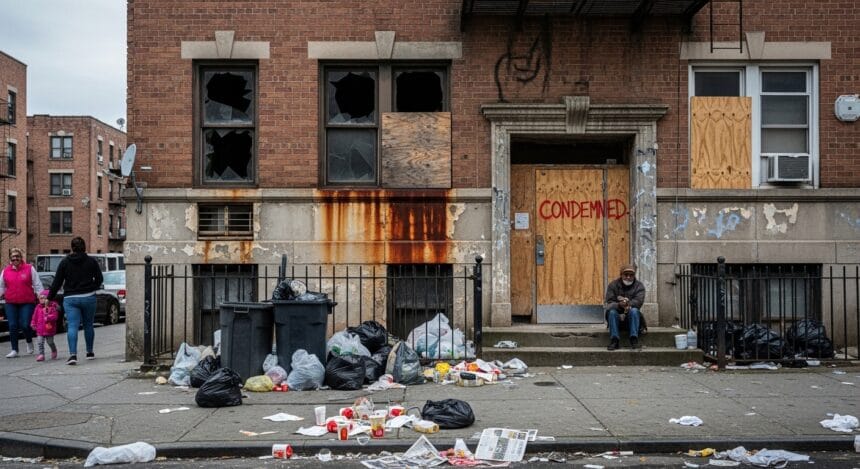
We have covered a lot of interesting topics since Ryan took over as head of Healthworks Collective 10 years ago. It is worth examining how structural integrity in residential buildings supports long term public health outcomes.
You may think of health care mainly as doctors and hospitals, yet homes also play a major role in preventing injuries and illness. A report from the Office of Disease Promotion and Health Promotion states that 37.1 million households were cost burdened, including renters and owners, and there are 17.6 million households that were severely cost burdened. Keep reading to learn more.
Structural Integrity and Public Health
You can see the connection between housing conditions and public health when homes are built with strong materials and proper safety standards. Something that often goes unnoticed is how stable structures reduce hazards such as fire risks, collapsing materials, and environmental exposure.
James Krieger, MD, MPH Seattle & King County and the Schools of Medicine and Public Health at the University of Washington wrote a paper published in PubMed explaining that each year in the United States 13.5 million nonfatal injuries occur in and around the home. There are also 2900 deaths from house fires annually and about 2 million emergency room visits for asthma related to housing conditions. It is also reported that one million young children have blood lead levels high enough to harm intelligence, behavior, and development.

You may notice that stronger housing design helps prevent structural failures that can lead to injuries or unsafe air quality. Another thing that matters is how insulation, ventilation, and moisture control influence respiratory health. There are many examples where poorly maintained housing contributes to mold growth and allergen exposure.
The National Institute of Health invests most of its nearly $48 billion budget in medical research for the American people. Something that often receives less attention is how preventive housing design can reduce the need for medical treatment. You can understand why researchers increasingly connect building standards with long term wellness.
You might also recognize that structural safety protects residents during storms, fires, and everyday household activities. Another thing that helps communities stay healthy is when building codes require smoke detectors, fire resistant materials, and stable foundations. There are many public safety programs that focus on these structural protections.
You may also see how safe housing affects families beyond physical injuries. Something that researchers discuss frequently is the stress created by unsafe or poorly maintained housing conditions. There are situations where overcrowding, unstable structures, and poor indoor air quality contribute to long term mental and physical health problems.
You might not always think about walls, roofs, and foundations when discussing public health. Another thing that becomes clear through research is how stable housing environments support safer living conditions for children, older adults, and families.
You can see that safe residential structures play a large role in preventing injuries, respiratory problems, and environmental exposure. There are many examples showing that better housing conditions support healthier communities over time.
Public health discussions often focus on hospitals, insurance systems, and clinical research. However, the condition of residential buildings plays a direct role in shaping health outcomes across communities. Housing quality influences respiratory health, injury rates, stress levels, and long term chronic disease patterns. When structural systems deteriorate, they create environments where moisture intrusion, air contamination, and temperature instability can develop. These conditions quietly affect families long before symptoms appear in a clinical setting.
In addition, local governments and health agencies increasingly recognize that preventive health measures extend beyond medical care. Stable housing reduces emergency room visits, supports mental wellbeing, and lowers healthcare expenditure tied to preventable illnesses. Structural integrity becomes part of a broader public health strategy rather than a purely construction concern. As cities expand and housing stock ages, maintaining sound building envelopes becomes essential for sustaining healthy communities.
Research in environmental health consistently shows that substandard housing correlates with higher rates of chronic illness and mental strain. Poor insulation, unnoticed leaks, and aging structural materials often coexist in older properties, amplifying health risks over time. When these issues persist, they create a cycle in which minor defects escalate into broader safety concerns. Addressing structural weaknesses early reduces the cumulative burden placed on families and healthcare providers while strengthening neighborhood resilience.
Roofing Systems as a Critical Protective Barrier
Among all structural components, the roof functions as the primary protective barrier between occupants and environmental exposure. It shields against precipitation, temperature extremes, wind driven debris, and airborne pollutants. When deterioration occurs, even minor breaches can allow water infiltration that fosters mold growth and microbial contamination. Over time, this compromises indoor air quality and contributes to respiratory complications, especially for children and older adults.
According to skqualityroofing.com, roof replacement becomes necessary when aging materials no longer provide adequate protection. Delaying roof replacement increases the likelihood of structural decay within insulation layers and framing systems, which can further degrade air circulation and humidity balance inside the home. Addressing these issues proactively reduces the risk of waterborne contaminants and minimizes costly secondary damage. Within a public health framework, maintaining roofing systems supports safer indoor environments and reduces exposure to preventable environmental hazards.
Beyond moisture control, updated roofing materials also improve ventilation efficiency and reflective performance. Modern systems are designed to manage heat absorption more effectively, which reduces strain on internal climate control systems. When protective barriers perform reliably, households experience fewer fluctuations in humidity and airborne irritants. Consistent environmental control reinforces overall wellness and prevents minor structural faults from evolving into health related emergencies.
Indoor Air Quality and Respiratory Risk
Indoor air quality directly correlates with structural soundness. When exterior barriers fail, moisture accumulates within walls and ceilings, creating conditions favorable for fungal growth. Mold spores and particulate matter circulate through ventilation systems, aggravating asthma and triggering allergic reactions. Poor air filtration combined with compromised insulation intensifies this cycle, particularly in densely populated neighborhoods where housing units share structural elements.
Furthermore, structural weaknesses often allow pests to enter living spaces. Rodents and insects introduce allergens and bacteria that further compromise indoor conditions. By investing in durable materials and routine inspections, property owners reduce these risks at the source. Public health professionals increasingly emphasize housing remediation as a preventive measure, since treating respiratory illness without correcting environmental triggers produces limited long term improvement.
Air exchange systems also depend on intact structural seals. When cracks and gaps form along roofing lines or attic spaces, unfiltered outdoor pollutants infiltrate interior environments. Fine particles from traffic emissions and industrial activity can accumulate indoors, especially in urban areas. Strengthening the building envelope limits uncontrolled air transfer and supports healthier breathing conditions for residents across age groups.
Energy Stability and Thermal Regulation
Structural integrity also influences thermal stability within residential spaces. Damaged building envelopes lead to heat loss in colder seasons and heat retention during warmer months. This fluctuation places strain on heating and cooling systems, increasing energy consumption and utility costs. For lower income households, elevated utility expenses can limit access to other essential needs, indirectly affecting nutritional quality and overall wellbeing.
Consistent indoor temperatures reduce the risk of heat related illness and cold induced stress, particularly among vulnerable populations. Elderly residents and young children face heightened susceptibility to temperature extremes. By ensuring that insulation, roofing materials, and exterior barriers remain intact, homeowners create more stable indoor climates. This stability supports cardiovascular health and reduces emergency incidents linked to environmental exposure.
Energy inefficiency also contributes to broader environmental strain, which in turn influences public health. Increased energy demand drives higher emissions from power generation in many regions. When buildings maintain proper insulation and structural sealing, they consume less energy and reduce overall environmental burden. Health systems benefit indirectly as communities experience fewer pollution related complications and improved living standards.
Injury Prevention and Structural Safety
Structural degradation increases the likelihood of physical injury. Water intrusion weakens support beams and ceiling materials, raising the risk of collapse or falling debris. Slippery surfaces caused by leaks create hazards that can result in fractures or head trauma. Preventive maintenance reduces these risks by identifying vulnerabilities before they escalate into emergencies.
Moreover, structural resilience becomes especially important in regions prone to severe weather events. Heavy rainfall, strong winds, and seasonal storms test the durability of roofing and support systems. Reinforcing structural components limits damage during extreme conditions and protects occupants from preventable harm. From a public health standpoint, injury prevention through building maintenance decreases strain on emergency services and hospital systems.
Routine structural assessments also enhance accountability among property owners and housing managers. When inspections identify early warning signs, corrective action can be scheduled without displacing residents unexpectedly. This proactive approach preserves both physical safety and psychological stability. Stable housing conditions reduce anxiety associated with sudden repairs or hazardous living environments.
Sustaining Health Through Responsible Infrastructure
Long term public health improvement depends on coordinated action across sectors. Housing policy, construction standards, and community education must align to prioritize structural safety. When property owners, builders, and policymakers treat housing integrity as a health determinant, communities experience measurable benefits. Reduced respiratory illness, fewer injury related hospitalizations, and lower energy burdens contribute to stronger population outcomes.
Investment in building maintenance supports not only individual households but broader healthcare systems. Preventive structural care reduces environmental triggers that contribute to chronic disease and acute medical events. By recognizing the connection between physical infrastructure and human health, communities establish a foundation for sustained wellbeing that extends far beyond clinical settings.
Public awareness campaigns and professional training programs can further reinforce these outcomes. When residents understand the health implications of delayed repairs, they are more likely to prioritize timely maintenance. Collaboration between public health departments and construction professionals strengthens data collection and resource allocation. Over time, responsible infrastructure management becomes an integrated component of community health strategy rather than a reactive measure.