Posture is indicative of a number of things. Some importance, perhaps too much, is placed on body language. How standing and sitting mean this or mean that. It can be read. People focus on how they present themselves, to look imposing, strong, relaxed. It’s part of the game of employment and relationships. There’s another point of emphasis within posture which is more important: your body’s health. When we work at a desk all day, bend and lift regularly, augment our bodies in weird positions to complete jobs, our posture can suffer. Sleeping awkwardly and other more passive causes can contribute too.
More and more people have been working from home. Over five million Canadians worked from home at the beginning of 2020. Many are happy with the arrangement, and will continue to work like this, want to continue like this. With more people sitting at home, the emphasis on and need to move – which commutes and office work, in general, promote and require – are lost. Injuries are occurring which were being helped or happened less often. There are reports of more foot pain injuries to British Columbia doctors than there were before, for example, because people are wearing shoes less often, including those who were wearing custom orthotics provided by medical professionals like those from a local Surrey chiropractor, so injuries aren’t being prevented. The body is being used and coped with differently. For posture, there’s increased stress on certain back and neck muscles, leading to a higher frequency of aches and pains.
Solutions aren’t too difficult to find, thankfully. Here are three examples to help with posture difficulties.
Massage
One obvious place to begin is with the experts. If you have a persistent pain, medical professionals can help parse out information about your habits and history and offer diagnoses and treatments. Massage, particularly deep-tissue massage, could be one route taken. This will help relieve tension, pain, and stress in muscles, improving blood circulation and movement, enabling recovery.
Exercises
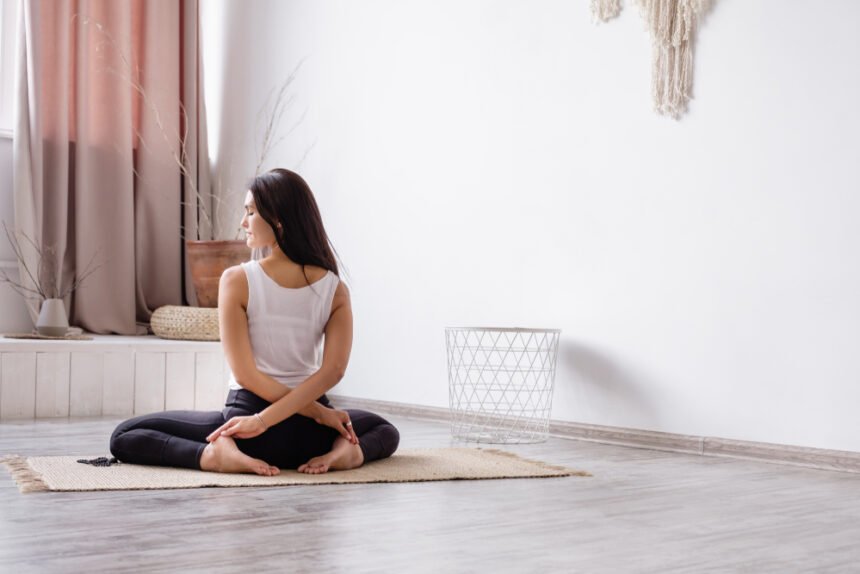
There are more active roles which can be incorporated into the daily routine. Exercises will help promote movement and strength. Yoga is an obvious place to go for such things. Poses you can ease yourself into and through – a steady progression as muscles accustom themselves to new and extended uses. Child’s pose, forward fold, cat cow, chest opener, downward facing dog, bridge – all effective poses.
Some days it’s not possible to carve out a piece of the day and dedicate that to exercising because there are the extras before and after which also take up the time. All you have a chance for is to move while sitting. You might even feel like you need to stretch out while at work, but you can’t get on the floor and do a child’s pose or downward facing dog because who has the gall to do that? Instead, there are seated exercises you can do, which can be effective, convenient, and, if you’re self-conscious, easier to conceal. A chest opening stretch is translatable to being seated, as are upper-body twists. In essence, any isolated stretches can be of use: arm stretches, neck stretches, ankle stretches, etc. You can move while sitting. Anything that helps is good.
Equipment
There are equipment alternatives, also. Standing desks and ergonomic chairs are becoming commonplace at offices in commercial buildings or in homes. They promote movement and good alignment. Posture correctors are finding a market too. However, these are not best used in isolation. It’s important to be consistent across a couple of solutions, so that there’s an environment and habit of good posture.