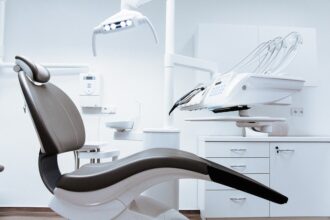
Walking into a dental clinic for the first time often brings a mix of emotions. For some, it’s a standard box to tick on a health checklist. For others, it’s a source of genuine apprehension. Whether it has been six months or six years since the last checkup, that first visit to a dental clinic serves as a critical reset point for long-term health. It isn’t just about looking for cavities; it’s about establishing a relationship with a professional team that understands the local lifestyle and specific health needs.
A positive first experience sets the tone for years of oral health. It’s the difference between someone who avoids the dentist until they are in agony and someone who views their dental team as a partner in their overall wellness.
Preparation and the Mental Game
Preparation isn’t just about remembering to floss five minutes before you leave the house. Honestly? We can tell if you only flossed once this morning. Don’t worry about it. What actually matters is your medical history and a bit of mental clarity.
When a clinic asks for your medical history, they aren’t just being nosy. Your mouth is a window to the rest of your body. If you’re on blood pressure meds, it might be causing dry mouth, which leads to more cavities. If you have a condition like diabetes, your risk for gum disease goes up. According to Healthdirect Australia, there is a significant link between gum health and systemic conditions like heart disease. It’s all connected.
More Read

Mentally, the best thing you can do is be ready to be honest. If you’re terrified of the drill, say it. If you haven’t seen a dentist in a decade, say it. A good team won’t judge you; they’ll just adjust their pace to match your comfort level. And if you’re looking for a specific practice like Macquarie Dental Care, you’ll find that the best ones are the ones that don’t rush you through the paperwork and actually listen to your ‘silly’ questions.
The Actual Exam: It’s Not Just About Cavities
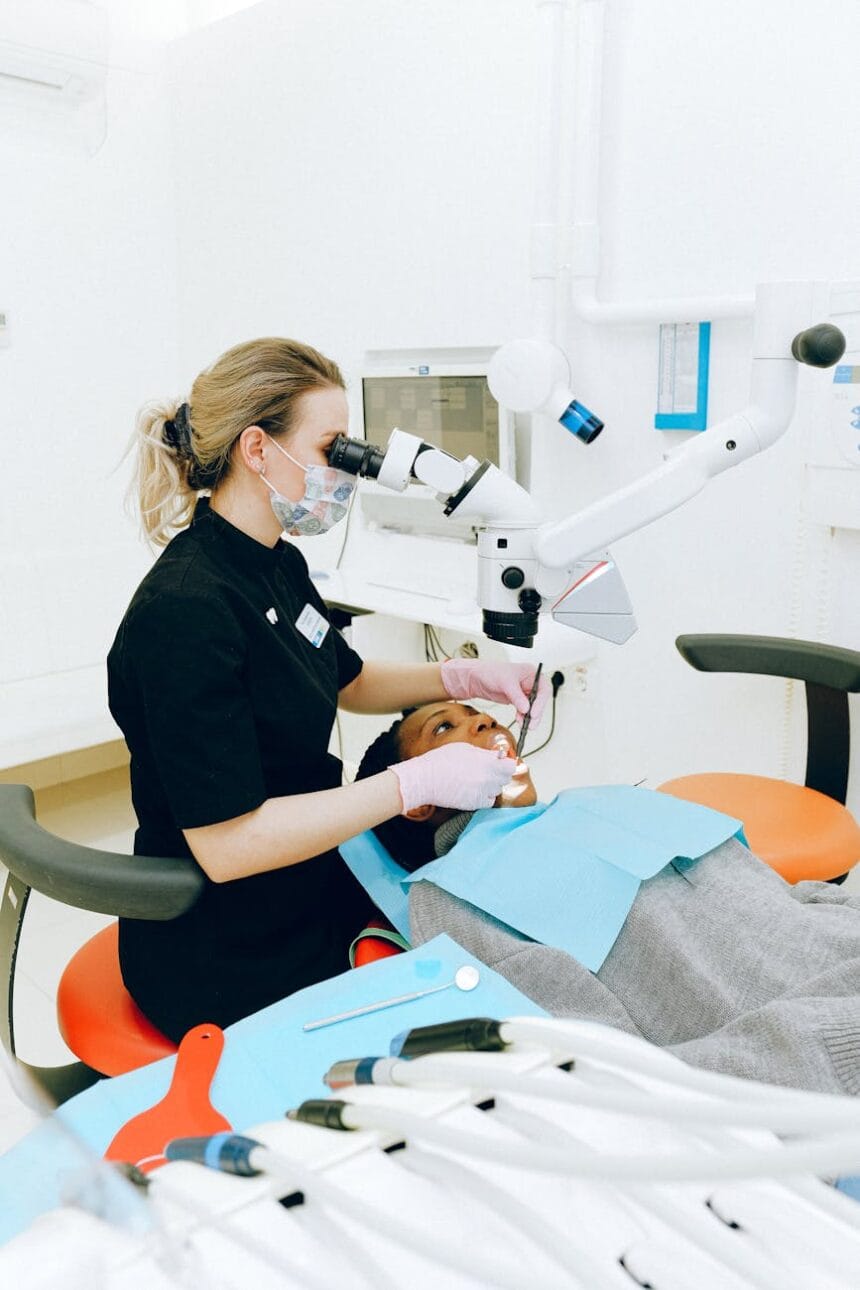
Once you’re in the chair, the process is pretty high-tech these days. Gone are the days of just poking around with a metal hook and hoping for the best. You’ll likely see digital X-rays and intraoral cameras. These are tiny cameras that let you see exactly what’s happening on a screen in front of you. It makes the whole “you have a cavity” conversation much more transparent when you can actually see the dark spot yourself.
The dentist is looking for a lot more than just holes in your teeth. They’re checking your “bite”—how your teeth fit together. If your bite is off, it can lead to chipped teeth or even chronic headaches. They’re also doing an oral cancer screening, which is a quick, painless check of the soft tissues in your mouth. It’s a standard part of a thorough exam that often goes unmentioned but is incredibly important.
Then there’s the cleaning. If you’re lucky, the clinic uses something like the EMS Airflow system. It’s a game-changer. Instead of that traditional, painful scraping, it uses a guided stream of warm water and fine powder to blast away plaque and stains. It’s much gentler on the gums and significantly faster. For anyone who hates the “nails on a chalkboard” feeling of traditional cleaning, this is the technology you should be looking for.
Deciphering the Treatment Plan
After the poking and prodding is done, the dentist will sit you up and talk through the findings. This is where you find out if you’re “all clear” or if there’s some work to be done.
The best approach is always preventive. It’s the difference between a small, cheap filling now or an expensive, complex root canal later. A professional team should be completely transparent about the costs and the “why” behind every recommendation. If they suggest a crown, ask why a filling won’t work. If they suggest a specific gum treatment, ask how your lifestyle (like that three-coffee-a-day habit) is contributing to it.
Managing the “After-Visit” Stress
If you do need more work, the anxiety doesn’t necessarily disappear just because the first visit is over. But now you have a plan. Building that trust with your dental team is a two-way street. After that first appointment, you should feel like you have a handle on what’s happening.
If you’re still nervous, ask about sedation options or “boutique” care approaches. Some clinics focus heavily on the environment—using a spa-like atmosphere to lower your heart rate. It’s not just about aesthetics; it’s a clinical tool to help patients stay calm so the dentist can do their best work.
Participation is also key. You’re the one who has to do the heavy lifting 363 days of the year. The dentist just checks your work twice a year. If they recommend a specific brush or a different flossing technique, give it a shot. It might save you a lot of time and money in the long run.
Local Life and Your Teeth
Living in the ACT, we have some unique factors. Our water is fluoridated, which is great for keeping teeth strong. But we also have a very high-paced, sometimes high-stress professional environment. Stress leads to teeth grinding, which leads to cracked teeth. If you’re waking up with a sore jaw, that first visit is the perfect time to mention it.
We also have a community that is increasingly diverse. A good local practice knows how to handle everyone, from kids getting their first checkup (where we want to build confidence, not fear) to seniors who might be looking at restorative work like crowns or bridges.
At the end of the day, your first visit is just a conversation about how to keep your smile functional and healthy. It shouldn’t be a source of dread. It’s an investment in your future self—the one who wants to keep eating steaks and smiling in photos for the next fifty years.
Once you find a team that clicks with your personality and your health needs, the whole process becomes a lot less daunting.