Recovery after a traumatic event or sequence of events can be extremely difficult to overcome. It can bring up feelings of loss, grief, shame, sadness, anger, rage, and other unexplained emotions. Those who have experienced trauma know just how difficult it can be to feel relief and to come out on the other side with hope and positivity.
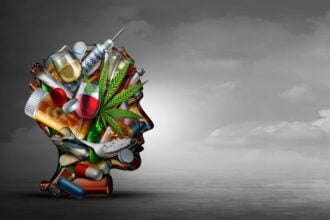
Those who have struggled with trauma may also be struggling with addiction to substances as well. The two are often interconnected as the individual tries to numb their feelings in hopes of forgetting about their grief. Alcohol, cocaine, heroin, ecstasy, inhalants, and over-the-counter prescription medications are all possible addictive substances. Addiction is considered a disease, which is why prompt treatment is needed.
Ahead, why trauma and addiction are linked — plus how effective programs treat both.
Why Trauma and Addiction Are Linked
A traumatic experience, or a series of experiences, can be the catalyst for a road of addiction. People often turn to substances to numb their pain, thinking that drugs or alcohol will improve their current situation. A drink here or there turns into several drinks within a short timespan. Before you know it, your thoughts are consumed by substances — how you can get it, when you can imbibe, and how to hide it.

However, substance abuse will not heal your trauma or cure your feelings. Self-medicating is a dangerous path, one that can lead to mood disorders, brain changes, physical ailments, and more.
Mood Disorders
Depression, anxiety, and post-traumatic stress disorder (PTSD) are all linked to individuals using substances for self-medication. Even if using these substances improves how you’re feeling in the short-term, overuse can worsen your mood. This is why many feel like they are stuck in a cycle of addiction — a state where you repeat substance use because you’re feeling low, and you’re feeling low because you’re using substances. This pattern can lead to negative consequences if substance abuse services are not sought out.
Brain Changes
The combination of trauma and addiction causes significant brain changes. The amygdala, or the fear center, becomes hyperactive, causing anxiety, fear, and hypervigilance. Alongside this, the prefrontal cortex, which is responsible for thinking, is compromised, leading to poor decision-making and emotional dysregulation. As a result, it’s harder to resist temptations and ignore triggers.
The hippocampus, which is the center for memory and learning, can shrink, making it more difficult to sort through past experiences and thoughts, and impacting current learning. These changes won’t happen overnight, but over time, they can drastically alter your thoughts and thought-processing system.
Physical Ailments
Trauma and addiction impact mental health as well as physical health. From a physical perspective, self-medication for trauma can result in chronic pain, heart disease, diabetes, digestive distress, sleep disorders, and a weakened immune system. Addiction can also cause high-risk behaviors, including accidents and infections. These symptoms can make recovery more complex, which is why treatment is essential.
How Effective Treatment Programs Address Both Trauma and Addiction
Because trauma and addiction disorders are interconnected, treatment often invovles address both. These treatments address the underlying root cause of the trauma. In turn, this helps break the cyclical pattern of addiction, freeing the individual from their dependent behaviors. Here is a list of effective treatment programs that address both trauma and addiction.
Dual Diagnosis Treatment
Dual diagnosis treatment is an integrated treatment approach that is used for those dealing with substance use disorder and a co-occurring mental health condition. As mentioned before, for those with prior trauma experiences, it’s common to have a mental health condition as well, such as depression, anxiety, or PTSD. This treatment approach addresses both issues simultaneously. Programs will vary based on facility, so it’s important to speak to a staff member or clinician before enrolling to understand which approach will be best for you and your unique needs.
Cognitive Behavioral Therapy (CBT)
This type of talk therapy is a well-known treatment in the addiction and mental health space. The goal of CBT is to become more aware of thinking patterns, switching these thoughts from negative to more positive. You’ll work with a trained CBT therapist within a limited number of sessions to learn different coping mechanisms and/or resilience tips. This type of treatment is especially helpful if you’re constantly thinking about your trauma, or if it feels like you just can’t escape it to move on.
Dialectical Behavioral Therapy (DBT)
Another type of talk therapy is DBT, which is based on similar principles of CBT. However, DBT is intended for those who are feeling emotions very intensely. If the trauma you experienced is a recent event or if you’re in a state of perpetual grief, DBT may be suitable for you. Through sessions with a trained professional, you’ll begin to understand and accept your feelings without judging them or wishing that they would go away. Similar to CBT, you’ll learn different coping mechanisms to take with you into your everyday life.
Conclusion: Finding a Treatment Plan
Trauma and addiction are interconnected, which is why many treatment offerings address both problems. Finding a treatment approach or plan that’s best suited for you may require some homework. Being open about what you’re going through with loved ones can make the process less daunting, and they may even be able to assist in finding a recovery and rehab program. Know that help is available and that living in a state of perpetual sadness doesn’t have to be the end goal for you.