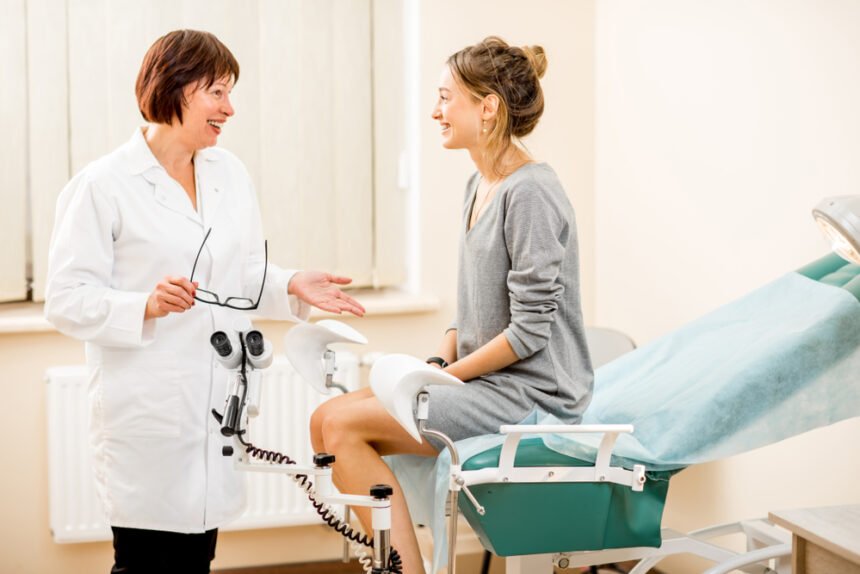
Women’s health is essential, and there are plenty of things that a woman has to face and overcome in order to maintain general well being and hygiene. The importance of women’s’ health cannot be ignored, and it is essential to pay close attention to the signs and symptoms of your body. There are plenty of women’s health issues that can become severe over time. Hence, it is important to visit a gynecologist at regular intervals.
There can be plenty of problems related to women’s health that require medical assistance from a gynecologist. You would need to locate the top gynecologist in Indirapuram to get the ideal medical services. While every woman likes to maintain proper hygiene, gynecological problems can pop up anytime, generating issues in the woman’s health. A gynecologist is a doctor who is specialized in treating patients with gynecological problems. There are some common women health-related issues that would require seeing a gynecologist at the earliest. It is not necessary that you need to see a gynecologist only when you are facing any problem. It is better to make your visit more frequently to make sure everything related to your health is under control.
Common Gynaecological Issues You Need To Know
Most of the gynecological disorder directly affects the reproductive organs like your uterus, ovaries, genitalia, breasts, fallopian tubes, etc. Hence, it is essential to detect the symptoms at the earliest to get the right treatment before the situation gets out of hand.
Polycystic Ovarian Syndrome
Prolonged or infrequent menstruation is described as PCOS or polycystic ovarian syndrome. A woman suffering from PCOS can also have an increased level of androgen, the male hormone. During PCOS, the ovaries can develop follicles in it that will eventually restrict the release of eggs. One of the most common causes of PCOS is majorly the excessive levels of androgen in the body. There are plenty of genetic causes as well that result in PCOS. Abdominal pain, obesity, acne are the common symptoms of PCOS.
Vaginitis
The inflammation in the vagina is defined as vaginitis. A normal menstruating woman is less likely to suffer from vaginitis. Pregnant women are the ones who are affected mainly by vaginitis when their vagina starts having inflammation. It is generally caused by infection, sexual intercourse, or taking certain sets of antibiotic medications. Changing hormones during the pregnancy phase is also among the common causes of vaginitis. The symptoms of vaginitis are quite evident, and you can easily detect them at the early stage. If you are feeling vaginal irritation of itching and witnessing vaginal discharge with the foul smell, you must consult your gynecologist. Generally, vaginitis is treated with pills and gel or cream.
Urinary Tract Infection
One of the common gynecological issues that women face from all age groups is urinary tract infection or UTI. The circumstances of UTI is generated when the bacteria in the vagina or anus is shifted towards your urethra and bladder. In some of the rare cases, the bacteria also move up to the kidneys as well. Women are more prone to UTIs when they are facing issues with their pelvic muscles and nerves. Narrowed or blocked urinary tracts can also become a major cause of UTI.
Dysmenorrhoea
Chronic pain experienced during the menstrual cycle is called dysmenorrhoea. This gynecological issue is further divided into two categories: primary and secondary. While primary dysmenorrhoea does not involve any pelvic diseases, the secondary dysmenorrhoea is related to pelvis issues, Prostaglandins, the natural chemical in the body are considered as the primary cause of dysmenorrhoea. The secondary dysmenorrhoea is caused due to fibroids and endometriosis.
Fibroids
Even uterus is prone to tumors, and fibroids are the muscular tumors that can be developed in your uterus. Though they are not cancerous, fibroids need to be detected at the early stages to tame down its severity. It is essential to remain vigilant regarding the symptoms. The causes of fibroids are not specified yet. But, hormones and genetics are considered responsible for fibroids. Heavy periods, lower abdominal pain during menstruation, and sexual intercourse are the common symptoms that direct towards fibroids.
The Bottom Line
If you are a woman, you would know how challenging it is to maintain the general well being and hygiene. Right from menstruation to menopause, a woman has to go through plenty of gynecological issues that require assistance from the gynecologist. It is essential to understand the prominence of a gynecologist. There are plenty of women health-related problems that need immediate medical attention from a gynecologist.
The above mentioned were some of the common gynecological problems that you must aware of. It is essential to keep a record of the symptoms in order to detect the issue at the earliest possible. You would not want to make your problems more complicated by ignoring the signs that your body gives.