You may have heard that the number of Baby Boomers in the U.S. is quickly growing but did you know that the latest population projections have adults 65 and older outnumbering children by the year 2035? That’s the first time in U.S. history where that has been the case, and it has many industries, including health technologies, paying attention.
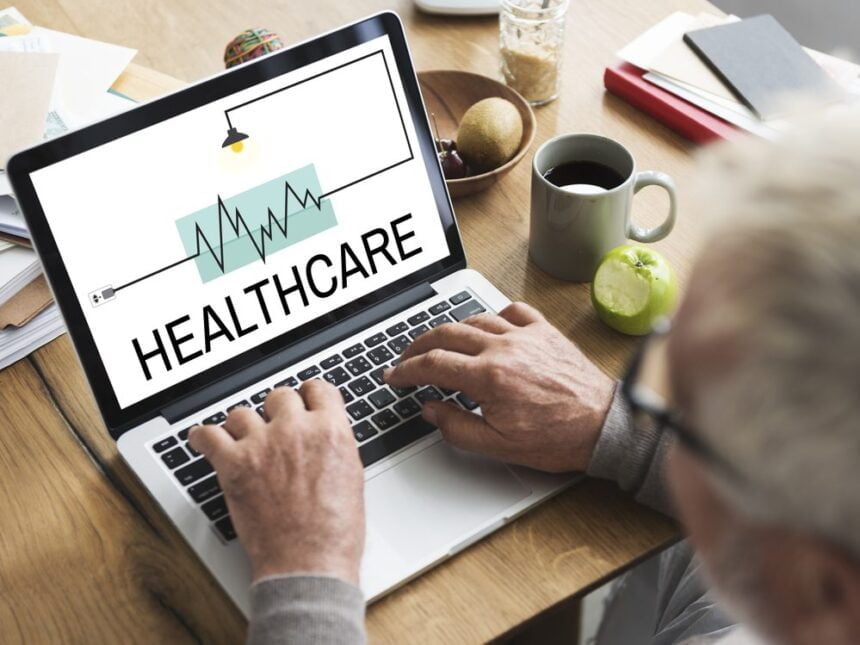
Even though millennials are known as the “tech generation”, more and more seniors are embracing the benefits technology has to offer too, especially when it comes to their health and well being. Don’t miss this quick list of helpful ways technology can improve senior health:
Telemedicine
One of the biggest hurdles seniors face as they age is transportation. Often if a senior still has their license, they are more likely to avoid dangerous conditions like nighttime or rush hour driving thus limiting the hours in which they leave the house. And if they don’t have a license anymore, they have to rely on recruiting help and finding rides for everything from running errands to going to appointments.
More Read

Telemedicine solutions where seniors can “meet with a doctor” via live video chat on their computer simplifies how they get the healthcare they need without the hassle of getting to a doctor’s appointment. For simple illnesses like allergies, colds, and strep throat, telemedicine partners like “Doctors on Demand” sync patients up with board-certified doctors who can assess symptoms, order tests, and even write prescriptions.
Medicine Adherence Apps
The Mayo Clinic estimates that 50% of people with a chronic illness don’t take their medicine as prescribed. This type of non-adherence both negatively impacts patient health as well as increases the financial burden on the healthcare industry as a whole. For seniors specifically, factors like lack of caregiver support and complicated drug regimens make it difficult to stick with a medicine schedule.
Technology lends a helping hand in this respect via pill tracking and reminder apps like MediSafe, CareZone, and Pillboxie. Digital applications offer loads of helpful features like alerting patients when it’s time to take medicine, reminding patients when it’s time to refill prescriptions, and even tracking doctor’s appointments and important medical ID information (like allergies, blood type, etc).
Combat social isolation
The climbing rates of depression and anxiety among seniors may surprise you. Although retirement is pictured as a care-free time of travel and leisure, the truth is 4 out of 5 seniors has at least one chronic illness and many find themselves overcome with stress due to health and financial woes. Loneliness and social isolation can exacerbate existing conditions and be detrimental to overall health outcomes.
Seniors can use technology to combat social isolation even when they can’t get out of the house. Free, online video chat tools like Skype and Google+ Hangouts make it easy to connect with family and friends face to face, while specialty headphones for the hearing impaired ensure they don’t miss a word of the conversation. Social media platforms like Facebook and Twitter also help seniors connect with friends online, look at photos, check out upcoming events near them, as well as engage with support networks.
Diagnosing Patients
Researchers at Stanford University have developed an algorithm known as ChexNet that interprets x-ray images and diagnoses certain pathologies like pneumonia. A 2017 paper on the machine learning algorithm shared how within a month of working at diagnosing various pneumonia pathologies, the algorithm was outperforming actual human Standford radiologists in accurate diagnoses.
What could this mean for seniors and other patients? Because of weakened immune systems and certain age-related ailments, seniors are especially susceptible to pneumonia. When left untreated, this type of lung infection can be life-threatening. Not only can artificial intelligence like ChexNet in the health space help make faster, more accurate diagnoses, but treatment based on more efficient assessments could improve health outcomes for seniors too.
Post-surgical recovery support
Major surgery is always a big deal, no matter your age. For seniors healing from surgery to repair a broken hip or replace a worn out knee joint, however, even more, vigilant attention to recovery is required to stave off long-term mobility issues. A 2015 Journal of the American Medical Association study found it was post-discharge complications that led to the most hospital readmissions after surgery signifying a glaring need for improvements in post-operative care that happens once a patient returns home.
Health technologies like Seamless MD, ReHab, and the Pulse Postop Care app equip patients with post-surgery guidelines they need to speed up healing and avoid unwanted complications. Connecting with doctors by sending them pictures, checking in with daily progress, and even learning new recovery exercises and pain management tactics can go a long way in helping seniors recover in the best way possible.