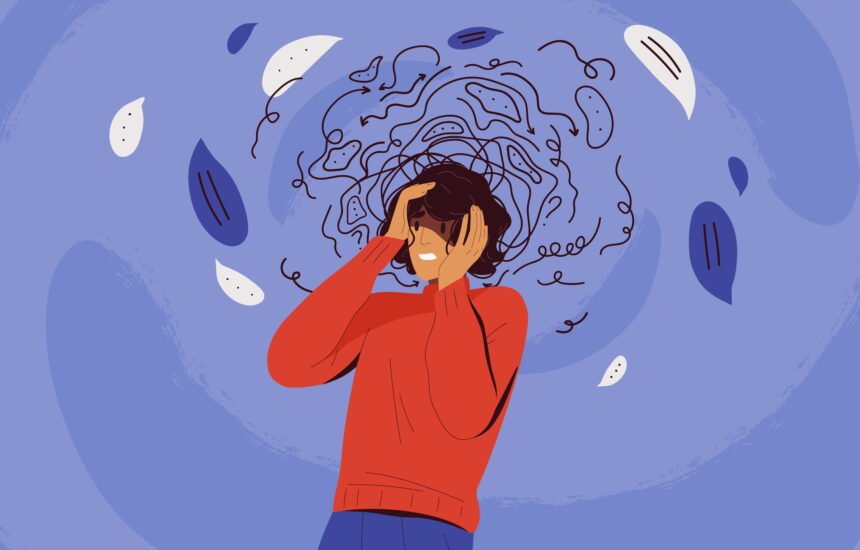
Generalized anxiety disorder is a mental illness that affects around 2.7% of adults in the United States. There are a number of different medications that can help with this disorder, including Xanax, Klonopin and valium.
These drugs have proven to be highly effective for many people with an anxiety disorder. However, they often have a number of side effects that can be difficult to live with.
The good news is there might be ways to treat anxiety problems without needing to resort to medication. In fact, medication should usually be your last resort if you have anxiety problems. Unless they are extremely crippling, you will want to find a way to manage the condition without subjecting your body to these difficult side effects.
Here are some of the best ways to treat generalized anxiety disorder without using medication.
More Read
CBD and THC products
A growing body of research suggests that CBD and THC products can help with anxiety disorders. One of the most promising studies was conducted in 2011, which showed that 400 mg of CBD had significant anti-anxiety benefits.
You can try using the best delta 9 on the market! This can be very helpful for anyone with serious anxiety issues.
Exercise
When you are suffering from moderate anxiety, you might want to try getting more exercise. Research has shown that 20 minutes of exercise has the same benefits of an anti-anxiety medication.
You are going to want to find an exercise regimen that you will be able to stick with easily. Try do find something that is fun and enjoyable, rather than something that you have to force yourself to do every day. Many people have an easier time swimming, biking or playing tennis then running on a treadmill.
Depending on the nature of your anxiety, it might be easier or harder to exercise in a group. Some people find exercise is easier in group settings, because they can distract themselves from the physical discomfort by socializing with their exercise partners. However, some people with generalized anxiety disorder are uncomfortable in social situations. You will need to decide for yourself whether group exercise activities are right for you.
Reduce consumption of substances that contribute to anxiety
Physicians and mental health professionals often have difficulty determining the root cause of mental health problems like generalized anxiety disorder. These problems are sometimes caused by hormonal imbalances or neurological conditions. However, they can also be caused by environmental factors or dietary issues.
Many people have anxiety due to substances that they consume. Nicotine, alcohol and caffeine are all substances that can cause or seriously worsen anxiety problems.
Caffeine is one of the worst substances for people with anxiety problems. One study conducted in 2008 found that caffeine stops the brain from processing adenosine, which is the chemical that causes tiredness. It also triggers the release of adrenaline. These two physiological changes cause high level of alertness and can create anxiety.
Nicotine is also particularly bad for people with anxiety. Studies have shown that people that start smoking as teenagers have a much higher likelihood of developing anxiety as an adult.
You don’t have to necessarily give up these substances altogether. However, it is a good idea to cut back on them to see if it helps. If you’re willing to quit and cold turkey, then you might notice some benefits with your anxiety problems.
Meditation
Meditation is another activity that you might want to try to help manage anxiety. Some people that have never tried it before might be skeptical. However, there is strong evidence that it can help.
A 2010 meta-analysis of various studies found that meditation was at least moderately effective at managing symptoms of depression and anxiety. The authors found that the results did not differ significantly based on the year of the studies they were analyzing, which suggests that different research techniques used over the years reached similar conclusions.
There are a lot of great YouTube channels like Daily Calm that can help you get the most benefit from meditation. They have clear, easy to follow instructions for people that have never meditated before.
Practice better sleep hygiene
One of the most important things that you can do to alleviate the symptoms of anxiety is to get a better night’s sleep. Unfortunately, anxiety tends to interfere with our sleep cycle, which makes us easier said than done.
Fortunately, there are some good sleep hygiene measures that you can take to sleep more easily. Some things that you might want to try include:
- You should only be using your bed for sleep and intimate activities with your partner. You need your brain to associate your bed with sleep, which is easier if you don’t use it for other purposes.
- You should try minimizing consumption of caffeine, alcohol, nicotine and large meals before bed.
- You will want to avoid using your smartphone or other electronic devices for at least two hours before going to bed. The UV rays in electronic devices can disrupt your melatonin production, which makes sleep more difficult.
- You should try going to sleep at the same time each night, so you are not disrupting your circadian rhythms.
These steps will make it a lot easier to sleep well, which should help manage your anxiety more easily.