The healthcare sector is evolving rapidly in response to new technology. As we pointed out in some of our prior posts, DNA and RNA sequencing is playing a very important role in shaping the future of the healthcare sector.
There are a number of advances in this technology that are changing the trajectory of the industry. Next-gen sequencing is among them.
The next-gen sequencing market was estimated at 8.4 billion in 2023 and is projected to reach 33 billion by 2030, indicating substantial growth in only several years.
Next-generation sequencing (NGS) has revolutionized genomic research, offering rapid and cost-effective analysis of DNA and RNA sequences. We touched on this topic nearly 15 years ago in this post, but it is becoming even more important today. One key aspect of NGS workflows involves automated library preparation; advancements in this field continue to drive efficiency, accuracy, and scalability.
More Read

Here, we explore some emerging trends and innovations related to automated library preparation for NGS with an emphasis on key technologies that support genomic research projects.
High-Throughput Library Preparation Systems
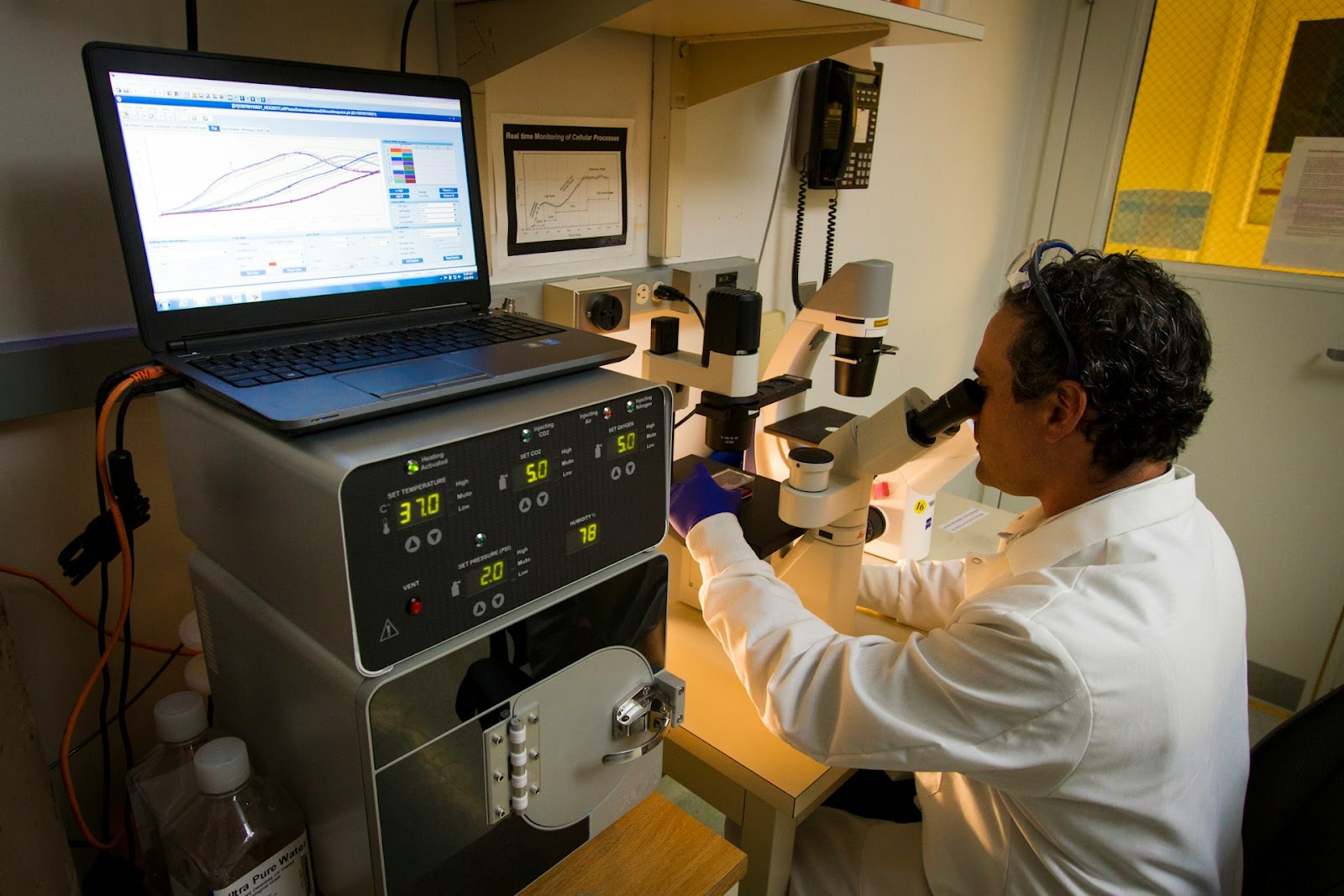
High-throughput library preparation systems, which are indispensable components of NGS library prep, are considered the highest form of innovation in the NGS workflow. Through their deployment, dozens of samples can be simultaneously processed, thereby facilitating significant reductions in the time to results and impressive increases in the number of samples processed simultaneously.
The advancements made in this field are second to none, with robotics-assisted platforms that automate the entire library preparation process, from DNA fragmenting to the adapter ligation process, being the most remarkable. As a result, other than achieving maximal workflow efficiency, systems of this type are critical for guaranteeing consistency and reproducibility between samples, two prerequisites for undertaking any meaningful genomic analysis.
Integrated Sample QC and Normalization
Additional developments in automated library preparation include the increasing integration of the sample quality control and normalization steps with the rest of the workflow. Today’s systems are sophisticated enough to incorporate multiple QC metrics, such as DNA concentration and fragment size distribution, as part of the library prep process.
This incorporation makes it possible to ensure the real-time evaluation of sample quality, which ensures that only high-quality samples are sent for sequencing. Additionally, some systems have implemented automated normalization steps that adjust the sample input to guarantee maximum output in terms of genomic data.
Modular and Customizable Workflows
Modularity and customization have increasingly become critical aspects of automated library preparation system integration. As researchers encounter a wide array of experimental requirements and sample types, flexibility becomes essential. As a result, modern platforms allow users to customize various library preparation steps by handpicking specific modules among various modular design options.
This approach not only maximizes workflow efficiency but also allows users to select an optimal library neck for specific parameters. Ultimately, this preference ensures maximal compatibility with different sequencing platforms and applications, guaranteeing optimal performance and results for diverse genomic analyses.
Single-Cell Library Preparation
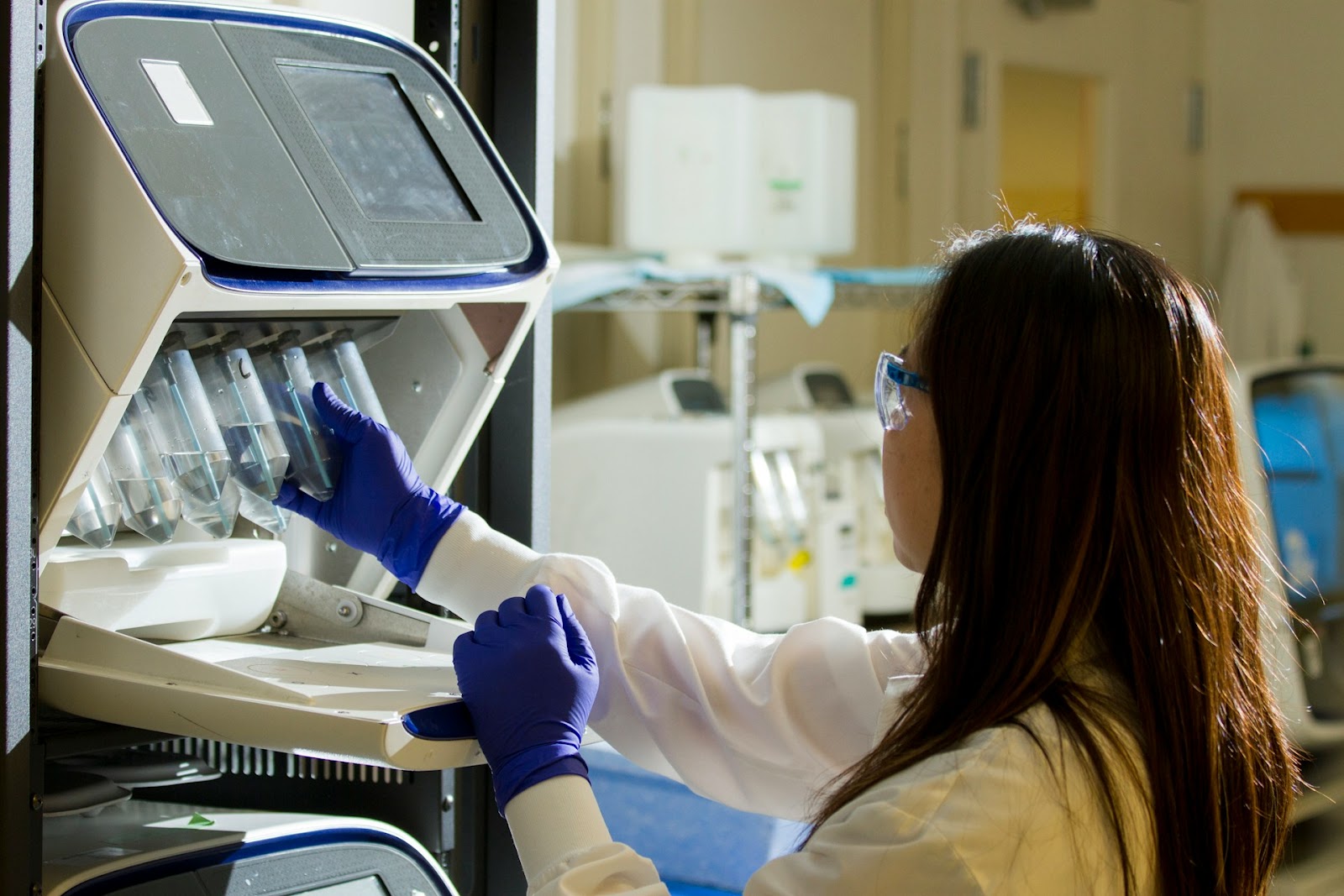
Single-cell genomics has emerged as a powerful tool for examining cellular heterogeneity and dynamic disruption in biological systems. Consequently, automated library preparation systems have developed remarkably from their conventional use to support preparation for single-cell sequencing libraries. These systems are well suited to the task due to their convenient and streamlined methods for the library preparation of individual cells for RNA sequencing, ensuring high quality and minimal sample loss.
One notable feature employed in such a system is a microfluidic-based platform to enable high-throughput single-cell encapsulation and subsequent library preparation. Such a platform allows scientists to explore the ultimate cellular diversity with pioneering molecular resolution. When coupled with sequencing technologies, these exuberate capabilities can help scientists uncover distinct biological processes.
AI and Machine Learning Integration
The integration of machine learning algorithms with artificial intelligence is revolutionizing these robotic library preparation techniques. Nevertheless, AI-powered systems are designed to understand complex data patterns and make adjustments to many experimental parameters effortlessly, including the most preferable conditions for undertaking library preparation. Therefore, not only is library prep optimization easily provided, but also the quality of utilizing the data generated can be increased to speed up research outcomes.
Additionally, the integration of machine learning has enabled these systems to utilize adaptive learning. The system, therefore, learns and continually upgrades its performance. As a result, the performance of these systems is improved, leading to increased process efficiency.
Bottom Line
In conclusion, emerging trends and innovations in automated library preparation for next-generation sequencing are driving transformative advancements in genomics research. High-throughput systems, integrated QC and normalization, modular workflows, single-cell capabilities, and AI integration are reshaping NGS workflows, enabling researchers to tackle complex biological questions with unprecedented speed, accuracy, and scalability. As these technologies continue to evolve, they promise to unlock new insights into the genomic landscape and accelerate discoveries in diverse fields, from basic biology to clinical applications.