
By using this site, you agree to the Privacy Policy and Terms of Use.
Accept
Health Works CollectiveHealth Works CollectiveHealth Works Collective
  • Health
    • Mental Health
  • Policy and Law
    • Global Healthcare
    • Medical Ethics
  • Medical Innovations
  • News
  • Wellness
  • Tech
Search
© 2023 HealthWorks Collective. All Rights Reserved.
Reading: BioPharma Beat: Apple and the Dawn of the Worried Well (the Sequel)
Share
Notification Show More
Font ResizerAa
Health Works CollectiveHealth Works Collective
Font ResizerAa
Search
Follow US
  • About
  • Contact
  • Privacy
© 2023 HealthWorks Collective. All Rights Reserved.
Health Works Collective > Business > Hospital Administration > BioPharma Beat: Apple and the Dawn of the Worried Well (the Sequel)
DiagnosticseHealthHospital AdministrationNewsTechnologyWellness

BioPharma Beat: Apple and the Dawn of the Worried Well (the Sequel)

David Davidovic
David Davidovic
Share
4 Min Read
biopharma beat Apple HealthKit
SHARE

biopharma beat Apple HealthKitIn June 2013, I wrote here on HealthWorks Collective an article on the Dawn of the Worried Well. The impetus for the article at the time was the exuberance we saw among start-ups and many generally-healthy consumers, for fitness monitors, genomic tests, health trackers, and so forth.

biopharma beat Apple HealthKitIn June 2013, I wrote here on HealthWorks Collective an article on the Dawn of the Worried Well. The impetus for the article at the time was the exuberance we saw among start-ups and many generally-healthy consumers, for fitness monitors, genomic tests, health trackers, and so forth. Much of what I implied has materialized: sales of many of these trackers peaked and have dropped; some companies got out of the business; some, like connected watches, never took off, and, anecdotally from many of my friends and colleagues, people have simply lost interest and stopped using their trackers. 

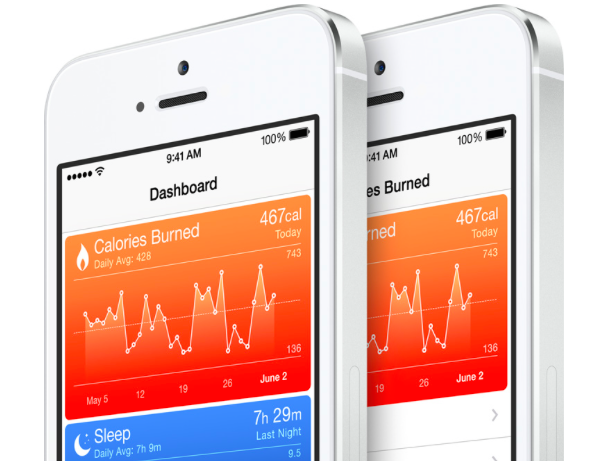
Leave it to Apple to try to wake up a moribund field.  They did this with MP3 players, music, and cell phones, among others.  Yesterday at the World Wide Developers Conference (WWDC) in San Francisco, in their much-anticipated keynote, Apple announced the launch of “HealthKit,” a hub app for iOS to integrate health and fitness information in a common ecosystem. They also announced partnerships with The Mayo Clinic, with Nike, and others to support the application. With the advent of a standard consumer platform, I am sure many other players will join, including: hospitals, private practices, HER/EMR system providers, labs, etc.

Why is this different than the efforts of many over the last few years and why should we care?  Well, A huge difference is indeed the ecosystem.  Although, for now, this announcement of just a hub to collect and report tracked and collected data seems underwhelming, the potential is big.   In all of the previous efforts, trackers and monitors tended to stand alone and not be integrated into anything – not without convoluted uploading and pairing steps, inconsistent user interfaces, unstandardized data, and a fragmented infrastructure.  This is probably the reason Nike pulled its Fuel Band from the market and held off until this collaboration with Apple.

More Read

Seeing The Big Picture In End Of Life Care
4 Tips For Home Health Care Agencies To Survive The Worker Shortage
What’s Wrong with Pay for Performance?
6 Factors To Check When Hiring An In-Home Caregiver
Why Regular PTAC Repairs And Maintenance Is Good For Your Health

Apple’s announcement essentially has the potential to do the same it did with music.  Aside from the elegance and simplicity of their user interfaces, they have a great track record in pulling together disparate pieces into a finely-tuned, seamless ecosystem.  Of course, the potential of the “big data” they will have access to cannot be discounted.
apple healthkit

So far, my worry had been that the novelty, price, and complexity of this field was only attracting otherwise healthy individuals who are already super-conscious and highly motivated to act on their health – aka The Worried Well.  Not having a common ecosystem or platform meant only the highly-motivated would go through the trouble of dealing with many disparate and incoherent pieces.  This news today, I believe, will broaden the appeal, reach and affordability to a much wider group of people, this time reaching those who do need the feedback that trackers and monitors bring to actually create and maintain healthy behaviors.  Having partners in the delivery of healthcare sign up to participate will mean much more meaningful use (a term borrowed from the EHR field) of those apps and the various devices and services the hub will be connecting with.

The “quantified-self movement” lives on. And the “worried well” may be joined by those who may not be so well or so worried, but can use good and accurate data to better manage their health and fitness.


TAGGED:Appleappsdigital healthecosystemfitnesshealthmonitoringquantified self
Share This Article
Facebook Copy Link Print
Share

Stay Connected

1.5KFollowersLike
4.5KFollowersFollow
2.8KFollowersPin
136KSubscribersSubscribe

Latest News

woman wearing white long sleeved shirt
Common Mistakes When Trying to Treat Hair Fall at Home
Fitness
March 20, 2026
Sunnyside Dentistry For Children: A Pediatric Dentist’s Pacific Northwest Story
Dental health
March 19, 2026
How Expanding Outpatient Nursing Options Is Reshaping Career Trajectories
Career Nursing
March 18, 2026
health care workers working together
How an MBA Healthcare Management Online Program Equips Leaders for Tomorrow
Health
March 18, 2026

You Might also Like

Medical Robotics Could Help Treat Arrhythmia, Keep Patients Mobile

October 25, 2013
The ACA has put patients at the center of healthcare services. A patient-centric healthcare approach in this digital era means a revised definition of quality in the physician-patient relationship. When it comes to healthcare services, patients shell out a hefty amount from their pocket and want nothing less than the best. The services in healthcare are no longer limited to just cost as consumers now evaluate quality and experience in the same equation. Research highlights from the 2015 Healthcare Consumer Trends by National Research Corporation states that reputation in healthcare matters more to consumers when choosing a brand than any other industry, e.g. hospitality, retail, airline, etc. The new generation of quality measurements in healthcare require a different mind-set and a different 'toolbox' to handle the hurdles. It’s the need of the hour for healthcare providers and others across the healthcare value chain to adopt the patient-centric approach for surviving in the vast competitive ocean of healthcare services. Patient-centric care is an approach that develops through effective communication, empathy and a positive physician-patient relationship. The primary purpose is to improve patient care outcomes and satisfaction and to reduce patient symptoms and unnecessary costs. It’s a win-win situation for both physicians and patients. While healthcare providers are able to support their patients in becoming more compliant with treatment and management of their conditions/diseases, patients feel more satisfied with the care that they are receiving. PwC’s Health Research Institute’s annual report 2016 states that health systems should keep an eye on the consumer experience as they expand and extend. More partnerships and more caregivers could mean confusion for patients and poor customer experiences. To differentiate their practice among competitors, patient satisfaction can be used as a competitive distinguishing factor. Although patient satisfaction cannot really provide tangible benefits, but an experience that exceeds patient expectations for what a practice/hospital can provide is very important as it creates loyal patients who return for future health needs and refer their family and friends. Happy and satisfied patients are a secret marketing weapon for healthcare providers, whether they are physicians, dentists, physiotherapists or hospitals. Your patients are the new-age digital health decision-makers. In this era of Internet and social media, they now have multichannel access to information related to health. Needless to mention, they have gained new power to make their decisions; whether it’s choosing a healthcare provider or referring a physician to family and friends. By converting your satisfied patients to be your brand advocates, you can capitalize and use their voice as an effective marketing strategy to reach out to many other potential patients. To strive and thrive, in the U.S. many healthcare organizations are applying patient-centric approaches to healthcare. It’s all about what matters to patients, so it makes a lot of sense for the healthcare industry to place patients' healthcare experience at the center of their policies and procedures. The best deliverables are a combination of great communication for a positive physician-patient relationship, disciplined measurement and analysis of patient feedback and commitment to technology innovation – the formula for improving patient engagement and care.
BusinessHealth ReformWellness

The Link Between Patient Satisfaction and Long-Lasting Relationships

April 28, 2016
listening strategies auditory processing
News

Listening Activities Can Treat Auditory Processing Disorder

May 18, 2024

AirStrip: Bringing mHealth to the Desktop

July 4, 2013
Subscribe
Subscribe to our newsletter to get our newest articles instantly!
Follow US
© 2008-2025 HealthWorks Collective. All Rights Reserved.
  • About
  • Contact
  • Privacy
Welcome Back!

Sign in to your account

Username or Email Address
Password

Lost your password?