Due to the fact that traditional medical therapies for anxiety often fall short, many people turn to alternative treatments such as CBD oil. However, the use of CBD is still surrounded with skepticism because of its connection to ?weed?; In addition, people who struggle with chronic anxiety know that smoking marijuana can actually make things worse. Still, CBD products are growing in popularity as anti-anxiety supplements. But is there enough evidence that they?re actually efficient?
What is Cannabidiol Oil?
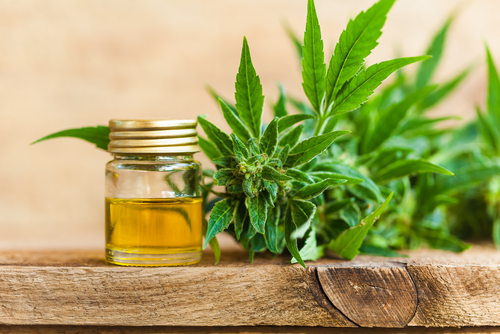
Cannabidiol (CBD) is one of at least 113 chemical compounds called cannabinoids found in the marijuana or cannabis plant. CBD oil is extracted from the plant and then diluted with a carrier oil such as hemp seed oil or coconut oil. It is a popular natural remedy used to treat and prevent various ailments including heart disease, diabetes, cancer, depression, pain, anxiety, etc. Tetrahydrocannabinol (THC) is another chemical compound found in the cannabis plant, which is responsible for making users ?high?, a sensation often associated with smoking marijuana. Unlike THC, cannabidiol is non-psychotropic and has no altering effects on the mind.
Is CBD legal?
The CBD products obtained from industrial hemp are legal in all fifty US states. On the other hand, the CBD products derived from marijuana are allowed for recreational use in only eight US states. CBD is considered a byproduct of THC-rich marijuana and is legal only for medicinal use in 46 US states (including the eight states mentioned before). In South Dakota, Idaho, Nebraska, and Kansas, marijuana-derived CBD is completely illegal.
What is Anxiety?
Statistics say that one in four Americans will be affected by anxiety during their lifetime. This mental disorder manifests through various symptoms such as persistent feelings of worry, nervousness, and dread. There are two main sources of anxiety ? genetics (i.e. certain hormones and neurotransmitters in our body) and stress. Chronic stress ?teaches? the brain to be on the lookout, i.e. expect more stress and be ready to avoid it in the future. These constant rushes of stress hormones cause continuous feelings of panic and fear which our bodies simply can?t handle. The consequences can include:
- Digestive problems
- Depression
- Lowered immunity
- Heart disease
- Fatigue
- Migraines and headaches
- Muscular tension
- Weight gain
In addition, the body?s neurochemistry can be affected by various lifestyle and environmental toxins such as alcohol consumption, smoking, pollution, etc., which can result in anxiety.
CBD Oil and Anxiety
Besides testimonials of people who use CBD oil to treat anxiety, there is also substantial clinical data to prove its efficiency. However, CBD research is in its early stages and mostly conducted on rodents. Due to the fact that research on human participants is more complicated and expensive, there are fewer studies. Still, the initial results seem quite promising.
- A study conducted in 2017 showed that CBD can alleviate anxiety symptoms by affecting the inborn reactions to threat. CBD influences the way fear is processed in memory, indicating that it helps reduce learned fear, at the same time encouraging fear extinction.
- Another study from 2016, which involved a 10-year-old patient suffering from a post-traumatic disorder, proved that CBD can be used as a safe treatment for anxiety in children. Unlike pharmaceutical medications which offered only partial relief, CBD oil helps decrease anxiety and improve sleep patterns without any side effects.
- A study from 2010 demonstrated that CBD oil can help reduce symptoms of social anxiety disorder by affecting blood flow to areas of the brain responsible for producing feelings of anxiety.
How to Take CBD Oil
A question often asked by new users is how much CBD oil should be taken for anxiety. There is no officially recommended daily allowance (RDA) or universally prescribed dosage for CBD. The daily doses depend on a number of factors including the severity of the condition, person?s weight, genetics, metabolism, diet, but also on the environment and the product consistency itself. So far, research has shown that doses from 40mg to 600mg are most effective in alleviating anxiety. Ideally, patients should start with lower doses and increase them gradually. Begin with a drop of oil on the first day of use in order to allow your body to adapt to the CBD. Stick with this amount for a few days before increasing the dose. Increase the dose to two drops a day in a period of several weeks. During this period, you should be able to notice a decrease in anxiety symptoms. In order to improve the efficiency and absorption rate, separate your total daily dosage into smaller doses.
CBD Oil Risks and Side Effects
Because CBD is still unregulated, many products may be mislabeled and contain significant amounts of THC, a compound which is known to make anxiety symptoms worse. That?s why it is crucial to buy CBD oil from reputable brands. There is no possibility to overdose on CBD oil. It?s been shown that humans can tolerate CBD even in higher doses of 1500mg a day and for longer periods of time. Side effects are rare and include the following:
- Mildly lowered blood pressure
- Lightheadedness
- Dry mouth
- Decreased fertilization capacity
- Insomnia
- Sedation
- Difficulty concentrating
Note:
Some studies have shown that people suffering from Parkinson?s disease should be careful with CBD oil. If taken in higher doses, the oil may worsen tremors and muscle movement. Pregnant and breastfeeding women are also advised to avoid CBD oil because there?s not enough data to confirm its safety. Consult your doctor if you?re already taking prescribed anxiety medications because CBD increases the potency of some drugs. Also, speak to your doctor if you want to stop taking or decrease your anxiety medications.
In Conclusion
Thanks to legalization efforts, we can expect more in-depth research of CBD?s effects on the human mind and body, as well as new production methods which make it much easier to obtain pure CBD without traces of THC. This way, people will feel more comfortable using CBD products for their healing properties and without any side effects.