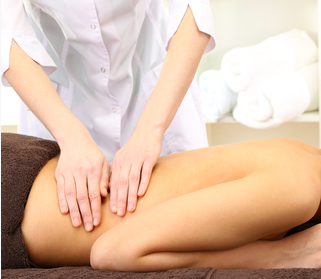
Ask anyone who’s had a massage, and you’ll get an earful about how relaxing the experience is. While that’s certainly enough incentive to book yourself the next available appointment, few people realize that the physiological and psychological changes that occur during a massage can have a multitude of surprising benefits. Read on for eight great reasons to treat yourself to a massage today.
Ask anyone who’s had a massage, and you’ll get an earful about how relaxing the experience is. While that’s certainly enough incentive to book yourself the next available appointment, few people realize that the physiological and psychological changes that occur during a massage can have a multitude of surprising benefits. Read on for eight great reasons to treat yourself to a massage today.
More Read

Catch Some Quality Zzzs
If you’ve ever nodded off on the massage table, blame your delta waves. Different types of brain waves tell your body whether to relax or wake up—and deltas are the kind associated with deep sleep. Studies conducted at the Touch Research Institute (TRI) in Florida have shown that massage increases delta waves, making the practice useful for treating patients with insomnia.
And it’s not just brain function that’s affected. The brain’s chemistry also shows a significant response to massage therapy—in the form of an increase in serotonin levels. This important neurotransmitter influences a person’s mood, behavior and sleep habits, among other things. Some schools of thought suggest that higher levels of serotonin may help regulate the body’s circadian cycles, resulting in improved sleep quality.
Annihilate Migraines
A study published in the International Journal of Neuroscience detailed a group of migraine sufferers who received regular massage for one month. 60% experienced no pain or headaches for the duration of the experiment. The remaining study participants found relief from migraine pain when massage was applied to the extremities, drawing blood and pressure away from the head. It is also believed that because massage helps increase the body’s ability to heal itself, regular treatment can reduce the need for medication.
Go With The (Blood) Flow
According to MayoClinic.com, as stress levels decrease, many patients also experience a decrease in blood pressure. In addition, massage helps improve circulation because the pressure actually pushes blood through congested areas. With each release of pressure, cleansing, oxygenated blood can flow in.
Manipulating affected areas has the added bonus of reducing swelling or edema that occurs in patients with high blood pressure, by activating the lymph system which naturally flushes out the excess fluids. While it’s not suggested to utilize massage alone as a treatment for high blood pressure, research has shown it undoubtedly helps patients when used as part of an overall treatment plan.
Be Good To Your Gut
When we relax, we stimulate the parasympathetic nervous system—the part of the brain that controls digestion. And that’s just the neurological response going on in our brains. A massage therapist can trigger multiple physical responses that can also keep our tummies happy.
Your practitioner may apply gentle pressure to your abdomen and in many cases can find and relieve congested areas of the digestive tract. Stimulating these areas promotes peristalsis, the name given to the muscle contractions that keep things flowing smoothly in your internal pipelines. Because stress and tension have been shown to be major causes of Irritable Bowel Syndrome, massage treatments have proven very effective for treating IBS sufferers—helping to relieve cramping, bloating, gas and other related symptoms. Massage has also been shown to help manage chronic pain in sufferers of ulcerative colitis and Crohn’s disease.
Embrace The Joys of Womanhood
The Touch Research Institute (TRI) conducted another small study of women with severe PMS—known as PDD—and found promising evidence that massage may reduce recurring symptoms. While study participants noticed less anxiety and enhanced mood only in the short term, decreased pain, water retention, and an overall reduction in PMS symptoms were noted as long-term benefits. And should you one day find yourself blessed with a “bun in the oven,” massage has been shown to assist with shorter labor, decrease the need for medication, and help regulate post-partum depression.
Fortify Your Defenses
The lymph system is the body’s first line of defense against toxic invaders. Massage causes the lymph nodes to secrete more of the good stuff, increasing production of white blood cells and destroying free radicals, thereby enhancing your immunity. Massage also decreases the stress hormone cortisol, which attacks our body’s soldier cells. Increasing lymph and decreasing cortisol gives the immune system a double-strength boost.
Even people with severely compromised immunity—like those with cancer or HIV—have seen major improvements through the addition of massage to their treatment regimen. So much so, that the National Cancer Institute found that half their cancer centers offered massage as an adjunctive therapy to cancer treatment, as long ago as 1999. The numbers have been steadily growing ever since.
See the World Through Rose-Colored Glasses
Dopamine is a neurotransmitter that activates the brain’s pleasure receptors. After a massage, increased dopamine levels combined with more serotonin and less cortisol means less stress, depression and anxiety. Science also tells us that the right side of the brain’s frontal lobe is more active when we’re sad; the left more involved when we’re feeling happy. A TRI study found evidence that massage decreases activity in the right lobe while increasing functioning in the left, meaning that an hour on the massage table is akin to taking a happiness vitamin.
Perk Up
Still another TRI study found that a 15-minute chair massage boosted alertness. Test subjects likened the sensation to a runner’s high. In the same way certain brain-wave activity stimulated by massage is linked deep sleep, other brain waves respond to the magic of touch and serve to improve attention and concentration. Studies involving infants have corroborated the evidence; researchers concluded that newborns react to massage with increased alertness and enhanced social behavior, among many other positive responses.
Touch is an instinctual human reaction to pain and stress, and the touch of another conveys compassion and makes us feel cared for. This is why massage is so effective; it offers a humanitarian approach, aiding the body’s natural ability to heal itself. And considering that it’s non-invasive and drug-free, this is one pleasure in which you’re encouraged to overindulge.
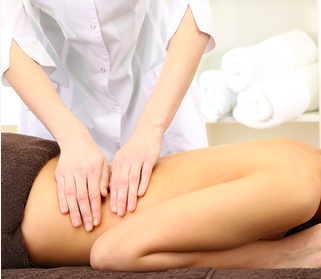
image:massage/shutterstock