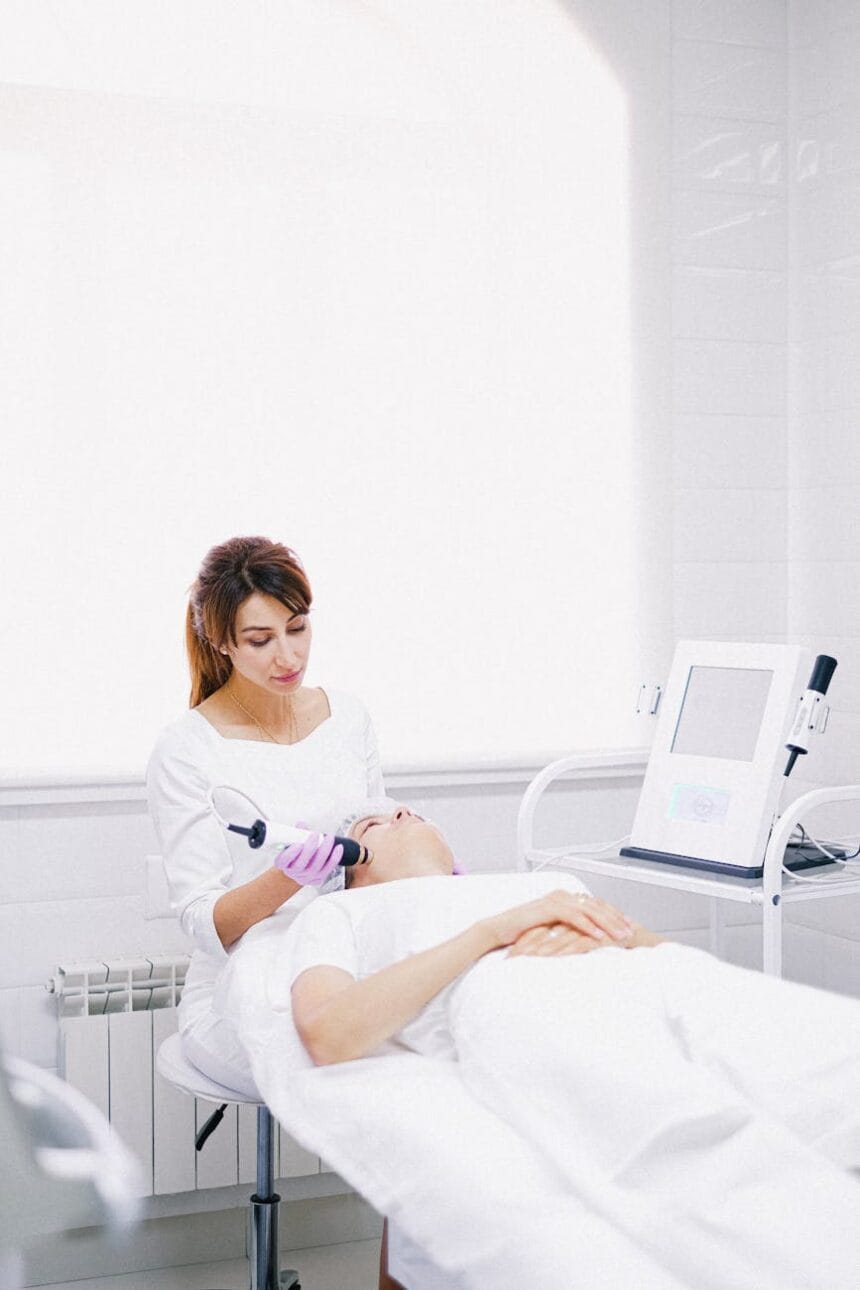
The aesthetic medicine industry has experienced exponential growth across the European Union over the past decade, with millions of procedures performed annually ranging from minimally invasive treatments to complex cosmetic interventions. This burgeoning sector has necessitated increasingly stringent regulatory frameworks to ensure patient safety, maintain professional standards, and protect consumers from substandard practices. For practitioners and clinic owners operating within the EU, navigating the complex landscape of compliance regulations has become an essential aspect of delivering aesthetic services. Understanding and adhering to these multifaceted requirements is not merely a legal obligation but a fundamental commitment to patient welfare and professional excellence.
The regulatory environment governing aesthetic clinics in the EU is characterised by a combination of EU-wide directives and individual member state legislation, creating a sophisticated framework that addresses everything from product safety to practitioner qualifications. As the industry continues to evolve and new technologies emerge, compliance requirements have become progressively more comprehensive, demanding vigilant attention from all stakeholders within the aesthetic medicine sector.
The Medical Device Regulation (MDR) and Its Impact
At the cornerstone of EU compliance for aesthetic clinics lies the Medical Device Regulation (EU) 2017/745, which came into full application in May 2021, replacing the previous Medical Devices Directive. This regulation fundamentally transformed how aesthetic medical devices and equipment are classified, approved, and monitored throughout their lifecycle. The MDR establishes rigorous standards for the safety and performance of medical devices, including dermal fillers, laser equipment, intense pulsed light devices, and other apparatus commonly employed in aesthetic procedures.
Under the MDR, aesthetic clinics must ensure that all devices used within their facilities bear the CE marking, indicating conformity with EU safety standards. This requirement extends beyond the initial purchase, as clinics are responsible for maintaining comprehensive documentation regarding device traceability, implementing vigilance reporting systems for adverse events, and ensuring proper maintenance and calibration of equipment. Practitioners must familiarise themselves with the unique device identification (UDI) system, which enables tracking of individual devices throughout the supply chain.
More Read

Furthermore, the MDR imposes stringent obligations on economic operators, including distributors and importers of aesthetic devices. Clinics that import devices from outside the EU must ensure compliance with these regulations, including the appointment of authorised representatives where necessary. The enhanced scrutiny under the MDR reflects the EU’s commitment to preventing the circulation of substandard or counterfeit products within the aesthetic medicine market.
Data Protection and GDPR Compliance
The General Data Protection Regulation (GDPR), which came into effect in May 2018, represents perhaps the most significant data protection legislation globally and has profound implications for aesthetic clinics throughout the EU. As healthcare providers handling sensitive personal data, including medical histories, photographic records, and treatment details, aesthetic clinics are designated as data controllers under GDPR and must implement robust data protection measures.
Compliance with GDPR requires aesthetic clinics to establish clear legal bases for processing patient data, typically relying on consent or contractual necessity. Clinics must provide transparent privacy notices explaining how patient information is collected, processed, stored, and shared. The principle of data minimisation requires that clinics collect only information necessary for legitimate purposes, whilst the obligation to maintain data accuracy necessitates regular review and updating of patient records.
The regulation mandates implementation of appropriate technical and organisational measures to ensure data security, including encryption, access controls, and regular security assessments. Aesthetic clinics must also facilitate patients’ rights under GDPR, including rights to access, rectification, erasure, data portability, and restriction of processing. In cases where clinics experience data breaches, strict notification requirements apply, with reports to supervisory authorities required within 72 hours of breach discovery where personal data security has been compromised.
Professional Qualifications and Practitioner Standards
The regulation of practitioner qualifications represents a crucial component of aesthetic clinic compliance, though this area exhibits considerable variation across EU member states. The EU Professional Qualifications Directive (2005/36/EC, as amended) provides a framework for mutual recognition of professional qualifications across member states, facilitating practitioner mobility whilst maintaining standards. However, individual member states retain authority to establish specific requirements for aesthetic practitioners operating within their jurisdictions.
Many EU countries mandate that certain aesthetic procedures be performed exclusively by qualified medical doctors, dentists, or registered nurses, depending on the treatment’s invasiveness and associated risks. Some jurisdictions require specific postgraduate training or certification in aesthetic medicine, whilst others have established specialist registries or college memberships as prerequisites for practice. Clinic operators must ensure that all practitioners hold appropriate qualifications recognised within their operating jurisdiction and maintain continuing professional development as required by relevant regulatory bodies.
The European Committee for Standardisation (CEN) has developed guidelines for aesthetic medicine services, including recommendations for practitioner competencies and training. Whilst not legally binding, these standards represent industry best practice and increasingly inform national regulatory approaches. Clinics demonstrating adherence to such standards position themselves favourably regarding compliance and quality assurance.
Premises and Facility Requirements
EU member states impose varying requirements regarding the physical facilities within which aesthetic procedures may be performed. These regulations typically address issues including premises registration, environmental standards, infection control, emergency equipment availability, and spatial requirements. Many jurisdictions require aesthetic clinics to register with health authorities and undergo periodic inspections to verify compliance with established standards.
Infection prevention and control measures constitute fundamental requirements across all member states. Clinics must implement protocols aligned with current evidence-based guidelines, including proper sterilisation and disinfection procedures, appropriate waste management systems, and staff training in infection control practices. The layout and design of treatment areas must facilitate proper hygiene practices and prevent cross-contamination.
Emergency preparedness represents another critical aspect of facility compliance. Aesthetic clinics must maintain appropriate resuscitation equipment and emergency medications commensurate with the procedures performed. Staff must receive training in emergency response protocols, including cardiopulmonary resuscitation and management of acute complications such as anaphylaxis or vascular occlusion.
Advertising and Marketing Regulations
The advertising and marketing of aesthetic services within the EU is subject to stringent regulations designed to protect consumers from misleading claims and ensure ethical promotional practices. EU-wide consumer protection legislation, including the Unfair Commercial Practices Directive (2005/29/EC), establishes foundational principles prohibiting deceptive or aggressive marketing tactics. Additionally, many member states have implemented specific regulations governing healthcare advertising that apply to aesthetic clinics.
Compliance in this domain requires that all marketing materials, including websites, social media content, and traditional advertising, present accurate, verifiable information about services offered. Claims regarding treatment efficacy must be substantiated by appropriate evidence, and the use of before-and-after photographs must comply with relevant guidelines, including obtaining proper patient consent and avoiding misleading presentations. Many jurisdictions prohibit advertising that creates unrealistic expectations or targets vulnerable populations inappropriately.
Professional regulatory bodies often establish additional codes of conduct regarding advertising that practitioners must observe. These typically emphasise dignity, professionalism, and patient-centred communication whilst prohibiting comparative advertising or testimonials that might mislead potential patients.
Informed Consent and Documentation
The doctrine of informed consent represents a fundamental principle of medical ethics and law throughout the EU. Aesthetic clinics must implement robust processes ensuring that patients receive comprehensive information about proposed treatments, including expected outcomes, potential risks and complications, alternative options, and associated costs. This information must be presented in a manner accessible to the individual patient, accounting for language, literacy, and comprehension factors.
Documentation of the consent process is essential for compliance and risk management. Clinics should maintain detailed records demonstrating that adequate information was provided, questions were addressed, and consent was freely given without coercion. Many jurisdictions require specific cooling-off periods for certain procedures, prohibiting same-day consultations and treatments to ensure patients have adequate time for reflection.
Consent requirements extend beyond initial treatment to encompass the use of patient photographs, data sharing with third parties, and participation in research or training activities. Clinics must implement systems ensuring that consents remain current and that patients understand their right to withdraw consent at any time.
Conclusion
Compliance with EU regulations represents an ongoing commitment requiring aesthetic clinics to maintain vigilance across multiple domains simultaneously. The regulatory landscape continues evolving in response to technological advances, emerging safety concerns, and changing societal expectations regarding healthcare standards. Successful navigation of these requirements demands investment in staff training, robust documentation systems, quality assurance processes, and professional expertise in regulatory affairs.
For aesthetic clinic operators, compliance should be viewed not as a burdensome obligation but as an opportunity to demonstrate commitment to excellence and patient welfare. Clinics that embrace regulatory requirements and implement gold-standard practices position themselves advantageously in an increasingly competitive market where reputation and trust are paramount. As the aesthetic medicine sector continues its trajectory of growth and professionalisation, those practitioners and clinics maintaining exemplary compliance standards will lead the industry whilst providing patients with the safe, effective, and ethical care they deserve.