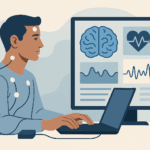
Today, medical science is experiencing a renaissance. Medical researchers are discovering dozens of ways to make people’s lives better and treat serious medical conditions. Dr. Ryan Shelton Zenith Labs Medical Research Director describes nine of the exciting innovations that are helping people live longer, healthier lives.
1. Altering the Genetic Code
One of the most groundbreaking innovations that were introduced in 2020 was CRISPR, the gene-editing protocol pioneered by Emmanuelle Charpentier and Jennifer Doudna. The two women won the 2020 Nobel Prize in Chemistry for their efforts.
CRISPR is a gene “scissor” that can snip out pieces of a gene to remove the damaged sections. This means that DNA can heal itself. This procedure could have far-reaching effects on people who suffer from genetic conditions.
For example, sickle cell disease causes blockages in blood flow. This means that hemoglobin, the oxygen-carrying molecule in the body, cannot effectively deliver oxygen to the cells. The CRISPR tool can cut out damaged DNA and cure sickle cell anemia.

2. Cancer Immunotherapy
Immunotherapy is one of the most advanced forms of treating cancer. Immunotherapy uses the body’s immune system to control, prevent, and eliminate cancer. From the cervical cancer vaccine to therapies for patients with melanoma and liver cancer, immunology has caused major breakthroughs.
Breast cancer is one of the most common forms of cancer in the world today. 1 in 8 women will develop breast cancer at some point during their lifetimes. New immunotherapy drugs including atezolizumab can be combined with chemotherapy to combat metastatic breast cancer.
3. Telemedicine
The COVID-19 pandemic has had an indelible effect on every aspect of our lives. One of the ways in which medical care continues during the pandemic is through telemedicine. Many doctors are discovering how telemedicine can help them treat patients safely at a distance. This technique is especially useful for residents of rural areas and people who cannot easily come into the doctors’ office. There are many medical conditions that can only be treated in person, but telemedicine is stepping in to take care of follow-ups and general wellness calls.
4. Minimally Invasive Mitral Valve Surgery
Heart surgery is one area where new methods are making a significant impact. Minimally invasive mitral valve surgeries are able to repair mitral valves in patients who cannot undergo open-heart surgery.
5. Blood Tests for Alzheimer’s Disease
Before this new method was introduced, the only way to definitively diagnose Alzheimer’s disease was after the patient’s death. This test is still under development, but when it is approved, it could help the 5 million people currently living with Alzheimer’s in the United States.
6. New Breakthroughs in Heart Disease Research
Serious heart conditions like hypertrophic cardiomyopathy are now being treated in new ways. Minimally invasive surgery is available for patients with AFib or atrial fibrillation. Heart disease requires a comprehensive, interdisciplinary approach, leading to a synergy between different parts of the medical profession.
7. New Medications for Cystic Fibrosis
Cystic fibrosis is a deadly hereditary disease. During the course of cystic fibrosis, mucus in the respiratory system eventually clogs the airways and traps germs. This means that people with cystic fibrosis are more likely to experience inflammation, infections, and respiratory failure. Cystic fibrosis also prevents the absorption of many nutrients, leading to poor growth and malnutrition.
The newest treatments for cystic fibrosis work directly on the proteins created by the malfunctioning CFTR gene. This treatment is available to patients with the most common form of cystic fibrosis. This drug thins the mucus in the lungs and other parts of the body.
8. Integrated Technologies
Today, more health care systems are connecting with patients’ smartphones and computers. Smartphone-controlled blood sugar monitors have been in place for a few years, but smartphones have just begun to be used for controlling pacemaker devices. The Bluetooth-enabled pacemaker helps doctors correlate a patient’s heart rate with activities throughout the day, giving them a better picture of their patients’ health.
9. Immunologic Drugs for Migraines
Immunological drugs are being developed to prevent migraines before they start. Migraines are caused when pain impulses are sent to the membrane coverings of the brain. Migraines are a disabling condition for many Americans, and any reduction in their incidence is positive for migraine sufferers.
How Zenith Labs Can Help
Zenith Labs manufactures and sells many new types of supplements that support all aspects of human health. From probiotics to nutritional supplements, the company offers solutions for a wide variety of conditions. The newest medical science is always used to support the development of these supplements. For other supplement and probiotic needs, check out Vitaminshoppe.com.
Taking Advantage of Medical Innovations
Dr. Ryan Shelton Zenith Labs Medical Research Director believes that medical technology will continue to make groundbreaking advances in the years to come. He encourages patients with all varieties of chronic diseases to stay in touch with their doctors and find out whether these innovative treatments are available.