By using this site, you agree to the Privacy Policy and Terms of Use.
Accept
Health Works CollectiveHealth Works CollectiveHealth Works Collective
  • Health
    • Mental Health
  • Policy and Law
    • Global Healthcare
    • Medical Ethics
  • Medical Innovations
  • News
  • Wellness
  • Tech
Search
© 2023 HealthWorks Collective. All Rights Reserved.
Reading: Emotion tracking tools –only for trivial purposes?
Share
Notification Show More
Font ResizerAa
Health Works CollectiveHealth Works Collective
Font ResizerAa
Search
Follow US
  • About
  • Contact
  • Privacy
© 2023 HealthWorks Collective. All Rights Reserved.
Health Works Collective > Technology > Medical Innovations > Emotion tracking tools –only for trivial purposes?
Medical InnovationsTechnology

Emotion tracking tools –only for trivial purposes?

DavidEWilliams
DavidEWilliams
Share
2 Min Read
SHARE
Who am i?

Who am i?

Who am i?

Who am i?

I was surprised that the Boston Globe’s (Waltham firm helps computers learn empathy by mapping the human face) highlighted such unimportant opportunities for the technology. Here’s what MIT Media Lab spinoff Affectiva is doing, according to the Globe:

  • Helping companies measure emotional responses to advertising
  • Spitting out pieces of chocolate for Hershey’s when someone smiles at the machine

Maybe that’s not so bad for initial applications, but what’s down the road sounds pretty unimportant as well

“If a student got stuck on a tough math problem, an empathetic school computer would recognize the confused look on his face, and instantly offer additional help. An office laptop might see that a worker is bored, and suggest that he take a coffee break or play a simple computer game. A TV that notices that nobody laughed at last night’s Adam Sandler movie might suggest Woody Allen next time.”

Give me a break. A much more profound application for these tools will be to give people better insights into others’ emotions in live one-on-one and group interactions. It will be especially helpful for people with autism and Asperger’s, but it will also be useful for the average person to better understand how others react to them. The technology could (and I assume will) be built in to a next generation of Google Glass or similar.

I know some people who could use such a tool.

I’m not suggesting anything that hasn’t already been thought of, but the Globe should have done a better job reporting on this.

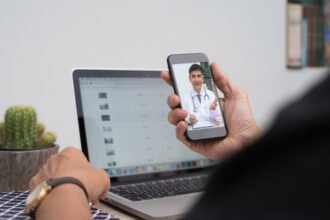
Image courtesy of David Castillo Dominici at FreeDigitalPhotos.net

—

By healthcare business consultant David E. Williams, president of Health Business Group.

Share This Article
Facebook Copy Link Print
Share

Stay Connected

1.5KFollowersLike
4.5KFollowersFollow
2.8KFollowersPin
136KSubscribersSubscribe

Latest News

care settings
The States Leading on Nurse Practice Authority and Why It Matters for Your Career
Career Nursing
April 14, 2026
brain food matters
Brain Food Matters: How Nutrition Shapes Early Development
Health Infographics
April 14, 2026
understanding the teens burnout
Understanding Teen Burnout And Its Lasting Effects
Health Infographics
April 14, 2026
hearing loss issue
How Technology Supports Children With Hearing Loss
Infographics Technology
April 14, 2026

You Might also Like

Medical InnovationsTechnologyWellness

Healthcare Technology is Improving the Way We Sleep

December 22, 2017

Will Wireless Capusle Endoscopy Replace Colonoscopy?

August 1, 2011

The Top 10 Healthcare Innovations of 2012. How Well Did They Do?

December 4, 2012
Image
Medical InnovationsNewsTechnology

Exoskeletons, Computer-Aided Diagnostics and 4 Other Amazing Projects by Google Science Fair Finalists

September 18, 2013
Subscribe
Subscribe to our newsletter to get our newest articles instantly!
Follow US
© 2008-2025 HealthWorks Collective. All Rights Reserved.
  • About
  • Contact
  • Privacy
Welcome Back!

Sign in to your account

Username or Email Address
Password

Lost your password?