The modern data revolution is upon us. It’s been boiling over for a few years now. Nearly everything and anything exists in a digital form, collecting, reporting and processing important digital content — from fitness trackers that monitor your personal health to smartphones that track how you use them and interact with the world around you.
IoT, or the Internet of Things, is a great example of how the world is becoming more digitized. Such devices are essentially smart, connected platforms meant to collect and report various streams of data. They can also reach out and communicate with nearby systems and devices. Imagine a smart home thermostat that can help you conserve energy by cutting down on air and heating use, yet can also sync up with home lighting systems to save you money on electricity bills.
The healthcare and medical industry is no stranger to this change, and just like everything else, it’s also becoming more modern, more digitized. You wouldn’t think so, but it helps doctors and health professionals become more proficient, and offers better care and coverage for patients.
How Big Data Helps the Healthcare Industry
To understand how it helps — or how to leverage it — you must first understand why and where data makes such an impact.
The best way to explain it is this: Everything you do, everything you interact with and everything you experience essentially creates a stream of data. That information can be collected using modern digital systems. The data then goes to a remote network, where it can be analyzed and processed to extract actionable insights.
Let’s say you visit the doctor because you’re having regular chest pains. A traditional visit would require you to share symptoms, personal activities and various consumable in your life from diet and food to the medicines you’re taking. The health care professional would then use their knowledge and experience, combined with the information you provided to make a proper diagnosis.
The obvious first thought behind what’s causing chest pains is a potential heart attack or similar health issues. However, there are many underlying reasons why a patient might be experiencing chest pain. Anxiety and panic attacks, for example, can also cause severe pain.
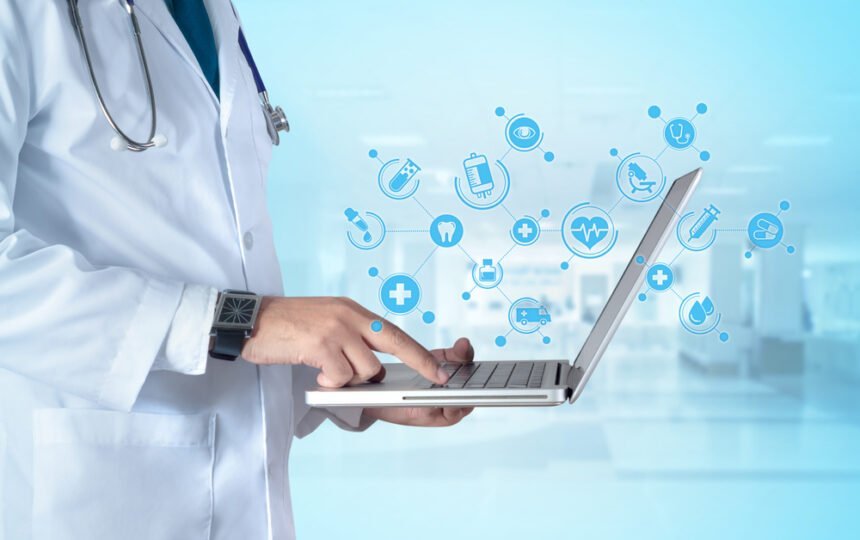
In the future scenario, the data the doctor would normally collect instead goes into a computer-based system, and an AI tool or platform assesses the information and delivers a diagnosis. The biggest difference is that the computer system has much more information at the ready. It can access the entirety of the patient’s health care records, for example. It can also access information and data related to similar experiences across the network. If other patients had similar symptoms or issues, for example, the data system can compare this accurately. More importantly, a computer can process the data and provide results at incredible speeds.
And this is just a single, theoretical example of how data can make a huge difference in the medical industry. Such systems can also prevent fraud and security problems, reduce hospital and office waiting times, identify high-risk patients, provide better care and medicine or even enhance patient outcomes.
Healthcare mapping software is another application that can offer considerable benefits. Location- and area-based mapping tools can be used to keep track of equipment, personnel, and even patients while on a hospital campus. It can also deliver in-home medical services on a more consistent basis. Professionals remain better informed of emergency and health situations, resource management — including the necessary hospital space — and proper treatments.
The Influence of Healthcare Data In the Real World
In many cases, data is already rampant in the healthcare and medical industry, and it’s improving operations and patient care in several ways. Many hospitals, for instance, have already adopted electronic health records for patient records and reporting. It’s a much more convenient and organized way to keep track of patient visits, past ailments, and various treatments.
A hospital in Paris is currently using a predictive analytics system to help reduce waiting times. Essentially, it monitors current trends and historical data to determine a proper staffing schedule. As a result, the hospital always has the right amount of personnel available to meet current demands.
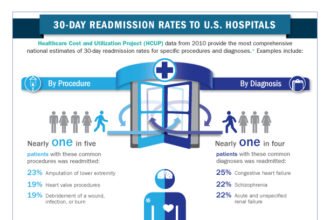
Similarly, a few hospitals have reduced the number of ER visits by regular patients, using predictive analytics to determine high-risk potential. After identifying a patient as high-risk, they can help provide more personalized and accurate care, on an individual basis.
Each one of these real-world examples is possible thanks to a steady stream of accurate and reliable healthcare data. Going forward, there are so many ways in which the healthcare industry can improve, just by relying on modern, contextual data.
It’s safe to say big data or data systems, in general, play a considerable role in the regular and efficient operations in the healthcare industry, allowing for better patient care.