In the future, the way we engage with each other in healthcare settings, both as patients and as healthcare providers, will be more intelligent, specialized, and customized than ever before. One reason is that the nature of traditional prescriptive care for symptoms and conditions is becoming outdated.
In the future, the way we engage with each other in healthcare settings, both as patients and as healthcare providers, will be more intelligent, specialized, and customized than ever before. One reason is that the nature of traditional prescriptive care for symptoms and conditions is becoming outdated. Statistically speaking, there is only a fifty-fifty chance that prescribed medication will be effective. The good news is that many ailments and conditions are preventable; however, a patient’s genetic or biological profile should always be taken into consideration. Not only is this the preference of most people, but the chances of swift healing are increased under this model, as well.
There are also more people in the field of healthcare, including both patients and health care providers. Because of the proliferation of both patients and medical professionals, there’s an increased need for careful thoughtfulness throughout the patient care process. Because of the complexity and need for a high degree of intelligence, requirements for professional certification and college degrees are becoming more prevalent and stringent: “New roles for nurses emerge every day. The need for educated health workers who care for the most vulnerable people and carry enormous responsibility is not new, but requires more critical thinking than ever before.”
Whereas it used to be the case that an Associate’s degree was the standard required degree, a Bachelor’s degree in the form of a BSN is the new minimum requirement. Another reason for the changing professional standards is the need for well-rounded healthcare professionals with the ability to both multi-task and relate to their patients in a variety of ways. Also, because of the increasing variety of hospital facilities and patient needs, there is a palpable need for more leaders in the healthcare field. Increasing numbers equate to an increasing demand for organization via structure and management.
More Read
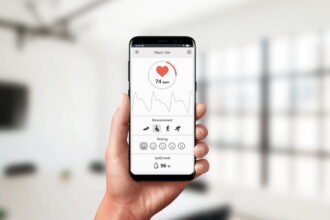
In light of these changing educational requirements, it’s definitely in the best interest of nursing professionals to pursue a graduate degree such as an MSN or DN. Another part of the reason that minimum requirements are increasing is because developing technology is beginning to alter the landscape for nursing professionals, making it necessary for nurses to be well-versed in database programs that store patient information. For example, a student enrolled in the Master of Healthcare Innovation program at Arizona State University recently developed an app that allows patients to keep charge of their appointment schedule, complete with mobile appointment check in, wait time information, and fasting requirements so as to not interfere with assessments scheduled for the next appointment.
The Robert Wood Johnson Foundation echoes many of the above observations, concluding that the future of nursing now includes the goals that Campaign for Action, an initiative established by the Institute of Medicine, drafted five years ago in 2010. Four goals they set out to advance include access to care, education, leadership, and diversity. All of these goals become more successfully enacted with the help of advanced education and medical degrees in nursing and health informatics.
GIS technology and big data exists, and the potential for system-wide reform is possible; however, it will require widespread implementation via leadership and collaboration from both management and professionals at all levels of the system in order for these technological advancements to be best utilized. There’s ample opportunity for delving into these new frontiers of possibility via education, research, technology, and leadership. Let us venture forth, then.