By using this site, you agree to the Privacy Policy and Terms of Use.
Accept
Health Works CollectiveHealth Works CollectiveHealth Works Collective
  • Health
    • Mental Health
  • Policy and Law
    • Global Healthcare
    • Medical Ethics
  • Medical Innovations
  • News
  • Wellness
  • Tech
Search
© 2023 HealthWorks Collective. All Rights Reserved.
Reading: Glucose Monitoring Research Drives More Promises Than Answers
Share
Notification Show More
Font ResizerAa
Health Works CollectiveHealth Works Collective
Font ResizerAa
Search
Follow US
  • About
  • Contact
  • Privacy
© 2023 HealthWorks Collective. All Rights Reserved.
Health Works Collective > Wellness > Home Health > Glucose Monitoring Research Drives More Promises Than Answers
Home HealthMedical DevicesWellness

Glucose Monitoring Research Drives More Promises Than Answers

PatrickDriscoll
PatrickDriscoll
Share
2 Min Read
Glucose monitoring
SHARE

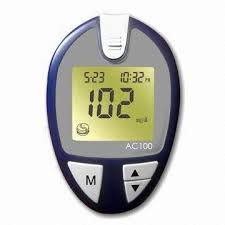
Glucose monitoringIf I had a nickel for every headline like this that ultimately failed, like the technology, to actually achieve the promise, I would be on a tropical beach sipping pina coladas:

“Glucose monitoring for diabetes made easy with a blood-less method.” (link)

Glucose monitoringIf I had a nickel for every headline like this that ultimately failed, like the technology, to actually achieve the promise, I would be on a tropical beach sipping pina coladas:

“Glucose monitoring for diabetes made easy with a blood-less method.” (link)

More Read

Risk of Diabetes
Beyond Cutting Sugar: 5 Ways to Cut the Risk of Diabetes
Ideal Medtech Products
How to Increase Height with Food and Exercises
HIMSS 2013: Mayhem or Magic?
The Dawn of the Worried Well

Technologies in development for less-invasive or non-invasive glucose monitoring are legion, and many are very promising, but you can’t fill out a deposit slip with these promises. Frequently, such alternatives are based on the premise of quantifying blood glucose by sensitively detecting glucose in other fluids (interstitial fluid, tears, saliva, urine, etc.) that do not require the use of lancets to draw blood. However, despite their sensitivity and other sophistication in detecting minute quantities of glucose, their “arm’s length” to actual blood glucose compounds the challenge by requiring that the test reproducibly correlate the sample values with actual, current blood glucose levels.

The challenge stands unanswered, while the burgeoning population of endlessly finger-pricked diabetics remains painfully unsatisfied.

As a practical reality, continuous blood glucose monitors like those from Dexcom and Medtronic offer far more to the diabetic population, not only by avoiding finger pricks but also by revealing the patterns in blood glucose levels over time as a result of activity, carbohydrate intake, insulin bolus, insulin basal rate, stress and countless other patient-specific determinants.


Share This Article
Facebook Copy Link Print
Share
By PatrickDriscoll
Follow:
I serve the interests of medical technology company decision-makers, venture-capitalists, and others with interests in medtech producing worldwide analyses of medical technology markets for my audience of mostly medical technology companies (but also rapidly growing audience of biotech, VC, and other healthcare decision-makers). I have a small staff and go to my industry insiders (or find new ones as needed) to produce detailed, reality-grounded analyses of current and potential markets and opportunities. I am principally interested in those core clinical applications served by medical devices, which are expanding to include biomaterials, drug-device hybrids and other non-device technologies either competing head-on with devices or being integrated with devices in product development. The effort and pain of making every analysis global in scope is rewarded by my audience's loyalty, since in the vast majority of cases they too have global scope in their businesses.Specialties: Business analysis through syndicated reports, and select custom engagements, on medical technology applications and markets in general/abdominal/thoracic surgery, interventional cardiology, cardiothoracic surgery, patient monitoring/management, wound management, cell therapy, tissue engineering, gene therapy, nanotechnology, and others.

Stay Connected

1.5KFollowersLike
4.5KFollowersFollow
2.8KFollowersPin
136KSubscribersSubscribe

Latest News

The Riskiest Part of Getting Sick Isn't the Diagnosis. It's the Handoff
The Riskiest Part of Getting Sick Isn’t the Diagnosis. It’s the Handoff
Health
July 20, 2026
Patient Acquisition and digital-marketing
The Future of Patient Acquisition: Modern SEO & Digital Marketing for Dermatology Practices
Health Marketing Medical Innovations Technology
July 20, 2026
a person putting a bandage on a woman s head
The Long-Term Health Consequences of Untreated Personal Injuries
Health care
July 17, 2026
medicare mistakes seniors usually make
The Hidden Healthcare Costs Seniors Should Plan For
Global Healthcare Senior Care
July 15, 2026

You Might also Like

Image
Health ReformNewsPolicy & LawWellness

Physician Burnout and the Changing Approach to Practice

February 14, 2013

Employee Devices + Mobile Healthcare Information = a Quiet, Perfect Storm

April 20, 2012
health checkups
Wellness

6 Regular Health Checkups You Need To Get

June 21, 2022
Home HealthPublic HealthWellness

6 Ways Living Green Can Be Better for Your Health

June 26, 2017
Subscribe
Subscribe to our newsletter to get our newest articles instantly!
Follow US
© 2008-2026 HealthWorks Collective. All Rights Reserved.
  • About
  • Contact
  • Privacy
Welcome Back!

Sign in to your account

Username or Email Address
Password

Lost your password?