We use cookies, including third-party cookies from Google to serve personalized ads through AdSense, to operate this site and understand how it is used. By continuing to browse, you accept this use. See our Privacy Policy and Terms of Use for details, including how to opt out of personalized advertising.
Accept
Health Works CollectiveHealth Works CollectiveHealth Works Collective
  • Health
    • Mental Health
  • Policy and Law
    • Global Healthcare
    • Medical Ethics
  • Medical Innovations
  • News
  • Wellness
  • Tech
Search
© 2023 HealthWorks Collective. All Rights Reserved.
Reading: Health Care’s Anti-Cash Bias
Share
Notification Show More
Font ResizerAa
Health Works CollectiveHealth Works Collective
Font ResizerAa
Search
Follow US
  • About
  • Contact
  • Privacy
© 2023 HealthWorks Collective. All Rights Reserved.
Health Works Collective > Business > Finance > Health Care’s Anti-Cash Bias
BusinessFinanceHealth ReformHospital AdministrationPolicy & LawPublic Health

Health Care’s Anti-Cash Bias

JohnCGoodman
JohnCGoodman
Share
3 Min Read
obamacare cash
SHARE

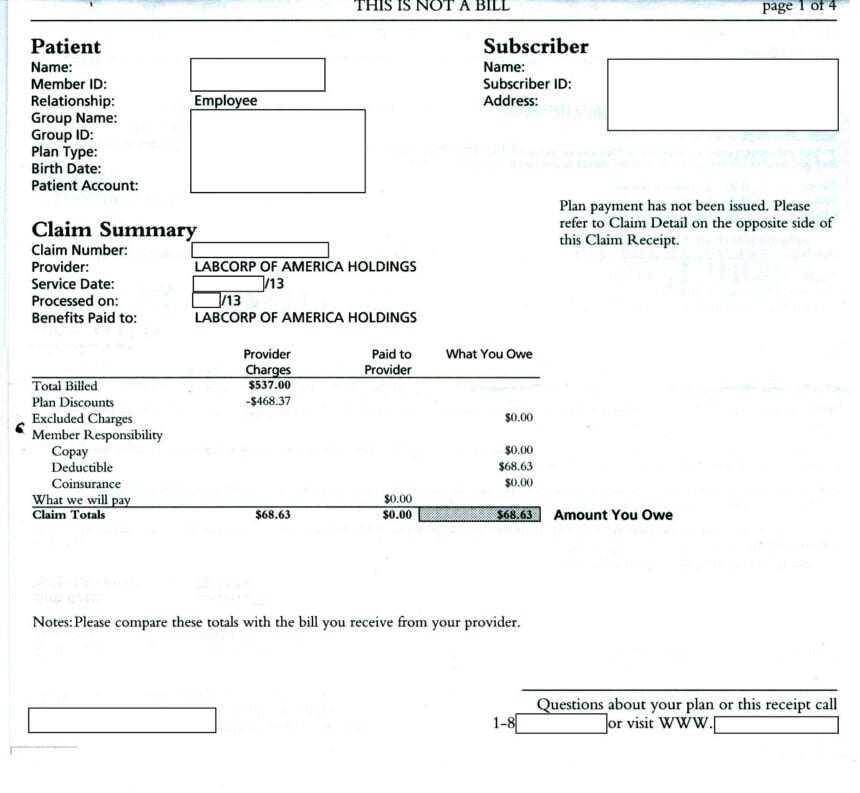
The patient needed a standard set of blood tests at LabCorp. The busy receptionist obligingly spent time querying her software to figure out the cash price for the tests. She came up with a quote of $537.00. Given the quote, the patient decided to go with his insurer’s network price.

Wise move.

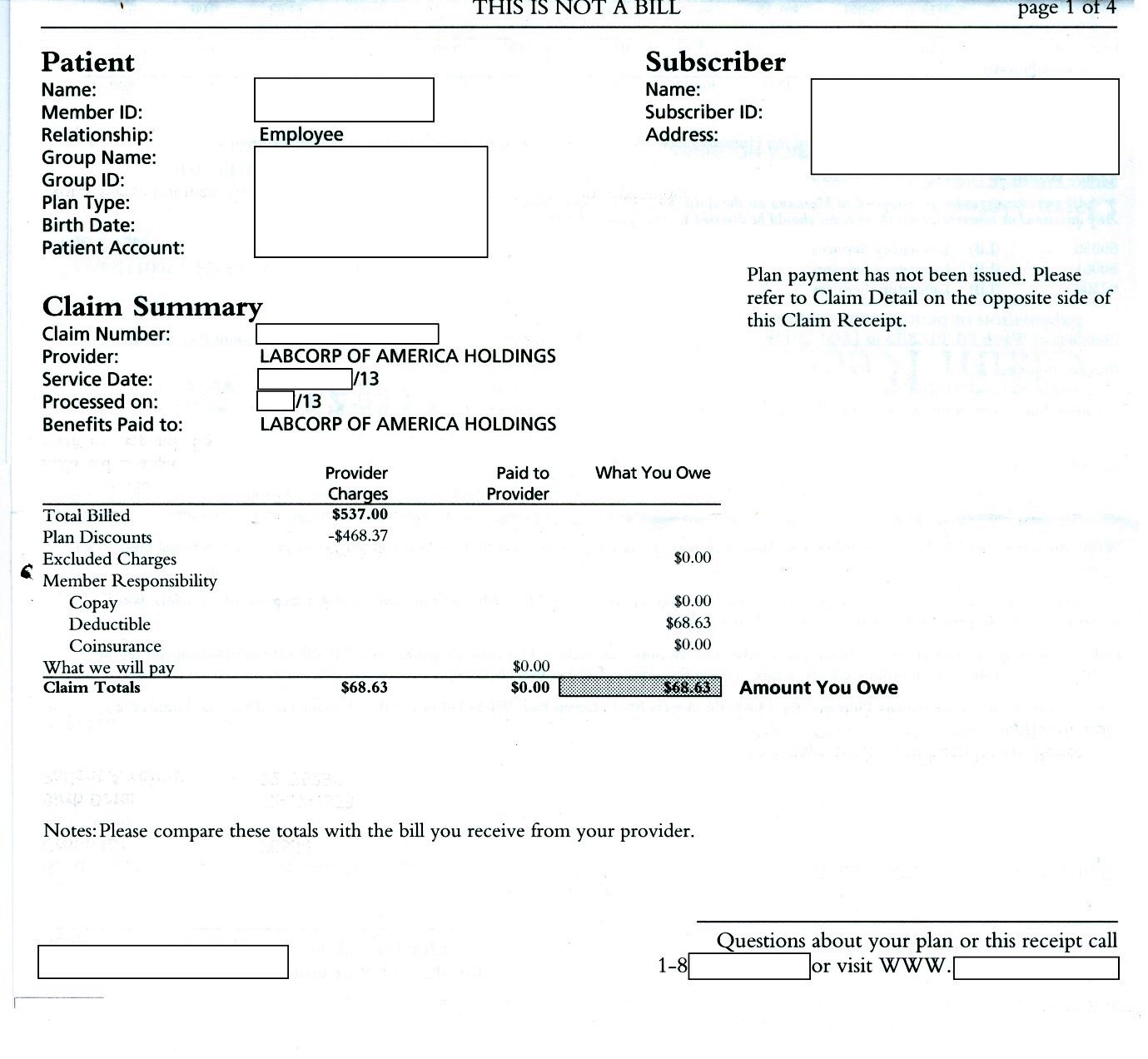
As the statement of benefits shows, the network price was $68.63, a $468.37 saving over the cash price of $537.00.

This experience provides food for thought in several dimensions:

More Read

Transforming Medicaid via the Medical Home Model
Why Non-Extraction Orthodontics Are Great For Healthier Teeth
What distinguishes functional medicine from holistic medicine?
Ryan-Wyden Reflective of Western Approach to Medicine
Japan (Of All Places) Has a Fat Tax

The patient needed a standard set of blood tests at LabCorp. The busy receptionist obligingly spent time querying her software to figure out the cash price for the tests. She came up with a quote of $537.00. Given the quote, the patient decided to go with his insurer’s network price.

Wise move.

As the statement of benefits shows, the network price was $68.63, a $468.37 saving over the cash price of $537.00.

This experience provides food for thought in several dimensions:

  1. With respect to claims by legislators that requiring providers to post their prices will help reduce medical costs, which price do you think LabCorp will post? Will this be an improvement that justifies the regulatory burden?
  2. Based on a variety of anecdotes (and if one has enough anecdotes they become data), smaller medical entities like individual physician practices and stand-alone therapeutic facilities are almost always willing to offer a cash discount. So are hospitals, when approached by firms in the business of arranging cash discounts. ObamaCare rules are designed to replace small health care businesses with large networks run by hospitals or insurers. What will this do to people’s ability to negotiate lower prices using cash payment?
  3. Medicaid managed care, which emphasizes contracts with big networks, has long been promoted as a cost reducing alternative to Medicaid fee-for-service, which pays individual physicians for their services. Accumulating evidence suggests that, contrary to expectations, Medicaid managed care ends up costing more than fee-for-service. What role does organizational size have in resisting pricing pressures?
obamacare cashhealthcare reform

Share This Article
Facebook Copy Link Print
Share

Stay Connected

1.5KFollowersLike
4.5KFollowersFollow
2.8KFollowersPin
136KSubscribersSubscribe

Latest News

Before Sterilization Begins: Why Bioburden Testing Matters -- AI-generated illustration
Before Sterilization Begins: Why Bioburden Testing Matters
Health Infographics
September 11, 2026
Hidden Cybersecurity Roadblocks That Can Complicate FDA Submissions -- AI-generated illustration
Hidden Cybersecurity Roadblocks That Can Complicate FDA Submissions
Infographics Policy & Law Technology
September 11, 2026
Smaller, Lighter, Smarter: How Inflation Is Changing Wellness Packaging -- AI-generated illustration
Smaller, Lighter, Smarter: How Inflation Is Changing Wellness Packaging
Infographics Wellness
September 11, 2026
How Roof Deterioration Affects Indoor Air Quality and the Health of Building Occupants -- AI-generated illustration
How Roof Deterioration Affects Indoor Air Quality and the Health of Building Occupants
Health
September 10, 2026

You Might also Like

Health Reform

Wanted: a GOP That’s Not Scared of Progress in Health Care

May 19, 2011
denied medical claim
BusinessFinanceHospital Administration

Reducing Medical Denials Equals Increased Revenue

October 10, 2013
eHealthHealth care

How Medical Carts Improve Operations And Computerization

January 30, 2019

Keeping Medical Device Designs Relevant in a Big Data World

February 20, 2014
Subscribe
Subscribe to our newsletter to get our newest articles instantly!
Follow US
© 2008-2026 HealthWorks Collective. All Rights Reserved.
  • About
  • Contact
  • Privacy
Welcome Back!

Sign in to your account

Username or Email Address
Password

Lost your password?