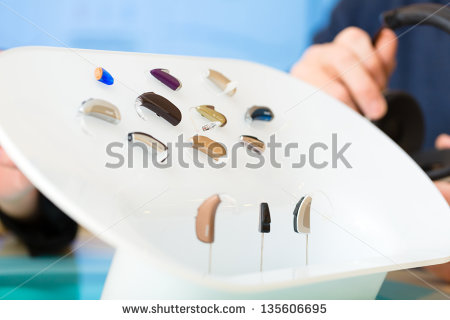
 Hearing aids have been expensive — until now.
Hearing aids have been expensive — until now.
An interesting story in The New York Times a little over a year ago relayed the journey of a woman who had broken the shell of one of her hearing aids. Shocked at the price of hearing aids from private audiologists — at least $2,000 for a set, and usually $3,000, she sought another solution. Learning that about 70 percent of this price is retail mark up, the woman searched online and found hearing aids available at reputable online stores — such as Audicis or Costco — for as little as $399. Searching a little more, she found an audiologist who offered to repair the shell of her old hearing aid for $100. So, that’s the choice she made.
But it gets even better. Only one year later, new technology has allowed entrepreneurs to develop hearing aids that they plan to sell for $300, and that have better sound quality than ever, according to neutral reporters.

But wait — there’s more!
This good news comes in a fascinating article by a venture capitalist published at VentureBeat just last month. The author, who invests in health technology ventures, sketches out the economics of the hearing-aid industry. It has been high margin and low volume. Traditionally, the manufacturer would sell a pair of hearing aids to an audiologist for $1,000, earning a gross margin of 43 percent. At a retail price of $3,000, after buying the device and incurring sales and other costs, the audiologist’s gross margin has been 55 percent. On the other hand, the average audiologist only sells 16 pairs a month.
But that is all changing. Not only are online vendors and innovating hearing-aid manufacturers cutting costs and improving quality and service times, but digital developers are offering online hearing apps via iTunes and other virtual stores for as little as $3.99. (Yes: There is a decimal after that 3.)
It has taken a long time, but the price of hearing aids is in the process of falling dramatically. How has this happened? Technological innovation, of course, but there is more. There’s no shortage of technological innovation in U.S. health care. However, because third-party payers, that is, health insurers and governments, determine prices, there is no mechanism for customers to signal value to providers.
This is not the case for hearing aids: Although some states have mandated insurance coverage for hearing aids, this is usually limited to disabled children. The big market for hearing aids is seniors, and Medicare does not cover hearing aids.
This is another case of a phenomenon observed elsewhere by NCPA Senior Fellow Devon Herrick: Where patients pay directly for medical care, prices fall like they do in every other market.
Seniors who want highly personalized service from an audiologist in his own practice can get it, and they will pay for it. Those who want to order online can save money by doing that. Those who want to get their old hearing aids repaired can make that choice. And the most adventurous seniors, who don’t mind running an earpiece into an iPhone, can get a functional hearing aid almost for free.
We are on the verge of enjoying universal access to hearing aids — but only because the government restrained itself from interfering and let the market operate.
(hearing aids / shutterstock)