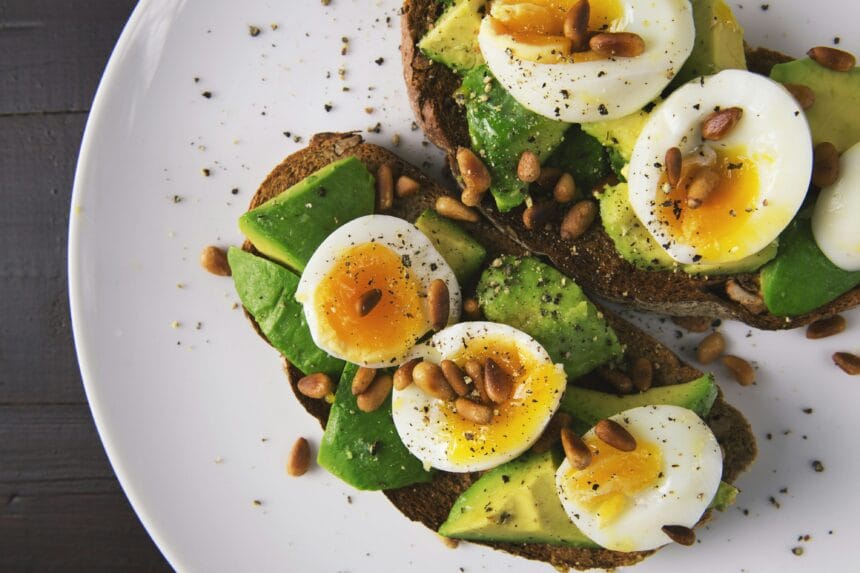
While the availability of information about how to live a well life is vast, implementing changes is the bigger challenge. However, incorporating high-protein meals into your lifestyle can be the first step toward establishing a wellness journey that finally sticks. With more protein in your diet, you can see big improvements in your mood, metabolism, and energy levels.
You already need to eat, so why not make your meals support your busy life and wellbeing? Learn how balanced high-protein meals can fit into your life at any phase and in any household.
Make Protein the Foundation for Your Wellness Endeavors
Experts say to put the mask on yourself first, and they are right, especially when it comes to nutrition. Without a solid nutritional base, you’re setting the rest of your day up for failure. Thankfully, shifting your meals to prioritize protein is one of the simplest changes you can make today.
Trim down recipe complexity and choose a meat and two side items as you develop your high protein meal plan. Aim for 30 or more grams of protein on your plate, and pair it with nutrient-rich vegetables.
Leafy greens provide iron and vitamin C, and they can be dressed as a salad or cooked down. Potatoes can transform the meal and provide easily digestible carbohydrates, fiber, and even some protein.
Focus first on getting enough protein at all of your meals before making wide-sweeping health changes. This way, you’ll master one life shift before taking on more, helping you maintain your new healthy habit.
Power Your Day for Work, Life, and Wellness
These days, life is more demanding than ever, and you need nutrition that supports your schedule. A high-protein diet keeps your energy steady and reduces the likelihood of crashes. Protein is digested more slowly than carbohydrates or fat, meaning you’ll stay satisfied after each meal.
You’ll stabilize blood sugar, meaning mid-morning and afternoon slumps are a thing of the past. Additionally, you may experience less urgency as meal times approach, avoiding impulse snacking and instead enjoying your meal. This way, you’ll be able to eat more slowly, chewing fully, and noticing the flavors and textures of your food.
All this combined means you’ll be more satisfied, and your body will get the most nutritional value from each bite. Finally, you’ll also enjoy more consistent mental focus, making demands at home and projects at work easier to juggle.
Stay Fuller, Longer to Flex Your Life
Sometimes, the schedule just doesn’t work in your favor, and you have to roll with it. This is especially true when caregivers are balancing the demands of work and their children’s logistics.
High-protein meals may as well be the secret to managing your schedule and it managing you. Meals based on protein are often simple, repeatable, and friendly for varying tastes and preferences.
If your family manages health issues or allergies, high protein simplifies things further. Low-effort staples like rotisserie chicken, eggs, canned fish, like tuna or salmon, and cottage cheese make meals easy. Combined in a salad or enjoyed separately, these high-protein stars keep you satisfied throughout the day.
High-protein options, prepared ahead of time, can keep fresh in the fridge for the whole week. Plan ahead and cook a pork shoulder to enjoy for a meal, and remix the extras. For families with varied schedules, this can be a lifesaver to ensure everyone is well-fed for their activities.
Support Metabolic Needs and Manage Hormones Naturally
Stop chasing the latest diet trend and instead turn to protein. All bodies need protein, but as you age, muscles, bones, and your brain need protein support. As early as age 30, the human body begins to lose muscle tone.
Load-bearing exercises like weight training can help reduce this loss, but protein is essential for long-term health. Protein helps preserve lean muscle mass and keeps resting metabolism higher. As noted, protein takes longer to digest, requiring more calories to digest protein itself than other macronutrients.
A high-protein diet can also reduce fat storage around the midsection, which is very common as aging takes place. The more lean muscle mass on the body, the better positioned you are for aging well.
Protein helps manage blood sugar, so hormones like estrogen and progesterone feel at ease, and cortisol output is lower. This means your hormones become more predictable, supporting healthy digestion and mood.
Protein-Based Meals are Made for the Whole Family
There’s something good for everyone in your household with high protein meals. Kids can focus better at school because they’re hungry less often. Their growth and development needs are supported through good nutrition and digestion.
A protein-based diet supports brain function by providing steady-state energy. Kids can focus better in school, perform on the field and stage, and still have energy for home life.
Kids can also navigate hormone shifts more easily, as nutrient-dense meals support their changing bodies. Protein can also reduce the instances and intensity of mood disruptions that puberty brings on.
Make Your Well Life a Reality with a High-Protein Lifestyle
Secure the foundation of your well life and make a habit of preparing high-protein meals for you and your family. By ensuring your bodies are fueled with lasting energy and metabolic support, you’ve already won.
With improved energy, you’ll be able to pursue the active lifestyle, exciting trip, or big project you’ve been too tired to tackle. Give your body the respect and kindness it deserves through protein-rich meals that honor your commitment to modern wellness.