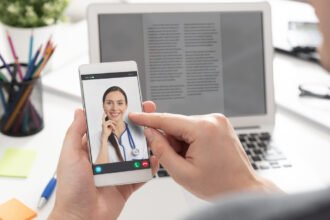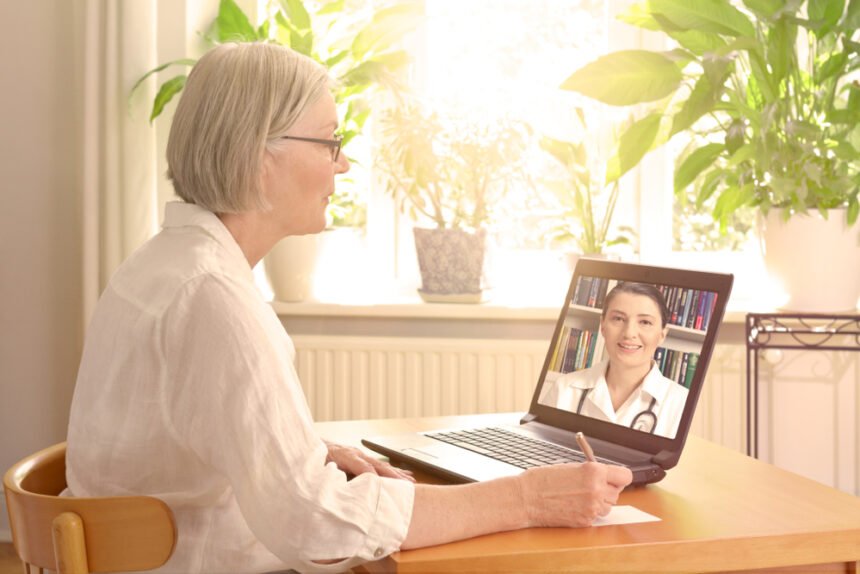
The world has changed in a matter of weeks due to Coronavirus. Athletes have had their final competitions canceled and the Olympics has been moved to 2021 in Tokyo. Social distancing is being pushed and healthcare is changing due to this rapidly spreading virus. Telehealth has now become essential in flattening the curve of Coronavirus cases. The technology being utilized has existed for quite some time but due to certain restrictions, this area of health had not seen its full potential. Changing times require changing methods of treating and seeing patients. Telehealth is being adopted by medical professionals around the world and is even being used to see emergency room patients. Below is information on how telehealth is erupting along with the changes that have made this possible.
Reasons Telehealth Lacked Popularity Before COVID-19
The largest healthcare payer in the country is CMS or Centers for Medicare & Medicaid Services. They recently have dropped certain restrictions that billed physical appointments and virtual appointments at very different rates. The relaxed restrictions were in order to maximize the medical workforce. Seeing a doctor located across state lines is no longer restricted. NP have even seen lessened restrictions with the ability to perform certain medical exams at nursing facilities on Medicare patients. People of all ages resist change with telehealth being a change few saw coming a few decades ago. The advances in technology have made it easier than ever to do a virtual doctor’s appointment. Many medical professionals resisted as well due to the payment discrepancies mentioned above. Other doctors resisted as they feel like they have to have a hands-on approach with their patients. Security concerns also were abundant with HIPPA violations leading to enormous issues. A data breach of a person’s medical records would be invasive and are much less likely to happen with physical records. A secure app still needs to be used with some virtual doctor visits utilizing Zoom. Zoom has been used by a variety of people during the outbreak like physical therapists or friends that just want to spend a Friday night together Older people might not have had the technology or know how to use it in the past. Instead of having it set up, they would have rather gone to the doctor. For certain ailments, physical touch might be required but this is rarely the case when simply going for an annual checkup. Now that many of the older generation have tried out a telehealth service, a percentage might opt for the convenience it provides. For those that have a tough time driving, this can allow them to see their doctors without arranging a ride or grabbing an Uber. After the pandemic has faded, the telehealth demographic will have changed drastically to include those 65 and up.
Robots with Stethoscopes?
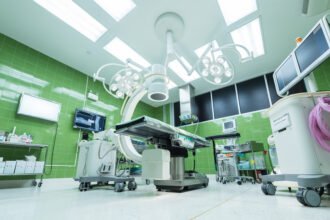
Hospitals have changed immensely since of outbreak of COVID-19 due to the potential of the virus to rapidly spread. Hospitals have been reducing contact with patients while making rounds or even seeing emergency room patients. Robots have been the answer as many have an iPad or other device implanted or connected to the robot. These robots go from room to room helping ease the stress of medical professionals. The need to change gloves, masks, and other protective gear takes healthcare workers time. With emergency rooms and other units being overwhelmed, there simply is not time for this. Certain robots do have a stethoscope attachment allowing a doctor to listen to the heart and lungs of their patient in real-time.
Telehealth After the Pandemic
For those that live in cities where driving is nothing short of a nightmare, telehealth services can eliminate a troublesome drive. The ability to move without changing doctors will prove very useful to both patients and doctors alike. Your doctor knows your health status and a new doctor might overlook an underlying condition when prescribing something. A certain type of medication that is noted to cause pancreatitis could be overlooked leading to immense pain for the patient. A doctor can also expand their patient number as patients leaving a local area is a common reason for patients leaving a specific practice/doctor. The world has changed but the pandemic will fade with some of these changes becoming permanent. Telehealth provides that convenience patients yearn for rather than waiting in a room for of sick people for an overbooked doctor. Look for virtual doctor visits to continue to be booked at higher rates than ever!