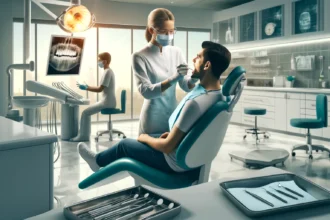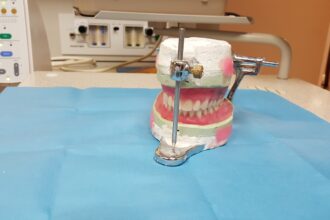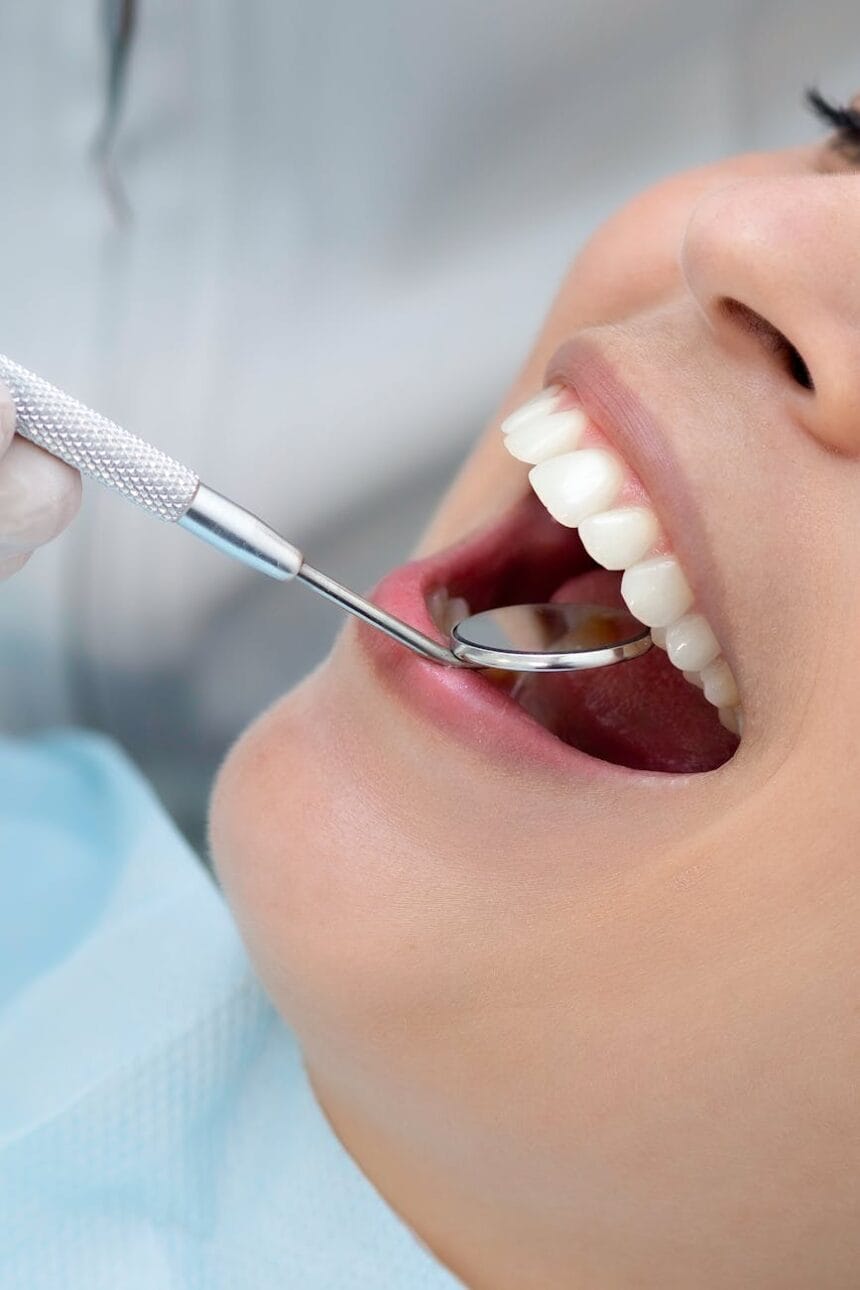
Oral care has gradually moved beyond routine brushing and occasional checkups, becoming a more deliberate part of overall wellness. People now pay closer attention to how their teeth look and function, and they expect solutions that fit naturally into their schedules. This shift has encouraged professionals to rethink how they present options, focusing on comfort, flexibility, and long-term results rather than rigid processes that interrupt daily habits.
At the same time, technology has influenced how individuals approach personal care decisions. Digital tools, remote consultations, and tailored treatment plans have created a more informed audience. People no longer rely solely on traditional methods; they look for solutions that adapt to their routines without requiring major lifestyle changes. As a result, modern oral care now blends convenience with precision, offering approaches that feel less intrusive while still delivering meaningful outcomes.
A Clear Option That Fits Into Daily Routines
According to VIP Smiles, among the newer options available, invisalign has become a well-known choice for those looking to improve alignment without drawing attention to the process. Unlike more visible alternatives, this method uses clear aligners that are designed to sit comfortably over the teeth. Because they are removable, individuals can continue eating their usual meals and maintaining their hygiene routines without significant disruption, which makes the process feel more manageable over time.
Another factor that contributes to the popularity of invisalign is how it integrates with modern lifestyles. Many people balance work, social commitments, and personal responsibilities, so they prefer an option that does not interfere with those priorities. With aligners that can be taken out when needed, users gain more control over their experience. This flexibility often makes it easier to stay consistent with treatment, which plays a key role in achieving reliable results.
The Role of Personalization in Modern Treatments
One of the defining features of current oral care solutions is the level of personalization involved. Instead of relying on a one-size approach, professionals now use advanced imaging and planning tools to create treatment plans tailored to each individual. This allows for more accurate predictions and adjustments, which helps maintain progress throughout the process. As a result, patients often feel more confident in the path they are following.
Personalization also extends beyond the technical aspects of care. Communication between patients and providers has improved, with regular updates and check-ins that help address concerns early. This ongoing interaction creates a more collaborative environment where individuals feel supported. When people understand what to expect and can track their progress, they are more likely to remain committed and satisfied with the outcome.
Balancing Appearance and Practicality
For many individuals, improving dental alignment is not only about function but also about appearance. However, traditional approaches often required visible equipment that could affect confidence in social or professional settings. Today, the focus has shifted toward options that allow individuals to maintain their usual interactions without feeling self-conscious. This balance between appearance and practicality has become a key factor in decision-making.
At the same time, practicality extends to how treatments fit into everyday schedules. Frequent appointments or strict limitations can discourage people from starting or continuing a plan. Modern solutions aim to reduce these barriers by offering more flexible timelines and fewer interruptions. When a treatment aligns with a person’s routine rather than disrupting it, the overall experience becomes more sustainable and less stressful.
Long Term Benefits That Go Beyond Appearance
While many people begin this process with cosmetic goals in mind, the long-term benefits often reach further. Proper alignment can support better oral hygiene, as straight teeth are generally easier to clean. This can reduce the risk of issues that develop over time, contributing to improved overall health. As awareness grows, individuals are starting to view these treatments as an investment rather than a short-term fix.
There is also a broader impact on confidence and daily interactions. When individuals feel comfortable with their appearance, it often reflects in how they communicate and engage with others. This change can influence both personal and professional experiences. By focusing on solutions that deliver both functional and visual improvements, modern oral care continues to evolve in a way that supports lasting well-being.
An additional advantage that often goes unnoticed is how consistent alignment can support long-term oral stability. When teeth are positioned correctly, there is less uneven pressure during daily use, which can reduce wear over time. This can help maintain the condition of teeth and surrounding structures, reinforcing the idea that these treatments offer value that extends beyond immediate visual improvements.
Where Oral Care Is Headed Next
The future of oral care will likely continue to build on the ideas of flexibility and personalization. As technology advances, treatments may become even more precise and efficient, reducing the time required to see results. Digital monitoring and remote adjustments could further simplify the process, allowing individuals to stay on track without frequent in-person visits. This direction reflects a broader trend in healthcare that prioritizes convenience without compromising quality.
At the same time, awareness and education will play an important role in shaping future choices. As more people learn about the options available to them, they will continue to seek solutions that align with their lifestyles and preferences. This ongoing shift will encourage providers to refine their approaches and offer care that feels both accessible and effective. In the end, the focus remains on helping individuals achieve better outcomes while maintaining the rhythm of their daily lives.
Looking ahead, the integration of digital tools with patient care is likely to expand even further. Real-time tracking, predictive modeling, and improved communication platforms may enhance the overall experience and make treatments more responsive to individual needs. As these advancements continue to develop, they will support a more seamless approach to oral care that aligns closely with how people live and manage their health today.