We use cookies, including third-party cookies from Google to serve personalized ads through AdSense, to operate this site and understand how it is used. By continuing to browse, you accept this use. See our Privacy Policy and Terms of Use for details, including how to opt out of personalized advertising.
Accept
Health Works CollectiveHealth Works CollectiveHealth Works Collective
  • Health
    • Mental Health
  • Policy and Law
    • Global Healthcare
    • Medical Ethics
  • Medical Innovations
  • News
  • Wellness
  • Tech
Search
© 2023 HealthWorks Collective. All Rights Reserved.
Reading: ICD-10 Delay 1 Year to 2014, HHS Announces
Share
Notification Show More
Font ResizerAa
Health Works CollectiveHealth Works Collective
Font ResizerAa
Search
Follow US
  • About
  • Contact
  • Privacy
© 2023 HealthWorks Collective. All Rights Reserved.
Health Works Collective > Policy & Law > Health Reform > ICD-10 Delay 1 Year to 2014, HHS Announces
eHealthHealth ReformPolicy & Law

ICD-10 Delay 1 Year to 2014, HHS Announces

Fred Pennic
Fred Pennic
Share
3 Min Read
SHARE

The Department of Health and Human Services (HHS) Announces ICD-10 Delay 1 Year to 2014

The Department of Health and Human Services (HHS) Secretary Kathleen Sebelius announced a rule finalizing the ICD-10 delay 1 year to 2014 – from Oct. 1, 2013, to Oct. 1, 2014 – in the compliance date for use of ICD-10 codes, which classify diseases and health problems. HHS stated in the announcement, “by delaying the compliance date of ICD-10 from October 1, 2013 to October 1, 2014, we are allowing more time for covered entities to prepare for the transition to ICD-10 and to conduct thorough testing. By allowing more time to prepare, covered entities may be able to avoid costly obstacles that would otherwise emerge while in production.” HHS has estimated that cost avoidance of approximately $3.6 billion to nearly $8 billion dollars as a consequence of providers being unprepared for the transition to ICD-10.

The final rule also proposes adopting a standard for a unique health plan identifier (HPID) due to the lack of consistency in the use of identifiers for health plans resulting in increased costs and inefficiency in the healthcare system. The Affordable Care Act also calls for the establishment of unique identifier for health plans. HHS states in the summary, “prior to this rule, health care providers, health plans, and health care clearinghouses consequently could use EINs, TINs, NAIC numbers, or health care clearinghouse or health plan-assigned proprietary numbers to identify health plans in standard transactions.

More Read

Patient Engagement Helps Healthcare Systems And Patient Outcomes
Join Me at WWHI’s “Discussion with the FDA” on April 28th at Second Health Care Innovation Day (HCI-DC)
Obama Names New Nominee for CMS Head in ’12
What Will Health Insurance Cost and What Will It Cover? Obamacare and You
What Healthcare Professionals can Learn from Sales People

These rules will go into effect on November 5, 2012.

For those healthcare organizations that have postponed their ICD-10 implementation efforts, now is the time to ramp up. This is good news for healthcare organizations who have already spent millions of dollars in their ICD-10 efforts to not lose momentum. Those who have waited or even delayed their efforts until 2013 will feel the heat.

For more information on the final rule is available in a fact sheet (8/24) at: http://www.cms.gov/apps/media/fact_sheets.asp https://s3.amazonaws.com/public-inspection.federalregister.gov/2012-21238.pdf

Featured image courtesy of HealthAxis


TAGGED:ICD-10
Share This Article
Facebook Copy Link Print
Share

Stay Connected

1.5KFollowersLike
4.5KFollowersFollow
2.8KFollowersPin
136KSubscribersSubscribe

Latest News

Flat editorial illustration: Healthcare ethics-and-law training, shown through a coached clinical role-play where structured disc
Medical Ethics and the Law: The Training Behind Professionals Who Resolve Healthcare Disputes
Uncategorized
November 6, 2026
Flat editorial illustration: The article connects routine occupational health screening with early exposure detection and better
What Routine Workplace Health Monitoring in Medical Environments Actually Prevents
Uncategorized
November 6, 2026
Flat editorial illustration: The article contrasts structured prelicensure education with ongoing, practice-focused development f
Academic vs. Clinical Education: How Teaching Settings Shape Nursing Learners and Outcomes
Uncategorized
November 6, 2026
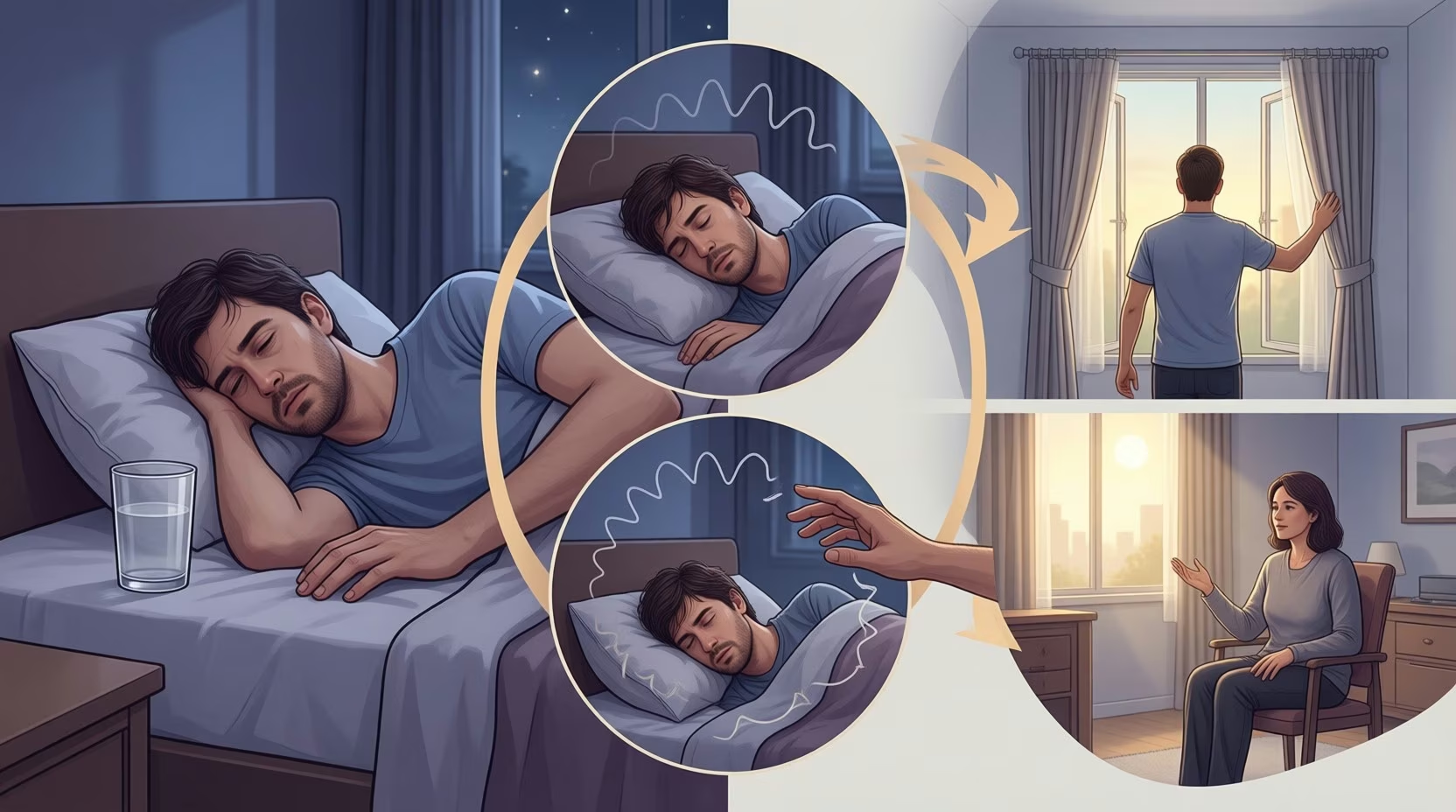
Flat editorial illustration: Health-editorial illustration of the two-way relationship between substance use and disrupted sleep,
How Sleep Disruption Feeds the Addiction Cycle and What You Can Do About It
Addiction Recovery Mental Health Wellness
November 6, 2026

You Might also Like

patient worried
BusinessFinanceHospital AdministrationPolicy & Law

Where Cash Is King, What Happens to Patients?

July 10, 2014

A Health Care Professional’s Social Media Strategy…. The Basics

October 17, 2011

Little Blue Book Blues: Doctors Think Their Website is a Failure

February 11, 2013
malpractice
BusinessPolicy & LawPublic Health

Are Doctors Sued Enough for Medical Malpractice?

May 10, 2014
Subscribe
Subscribe to our newsletter to get our newest articles instantly!
Follow US
© 2008-2026 HealthWorks Collective. All Rights Reserved.
  • About
  • Contact
  • Privacy
Welcome Back!

Sign in to your account

Username or Email Address
Password

Lost your password?