At Healthworks Collective, we have explored how oral health affects confidence, career growth, and long-term wellness. Something that many adults struggle with is crooked teeth that were never corrected in their teenage years or that shifted later in life.
- Why Invisalign Is Changing Adult Orthodontics
- Are You Ever “Too Old” for Invisalign?
- Why More Adults Are Choosing Invisalign
- Common Reasons Adults Seek Treatment
- What About Complex Cases?
- Does Treatment Take Longer for Adults?
- The Emotional Factor: Confidence at Any Age
- Oral Health Considerations Before Starting
- What Happens After Treatment?
Chelsea Dental Aesthetics reports that nearly 75% of adults have misaligned teeth, which shows how common this issue really is. You may feel self-conscious about smiling in photos or speaking up in meetings when your teeth are not aligned the way you would like. Keep reading to learn more.
Why Invisalign Is Changing Adult Orthodontics
The American Association of Orthodontists conducted a survey that found that78 percent of Americans perceive adults with crooked teeth to be unsuccessful. Something that can make this perception difficult is knowing that appearance often influences first impressions in professional and social settings. There are social pressures that extend beyond vanity and affect confidence, communication, and even perceived competence.
You may have avoided traditional braces because of their visibility and the inconvenience they can bring to a busy adult schedule. Another thing that holds many adults back is the belief that orthodontic treatment is only for teenagers. It is common for adults to assume that change is too late, even though teeth can move safely at many stages of life.
More Read

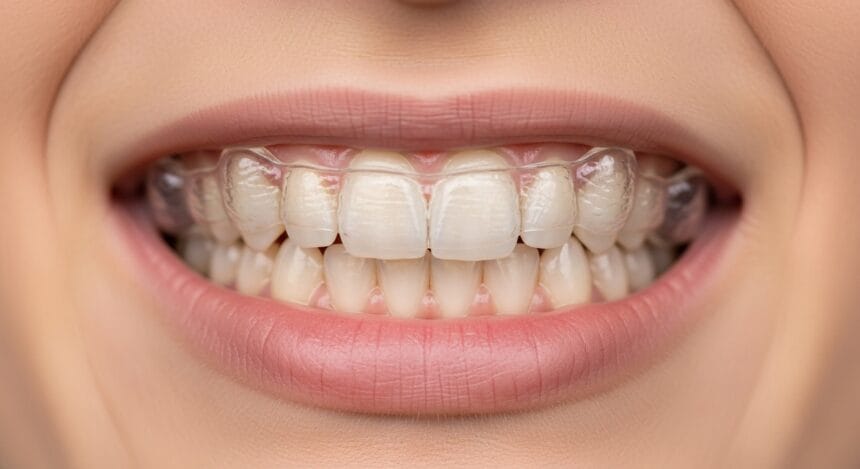
Invisalign aligners have transformed the smiles of more than 21 million people around the world. Something that draws adults to this option is the clear design that allows treatment to remain discreet in professional environments.
You can remove aligners when eating or brushing, which helps maintain normal routines. Another thing that appeals to adults is the comfort of smooth plastic trays compared to metal brackets and wires. It is easier to clean teeth properly when aligners are removable, supporting healthier gums during treatment.
Something that many adults appreciate is the ability to see a projected outcome before treatment even begins. You can review digital models of your teeth and understand how gradual adjustments will improve alignment over time. There are structured treatment plans that provide clarity about timelines and expected progress.
It is not only cosmetic changes that matter when teeth are straightened. You may experience better bite alignment, which can reduce uneven wear, jaw strain, and discomfort. Something that improved alignment can also support is easier flossing and brushing, lowering the risk of decay and gum disease.
It’s a question many adults quietly ask themselves: Is it too late to straighten my teeth? Whether you missed out on orthodontic treatment as a teenager, experienced relapse after braces, or simply never felt confident about your smile, the good news is this — it’s almost never too late.
In fact, more adults than ever are choosing clear aligner treatment to improve both their smile and their oral health. Options like Invisalign in Brunswick are designed specifically with modern adult lifestyles in mind, offering a discreet, flexible and highly effective way to straighten teeth at virtually any age.
So, if you’ve been wondering whether orthodontic treatment is still possible in your 30s, 40s, 50s or beyond, here’s what you need to know.
Are You Ever “Too Old” for Invisalign?
From a biological standpoint, teeth can be moved safely at almost any age, provided your gums and supporting bone are healthy. Orthodontic treatment works by gradually shifting teeth through controlled pressure — a process that remains possible throughout adulthood.
The main difference between treating teenagers and adults isn’t age itself. It’s usually related to:
- Gum health
- Bone density
- Existing dental work (crowns, bridges or implants)
- Long-standing bite issues
If your oral health is stable, clear aligner treatment is typically a viable option. In many cases, adults are actually ideal candidates because they are motivated, consistent and committed to following treatment plans properly.
Why More Adults Are Choosing Invisalign
For many adults, traditional metal braces simply don’t feel like an appealing option. Professional environments, social confidence and lifestyle flexibility all matter. Clear aligners address these concerns by offering:
- Discretion
Invisalign trays are transparent and custom-made to fit snugly over your teeth. Most people won’t even notice you’re wearing them, which makes them particularly popular among working professionals and business owners.
- Removability
Unlike fixed braces, aligners can be removed for eating, drinking (anything other than water), brushing and flossing. This means:
- No food restrictions
- Easier oral hygiene
- Less disruption to daily routines
- Comfort
There are no brackets or wires to irritate cheeks and gums. While some mild pressure is expected when switching to a new set of aligners, many adults report the overall experience to be more comfortable than traditional braces.
Common Reasons Adults Seek Treatment
Adults rarely pursue orthodontics for cosmetic reasons alone. While a straighter smile is certainly a benefit, there are often functional and health-related motivations as well. These may include:
- Crowding that makes cleaning difficult
- Bite issues causing jaw discomfort
- Teeth that have shifted after previous braces
- Excessive wear from misalignment
- Speech concerns
Straightening teeth can improve bite balance, reduce uneven wear and make oral hygiene easier — all of which contribute to long-term dental health.
What About Complex Cases?
A common misconception is that Invisalign is only suitable for mild cases. While that may have been true in the early days of clear aligner therapy, technology has advanced significantly. Today, Invisalign can often address:
- Moderate to severe crowding
- Spacing issues
- Overbites and underbites
- Crossbites
- Relapse after previous orthodontic treatment
Digital treatment planning allows dentists to map out precise tooth movements before treatment even begins. This level of planning offers greater predictability and transparency for patients. That said, every case is unique. A professional assessment is essential to determine suitability.
Does Treatment Take Longer for Adults?
Not necessarily. Treatment time depends more on the complexity of the case than the patient’s age. Many adult Invisalign cases are completed within 6 to 18 months. However, adults must be diligent. Aligners need to be worn for 20–22 hours per day to achieve optimal results. Compliance is one of the biggest predictors of success.
The Emotional Factor: Confidence at Any Age
There is often an unspoken emotional barrier holding adults back from seeking orthodontic treatment — the belief that “I should have done this years ago.” But confidence has no expiry date. Many adults report feeling:
- More comfortable smiling in photos
- More confident speaking professionally
- Less self-conscious socially
- More motivated to maintain oral health
Investing in your smile isn’t about vanity; it’s about comfort, health and self-assurance.
Oral Health Considerations Before Starting
Before beginning Invisalign treatment, your dentist will ensure:
- Gums are healthy
- Any decay is treated
- Existing restorations are stable
- There are no underlying periodontal issues
Addressing these factors first ensures tooth movement occurs safely and predictably. For adults with gum disease, stabilising periodontal health is crucial before orthodontic movement begins.
What Happens After Treatment?
Straight teeth don’t stay straight on their own. After Invisalign treatment, retainers are required to maintain results. Teeth naturally shift over time due to age, pressure from chewing and subtle jaw changes. Wearing retainers as prescribed — often nightly — protects your investment and prevents relapse.
So… Is It Too Late?
You may find that improved alignment enhances speech clarity and overall comfort. Another thing that shifts for many adults is their willingness to smile freely in social and professional settings.
Something that long-term orthodontic care offers is stability and prevention of worsening crowding. You can protect your investment by wearing retainers as directed after treatment ends. It is encouraging to know that millions of adults have successfully chosen clear aligners to improve both appearance and oral health.
In most cases, absolutely not.
If your gums and teeth are healthy, age alone is not a barrier to orthodontic treatment. Whether you’re 28 or 58, clear aligner therapy can offer meaningful improvements in both aesthetics and function. The real question isn’t whether it’s too late. It’s whether you’re ready.
A personalised consultation can determine your suitability, outline treatment timelines and help you understand what results are achievable. Because a confident smile isn’t about age — it’s about choice.