
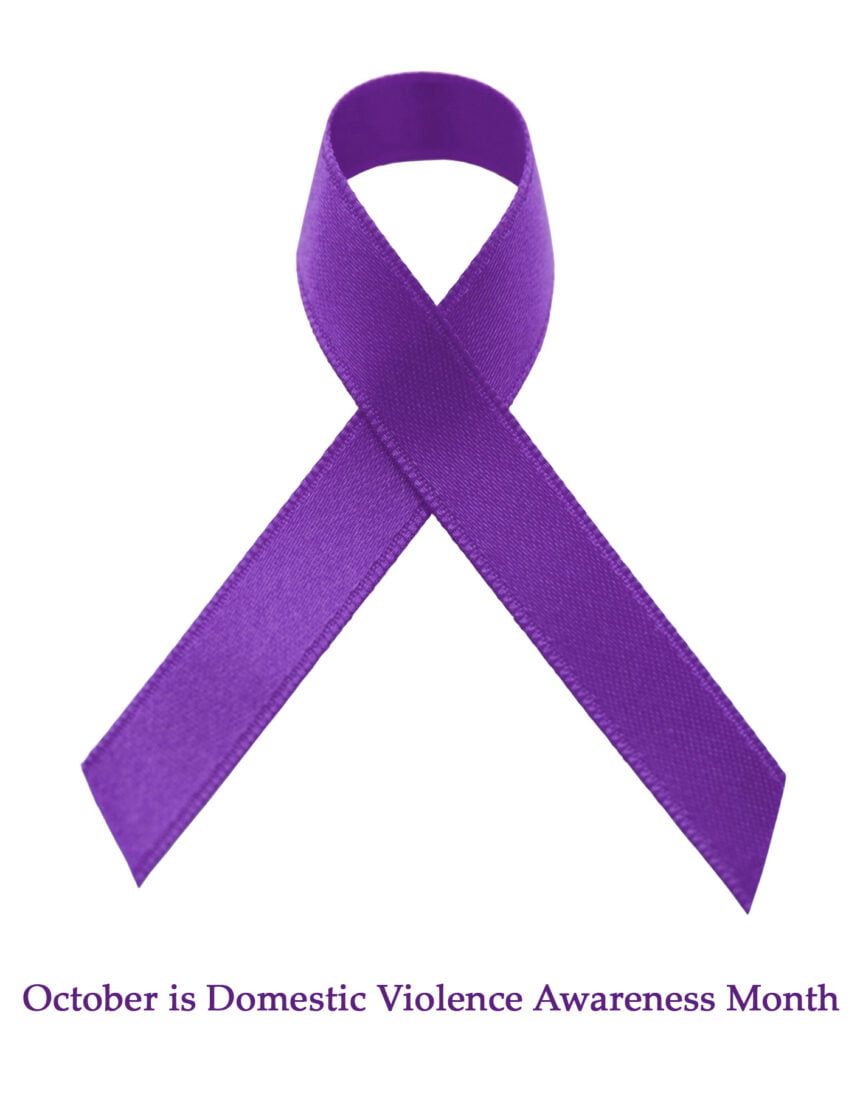
Nearly one quarter of women will experience abuse at the hands of an intimate partner in their lifetimes. Certain statistics, like this one, are so overwhelming, so seemingly insurmountable, that we tuck them away with the other bits of information overload we experience in any given day. Peel each of these women out of the amorphous quarter, though, and you?d find yourself face to face with the coworker who commiserates with you after every Ravens loss, the next door neighbor who always holds the elevator for you when you?re laden with groceries, and that kind stranger at the dog park who gave you advice about clicker-training your unruly Maltese. They?re your friends and your family; they?re the people whose simple presence brings you comfort. But each time they close their front doors, they enter unfamiliar territory. According to the Center for Disease Control, domestic violence is the leading cause of injury to women. The leading cause of death for pregnant women in this country is domestic violence homicide. But the residual impact of violence lingers long after the air has stilled and everything seems back to normal. According to Audrey Bergin, coordinator for the Domestic Violence Program (DOVE) at Northwest Hospital, ?Women who are victims of domestic violence experience higher rates of health issues and are six to eight times more likely to use health services. In addition to injuries, disability, and death, domestic violence leads to strokes, miscarriages, arthritis, chronic pain, unintended pregnancies, HIV and STI?s and many other adverse health conditions.? In a presidential proclamation recognizing Domestic Violence Awareness Month 2011, Barack Obama acknowledged that ?[t]he ramifications of domestic violence are staggering ? Exposure to domestic violence puts our young men and women in danger of long-term physical, psychological, and emotional harm. Children who experience domestic violence are at a higher risk for failure in school, emotional disorders, and substance abuse, and are more likely to perpetuate the cycle of violence themselves later in life.? Beth Huber, LCSW-C, manager of the M. Peter Moser Community Initiatives Department at Sinai Hospital, adds that abuse is about ?power and control.? This is why advocacy on behalf of survivors and their families is especially pivotal. In October 1981, the National Coalition Against Domestic Violence (NCADV) sponsored the first Day of Unity, which sought to bring activists and advocates together in their quest to end violence against women and children; this soon expanded into a full week designed to raise consciousness at the local, state, and federal levels, and to commemorate the lives lost while celebrating survivors? fortitude. Six years later, October became National Domestic Violence Awareness month; that year also marked the beginning of a national hotline (1-800-SAFE or 7233) to help victims find resources. Congress passed the first Domestic Violence Awareness Month commemorative legislation in 1989 and, with the NCADV spearheading the efforts, every year afterward. Day in and day out, Sinai Hospital?s Family Violence Program and the Domestic Violence (DOVE) Program at Northwest Hospital offer 24-hour complimentary assistance to patients, employees and their family members, and members of the outside community who are contending with intimate partner violence. They work to educate health care providers about the signs of abuse so that providers can refer patients for assistance. This assistance is varied as the stages of recovery; women in need have true allies as they develop a safety plan, set any personal affairs in order, and set upon the arduous yet illuminating work of healing. Lauren Going, LGSW, a therapist with Sinai?s program, even leads yoga sessions, as well as breathing and meditation exercises. Both programs offer support groups and individual counseling; they also lend silent strength by accompanying their clients to court. As the leaves turn, the weather chills, and our television screens fill with commercials of model-perfect moms, hunky dads, and cherubic children piling out of their sleek new mini-vans to pick pumpkins, or setting the Thanksgiving tables of their comfortable suburban homes, it is especially important to consider what could be roiling beneath the surface. Angela Fizer, community family advocate with the Family Violence Program, has seen that ?domestic violence happens to families from all kinds of backgrounds.? Though it?s all-too-tempting to brush this entirely under the rug, or to mollify ourselves by saying that there are already plenty of purple ribbons and cop show subplots about domestic violence, the truth is that speaking up about domestic violence remains something of a taboo. ?It?s important to reflect on this topic because people don?t want to think about it,? says Going. Huber emphasizes that ?a lot of people know someone who has been through this.? If you, or someone you know may need assistance, please contact the Sinai Hospital Family Violence Program at 410-601-8692, or the Domestic Violence (DOVE) Program at Northwest Hospital at 410-496-7555. -Laura Bogart
Domestic Violence Awareness Month



-220x220.jpg)
