Diabetes is a serious medical condition that is affecting more and more Americans. The latest estimates show that over 100 million of us – nearly one in three – have diabetes or prediabetes. When diabetic patients don’t control their disease, it can lead to complications like blindness, kidney failure and the need for limb amputation. However, these things are all preventable when patients take care of themselves.
Diabetes is a serious medical condition that is affecting more and more Americans. The latest estimates show that over 100 million of us – nearly one in three – have diabetes or prediabetes. When diabetic patients don’t control their disease, it can lead to complications like blindness, kidney failure and the need for limb amputation. However, these things are all preventable when patients take care of themselves.
For the newly diagnosed person, learning how to live with diabetes can be a challenge. That’s where the Diabetes & Nutrition Center at Northwest Hospital can help.
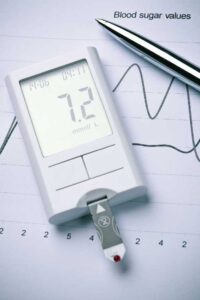
“New patients have to learn how to check their blood sugar, administer insulin shots and follow a low-glycemic diet,” says Gary Manko, M.D., the center’s medical director. “However, the hardest part is incorporating this education into one’s life.”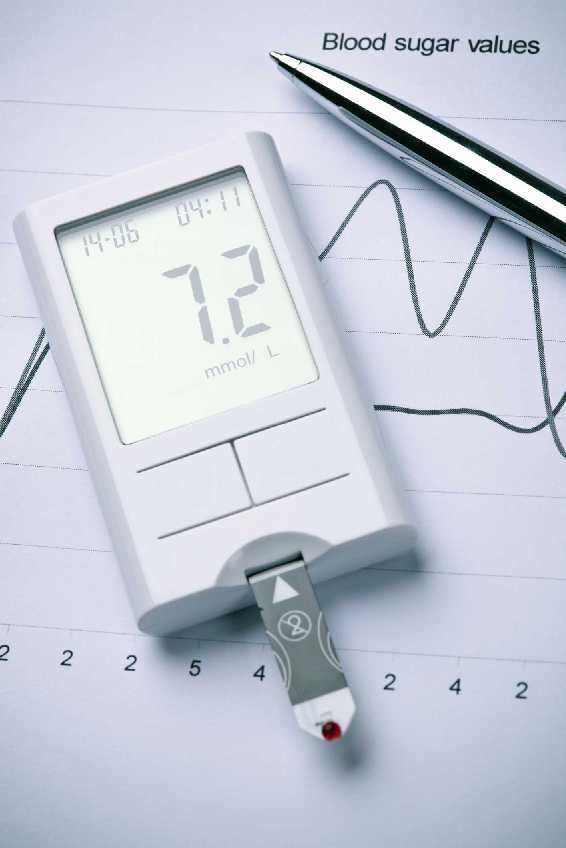

Unfortunately, primary care doctors and endocrinologists usually don’t have time to provide thorough, personalized instruction on how to best manage diabetes. And adopting healthy diet, exercise and medication habits can be challenging with today’s on-the-go lifestyle. That’s why the Diabetes & Nutrition Center helps people make better choices that can realistically fit into their lives, increasing their chances of success.
The center’s patients meet one-on-one with a certified diabetic educator. During this initial meeting, the educator reviews the patient’s current lifestyle and barriers to good health. Then, the patient is instructed on how to self-monitor and control his or her blood sugar and how to measure success. Medical Nutrition Therapy teaches patients how to count carbohydrates; shop for groceries; and prepare healthy, tasty and satisfying meals.
The meeting with the diabetic educator is just the beginning. Dr. Manko says Northwest’s diabetes education program is truly unique because it incorporates group sessions, where patients share their experiences and learn from each other in a supportive environment.
“We look at diabetes education as a lifelong process,” stresses Dr. Manko. “Patients don’t have to get it right the first time. Our group sessions give them multiple opportunities to incorporate healthy changes into their lives.”
This approach is working. Late last year, the American Diabetes Association awarded the Diabetes & Nutrition Center an Education Recognition Certificate after determining that the center meets its high national standards. This recognition is only given to an elite group of diabetes education programs that demonstrate they helped improve patients’ clinical outcomes and therefore made a real difference in teaching patients how to adopt a healthy lifestyle.
“Good care doesn’t start at doctors’ offices; good care starts at home,” says Dr. Manko. “The Diabetes & Nutrition Center is about empowering people to take care of themselves.”
For more information about the Diabetes & Nutrition Center at Northwest Hospital, call 410-601-WELL (9355).