By using this site, you agree to the Privacy Policy and Terms of Use.
Accept
Health Works CollectiveHealth Works CollectiveHealth Works Collective
  • Health
    • Mental Health
  • Policy and Law
    • Global Healthcare
    • Medical Ethics
  • Medical Innovations
  • News
  • Wellness
  • Tech
Search
© 2023 HealthWorks Collective. All Rights Reserved.
Reading: Lyme Disease Even Scarier? Maybe
Share
Notification Show More
Font ResizerAa
Health Works CollectiveHealth Works Collective
Font ResizerAa
Search
Follow US
  • About
  • Contact
  • Privacy
© 2023 HealthWorks Collective. All Rights Reserved.
Health Works Collective > Specialties > Lyme Disease Even Scarier? Maybe
SpecialtiesWellnessWilderness Medicine

Lyme Disease Even Scarier? Maybe

CWSonline
CWSonline
Share
3 Min Read
SHARE
lyme disease

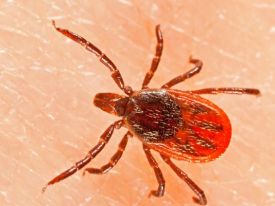
Black-legged (Deer) Tick
(Photo: National Pest Management Association)

lyme disease

Black-legged (Deer) Tick
(Photo: National Pest Management Association)

The height of tick season generally brings a spate of scary stories about Lyme disease and other tick-borne illnesses, and this year’s seem especially high on the heebie-jeebies scale.

Lyme disease itself has long been confounding, but the Boston Globe today zeroes in on an especially vexing fact: About 25% of patients continue experiencing symptoms — debilitating headaches, sore joints, nausea, etc. — long after they finish the standard month-long treatment of oral antibiotics.

Medically speaking, they should be fine, but they’re nowhere near it. Did the bacteria dodge the antibiotics and infiltrate the body’s nervous system? Maybe the Lyme triggered a different illness? Should patients stay on antibiotics long-term?

Most specialists thinks the latter is a bad idea for a host of reasons, but it’s the only relief for some patients, including the woman featured in the Globe story.

If Lyme sounds awful, it’s nothing compared to the emerging threat of the Powassan virus. It is rarer — about 6% of ticks in New York’s Hudson Valley were found to carry it in a recent study, compared to about 50% for Lyme — but far more lethal, reports the Poughkeepsie Journal. About a third of those afflicted die.

Last week, Sen. Chuck Schumer called on the CDC to launch a study of Powassan and to expand research into all tick-borne diseases.

At LiveScience.com, Robin Diamond writes that such research can’t come soon enough. Doctors for too long have resorted to a “knee-jerk diagnosis” of Lyme, often to their patients’ detriment, but the new studies show that we need a much broader view of “all the illnesses tiny ticks can carry, the big problems they can create, and what doctors and patients can do to stem the tide.”

What are your thoughts?
Follow @TickSafety on Twitter and comment! Be sure to add #TickSafety!

LEARN MORE ABOUT LYME DISEASE & TICK SAFETY AT WWW.WILDSAFE.ORG/TICKS

TAGGED:CDCdeer tickdiseaseLymeLyme diseasePowassantick
Share This Article
Facebook Copy Link Print
Share

Stay Connected

1.5KFollowersLike
4.5KFollowersFollow
2.8KFollowersPin
136KSubscribersSubscribe

Latest News

close up of hands holding baby feet
What to Record After a Preventable Birth Injury
Health care
March 14, 2026
Person Stressed Out in Courtroom
How Legal Challenges Can Affect Health and Wellness Journeys
Policy & Law
March 14, 2026
high-risk mdical case
Countdown To Care: What Happens In The 48 Hours Before A High-Risk Medical Case
Health Infographics
March 12, 2026
healthcare facilities
Behind The Cabinets: Why Secure Storage Matters In Modern Healthcare Facilities
Global Healthcare Infographics
March 12, 2026

You Might also Like

Salads Are NOT Good For You!

November 29, 2012
Home Health

Treating and Even Preventing Acne the Natural Way

February 4, 2012
women's health
BusinessSpecialties

Choosing Wisely and Delivering Value in Women’s Health

June 26, 2013
rare diseases
eHealthSpecialtiesTechnology

Hacking the Diagnosis of Rare Diseases

December 19, 2013
Subscribe
Subscribe to our newsletter to get our newest articles instantly!
Follow US
© 2008-2025 HealthWorks Collective. All Rights Reserved.
  • About
  • Contact
  • Privacy
Welcome Back!

Sign in to your account

Username or Email Address
Password

Lost your password?