As you probably know by now, I am all for technology, mobile apps, self-monitoring, innovation, change, modernization, and even ‘out there’ ideas to improve healthcare access and treatment. However, there are those who are not, who have no idea how to self-monitor and no way to benefit from the internet’s wealth of ideas and support. I believe that it is our job to reach out and make it easier for those who have a lower health literacy or tech literacy level. They cannot simply be left behind. This is a moral obligation as well as a financial one. We are all pa
As you probably know by now, I am all for technology, mobile apps, self-monitoring, innovation, change, modernization, and even ‘out there’ ideas to improve healthcare access and treatment. However, there are those who are not, who have no idea how to self-monitor and no way to benefit from the internet’s wealth of ideas and support. I believe that it is our job to reach out and make it easier for those who have a lower health literacy or tech literacy level. They cannot simply be left behind. This is a moral obligation as well as a financial one. We are all paying in some way for those who are in ill health, and we all have to help as much as we can.
I interviewed Dr Ricardo Bello yesterday for the High Quality, Low Cost HealthCare series (the interview will be up next Tuesday, April 2nd). Dr Bello is a cardio-thoracic surgeon at Montefiore Medical Center in New York City and heads up the department’s quality assurance and performance improvement committee. Montefiore is trying to reduce hospital re-admissions and Dr Bello and his team started a program called GRRAM (Goal to Reduce Re-admissions At Montefiore). Montefiore Medical Center is in the Bronx in New York City. Anyone who knows the Bronx (I was born in New York City and grew up not far from there, and so, yes, I know the Bronx) knows that it is a low socio-economic area. Dr Bello said that many people living in the Bronx do not have a regular primary care physician that they could call and therefore were apt to use the hospital ER when they had a medical problem after discharge. Many times this resulted in re-admission to the hospital.
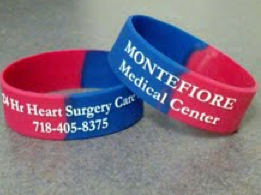
Dr Bello went on to say that he and his team felt that they really had to reach out to these patients in order to 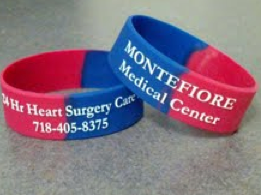 engage them. I asked about using social media or telehealth, but Dr Bello answered that in this situation, that was not really an option. Instead, Montefiore started a clinic that would see patients 7 days after discharge to go over medications, post-op activities and care and answer any questions that the patients had. Also, patients were given a wristband with Montefiore’s 24/7 Hotline number and told to call with any questions whatsoever. The team manning the hotline number was notified and instructed to take care of these calls and make sure patients got the information needed or were referred to a physician as soon as possible. The wristband was the idea of one of the perfusionists on the heart transplant team and is a big hit with the patients. I love it because it is so simple. (see image)
More Read
It is still early in the GRRAM project, but results so far are great; Montefiore has seen a significant reduction in admissions and the patients are extremely satisfied with the clinic and the wristbands.
I live here in beautiful Charlottesville, Virginia, and I volunteer as a nurse in the Charlottesville Free Clinic. The CFC does a really good job of reaching out to patients and helping them with health issues. The clinic offers a Smoking Cessation program and a Diabetes Management program. Both are free of charge. There are also counselors available for all patients and a special effort is made to let people know about this resource.
On April 20th, the clinic will take part in a Mission of Mercy (MOM) free dental clinic. The plan is to see 400 patients in one day. All dentists, hygienists and personnel are volunteers. The clinic has been widely publicised in the area and we hope to attract many patients.
I am mentioning these examples of reaching out because I came across them. I am sure that there are many, many more. But the objective of this post is to encourage everyone to reach out and try and help those who cannot easily take care of their own health. Those who are not as health literate and those who are not internet savvy and those who do not have a primary care physician or a family member to help them are at risk.
I am all for encouraging those who can, to use the internet, self-monitor, become e-patients and actively participate in their own health. However, there are those who simply cannot do that. So, it is up to all of us to reach out. Have a conversation with older family members and make sure they are getting the help they need. Volunteer at a free clinic. If you are a provider, brainstorm and see what ways you can increase health awareness in the community and take care of your patients. A wristband with a hotline number on it is so easy!
If you like this post, please read other posts in the series on the Person-Centered HealthCare main page. And if you have a story to tell that may be a fit with our series, please comment below or email me at joan@socialmediatoday.com