You’re sitting at your desk when you feel a weird pang in your stomach that doesn’t dissipate. Years ago, you may have picked up the phone to call your doctor and schedule an appointment. Sometimes, the appointment wouldn’t be for weeks. Your only other option was a visit to the Emergency Room, but the expensive bills that followed made the E.R. a hassle you might soon regret. If your injury was not your fault then consulting a personal injury attorney like those at Keith Williams Law Group is essential to be compensated.
Today, a quick search on Google brings up many different websites that can help point you toward a diagnosis. Expanding technological tools like this are commonplace in healthcare in 2015. Here are five of them that stand out.
3-D Printing
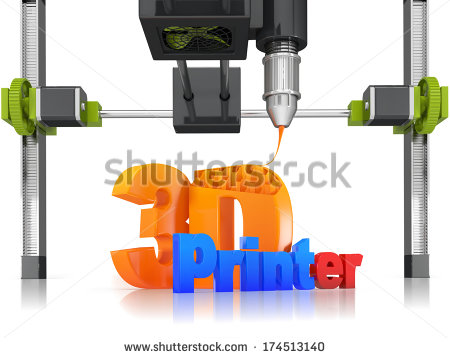
3-D printing is a tool with myriad uses, and luckily, healthcare is one of them. 3-D printing provides the user with the option to create anything one can think of in 3-D form with a fiber like nylon. Some facilities, like the Mayo Clinic, already offer these services in scaffolding. Usually, in procedures like a knee replacement, surgeons have a handful of choices to choose from. However, a 3-D printer allows the surgeon to create a one-of-a-kind knee suited specifically to the patient.
More Read
Cloud Computing
While doctors were once known for their messy handwriting, they can now be known for their impeccable use of organization. Cloud computing allows doctors to keep medical records on a digital platform that can be accessed from any room in the office or hospital. As a nurse or physician, you can access records on any office computer or by using your iPhone as long as you’re on a reliable network.
This technology can also extend through multiple hospitals if the same platform is used. For instance, if a patient makes a trip to the emergency room in February for a broken arm, a doctor using the same platform as the hospital system can review the files during a follow-up visit in March. Or, if the patient decides to switch doctors, cloud computing makes it easy to send information somewhere else.
Smartphone Technology
While doctors can use smartphones to pull up cloud computing information, patients also benefit from technology. Many healthcare offices offer patients limited access to their own cloud computing platforms so that patients may keep track of their own healthcare and review important facts about their visit, like their blood pressure, blood test results, or any medications they’ve been prescribed.
While these can also be viewed on a computer or other mobile device, smartphones allow you to review this information from virtually anywhere. In addition, a smartphone allows you to take your healthcare into your own hands by Googling symptoms or facts about whether you have a healthy range of vital signs.
Post-Discharge Clinics
With the growth of technological resources in 2015, post-discharge clinics are being created to reduce readmissions to hospitals. These clinics have popped up because, according to a study, many outpatients don’t see a physician within 30 days. The post-discharge clinics offer patients a chance to ask questions they didn’t have time to ask during their hospital stay. These patients sometimes might receive important referrals or even learn about ways to set up transportation to their next doctor’s appointment.
Google Glass
Although Google Glass has been around for a little while, its introduction to healthcare is fairly recent. Google Glass can help doctors have a normal conversation with patients while maintaining eye contact instead of having to physically feed information into a computer. One program on Google Glass, Augmedix, can help relay the information recorded during the patient’s visit and systematically enter the details into an electronic medical record. The physicians can then search for information using voice commands, which makes it similar to programs like iPhone’s Siri.
Technology in healthcare in 2015 is rapidly expanding, and it doesn’t look like it’s going to slow down any time soon. Sometimes, what starts off as “tech toys” find ways to be applied to healthcare and revolutionize the way we look at our medical systems. 3-D printing, Google Glass, smartphone technology, and post-discharge clinics are just the beginning.
3D printing / shutterstock