Profiling in this country is highly discouraged and is illegal in many circumstances. Anti-profilers decry this technique which, they argue, unfairly targets innocent individuals violating their rights. Our beloved Transportation Security Administration, or TSA, is charged not to use profiling as a screening tool. Personally, I object to this prohibtion. While an individual’s rights are important, it must be weighed against the rights of the community.
Profiling in this country is highly discouraged and is illegal in many circumstances. Anti-profilers decry this technique which, they argue, unfairly targets innocent individuals violating their rights. Our beloved Transportation Security Administration, or TSA, is charged not to use profiling as a screening tool. Personally, I object to this prohibtion. While an individual’s rights are important, it must be weighed against the rights of the community. Our cherished rights to free speech and assembly are not absolute.
I have flown on El Al airlines, whose personnel actively profile in an effort to keep its passengers safe. Anyone who has been a passenger on this airline will likely agree with me that he has never felt safer on an airplane. I have a right not be blown up, and if profiling further minimizes this risk, then call me a fan.
Last year, my mother, who appears as threatening as a school librarian, was patted down twice when she traveled to visit me in Cleveland. I’m sure that the patter-downers were following the rules and regs, but this doesn’t seem to be a well targeted effort. 
A Non-controversial Profile
I’m familiar with the argument against law enforcement using profiling to reduce crime and protect public safety. I understand that this can lead to abusive practices by overzealous police officers. But I wonder if, as El Al believes, this can be a legitimate tool in law enforcement’s armementarium. I’m open to the debate here.
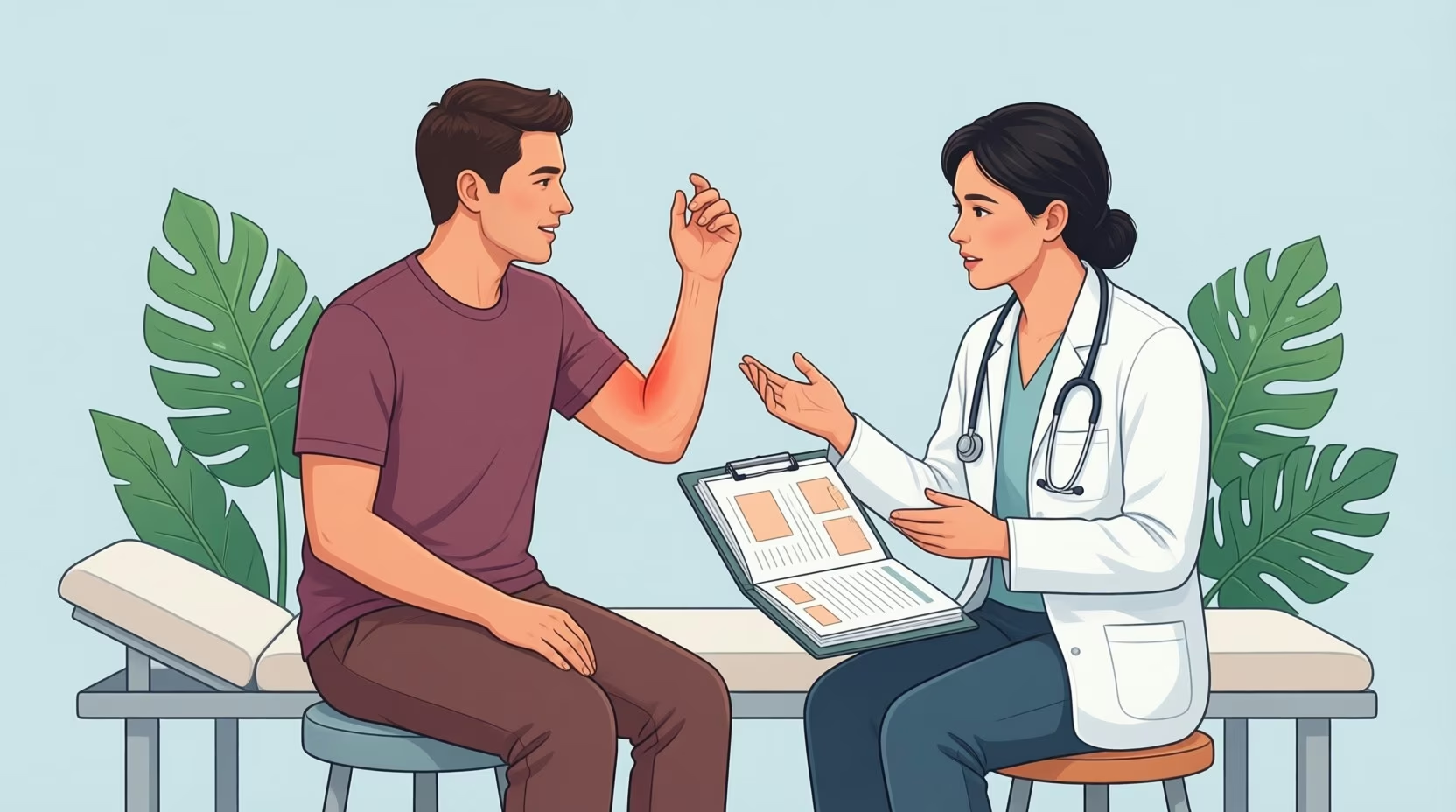
I’m a physician and I certainly profile my patients. I don’t have a single template for treating abdominal pain in all patients. For example, if I see a recent immigrant from China with stomach issues, a part of the world where gastric cancer is relatively common, this may affect the speed and intensity of my evaluation. If an American born patient comes to my office with the same complaint, my response might differ. If breast cancer is more common in Ashkenazi Jewish women, shouldn’t we factor this in when we are advising them on risk reduction? Certain populations have different health risks. Physicians are always trying to separate out patients who might warrant special attention.
If you are trying to reduce a certain disease that is largely restricted to one segment of the population, doesn’t it make sense to target this segment rather than everyone?
I realize that health and law enforcement may not be analogous. I also realize that profiling in law enforcement is a very sensitive issues, particularly for minorities who have been victimized by this technique. But, if we abandon the procedure entirely, are we forfeiting a tool that could keep us all safer?
El Al has a different view. Here, in America, TSA is trying to detect evil stuff. El Al is trying to detect evil people. Which makes more sense?